Terrace Waterproofing Methods That Actually Hold Up
That damp patch on your ceiling that shows up every monsoon like clockwork — has it become an annual tradition at this…
That damp patch on your ceiling that shows up every monsoon like clockwork — has it become an annual tradition at this point? A lot of homeowners deal with this exact cycle because whatever terrace waterproofing methods were used originally either weren’t done properly or have simply worn out over the years.
I redid my own terrace waterproofing two years back after ignoring ceiling stains for one monsoon too many. What I learned is that not all methods work equally well for every situation, and a lot of contractors push whatever’s most profitable for them rather than what actually suits your terrace. Here’s an honest breakdown of what’s out there in 2026.
Why Terrace Waterproofing Fails in the First Place
Quick answer: Terrace waterproofing typically fails due to poor surface preparation before application, using low-quality materials, ignoring drainage slope issues, or simply letting the coating age past its effective lifespan without reapplication.
Most waterproofing jobs don’t fail because the method itself was wrong. They fail because of rushed application or skipped prep work. Cracks not sealed properly before coating, or a contractor skimping on material thickness to save cost, cause more leaks than the choice of waterproofing type ever does.
Cementitious Waterproofing: The Budget-Friendly Default
This is probably the most commonly used method across Indian homes, mostly because it’s affordable and most local contractors know how to apply it correctly.
Quick answer: Cementitious waterproofing involves applying a cement-based coating mixed with waterproofing compounds directly onto the terrace surface, offering decent protection at a relatively low cost, typically ₹35-60 per square foot including labor.
- Cost: ₹35-60 per sq ft
- Lifespan: 5-8 years typically, less if application quality was poor
- Best for: budget-conscious homeowners, standard residential terraces without heavy foot traffic
I’ve noticed this method works fine for most homes but doesn’t handle extreme temperature fluctuations as well as some newer alternatives. It can develop hairline cracks over time, especially in areas with big day-night temperature swings.
Polyurethane (PU) Coating: A Step Up in Durability
PU-based waterproofing has gained popularity over the last several years, especially for terraces that see more foot traffic or exposure to harsh sun.
Quick answer: Polyurethane waterproofing forms a flexible, seamless membrane that resists cracking better than cementitious coatings, handles UV exposure well, and typically lasts 10-15 years, though it costs more upfront at ₹80-150 per square foot.
Its flexibility is the real advantage here. Concrete terraces expand and contract with temperature changes, and PU coating moves with the surface instead of cracking like more rigid cement-based options can.
APP/SBS Membrane Waterproofing: Reliable for Larger Terraces
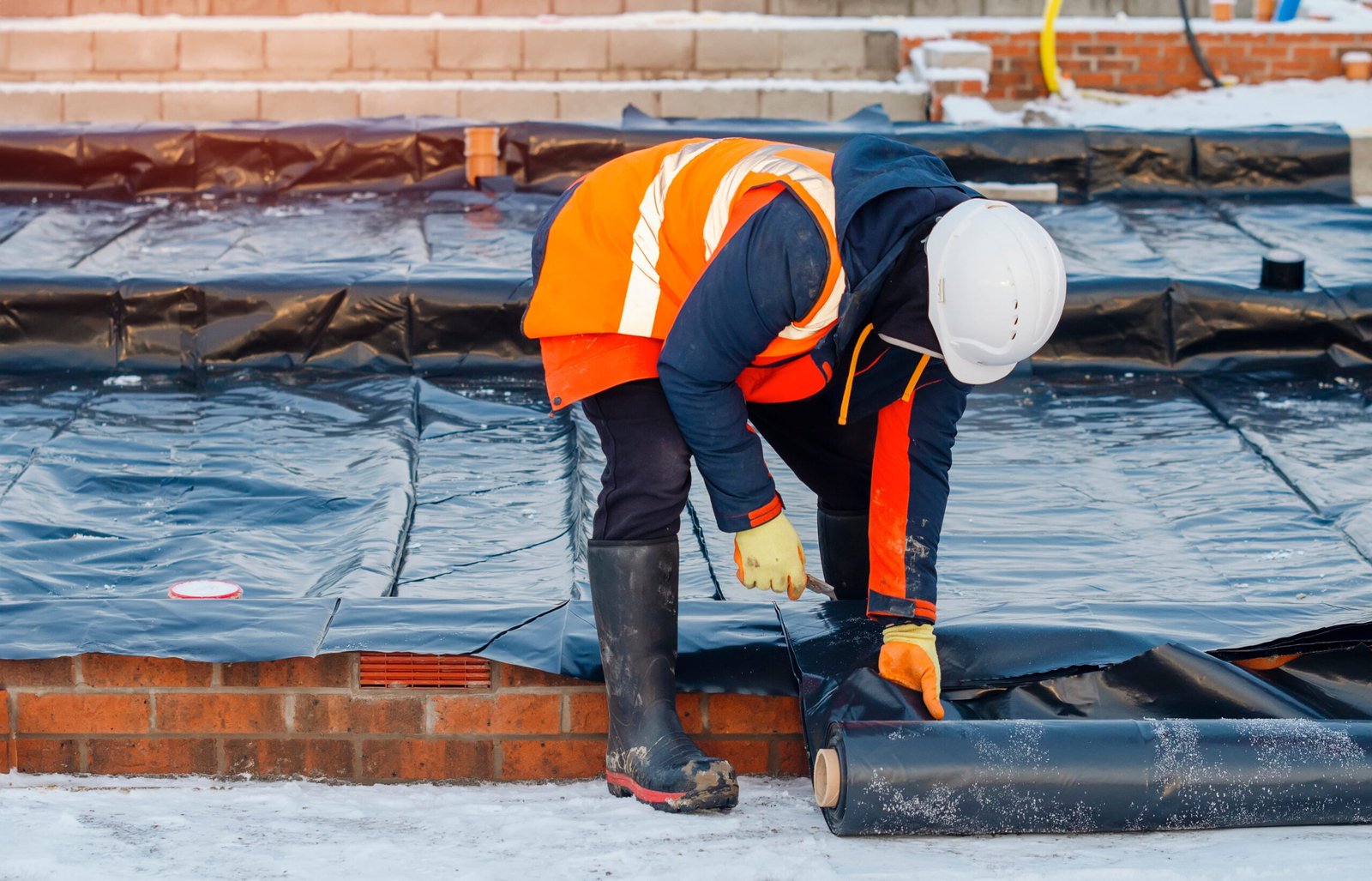
Bituminous membrane waterproofing, using APP (Atactic Polypropylene) or SBS (Styrene Butadiene Styrene) modified membranes, works well for larger commercial or residential terraces needing serious long-term protection.
- Membrane sheets are torch-applied or self-adhesive, bonding directly to the terrace surface
- Provides excellent waterproofing continuity with minimal seams
- Cost typically runs ₹70-120 per sq ft depending on membrane thickness and quality
- Lifespan of 12-20 years with proper installation and maintenance
Picture a small business owner in Jaipur with a rooftop guesthouse space who opted for SBS membrane waterproofing specifically because the terrace saw regular guest foot traffic. Three years in, no leaks despite two heavy monsoon seasons, which says something about durability under real use conditions.
Liquid Applied Membrane: Good for Complex Terrace Shapes
For terraces with irregular shapes, pipes, or multiple protrusions, liquid applied waterproofing membranes work particularly well since they flow into corners and around obstacles that sheet membranes struggle to cover seamlessly.
Costs run similar to PU coating, roughly ₹80-140 per sq ft, and application requires a skilled contractor familiar with proper curing time between coats. Rushing this step is where a lot of DIY attempts and even some professional jobs go wrong.
China Mosaic Waterproofing: Traditional but Still Relevant
This older method involves embedding small ceramic or mosaic tile chips into a waterproofing compound, creating both a protective layer and a decorative, walkable surface.
Quick answer: China mosaic waterproofing combines a cement-based waterproof layer with embedded tile chips, offering good durability for terraces used as walkable or seating spaces, though it requires more skilled labor and costs somewhat more than plain cementitious coating.
I’m honestly a bit torn on this one. It looks great and lasts reasonably well, roughly 8-12 years, but finding contractors who do it properly has gotten harder as newer methods dominate the market.
How to Choose the Right Method for Your Terrace
Base your decision on actual usage and budget rather than whatever a contractor pushes hardest. High foot traffic terraces benefit from PU coating or membrane systems. Budget-conscious homeowners with standard terraces do fine with cementitious waterproofing, provided it’s applied correctly and reapplied on schedule. [link to related guide on yearly home maintenance schedules here]
Always insist on proper surface cleaning and crack repair before any waterproofing method gets applied, regardless of which one you choose. [link to related guide on pre-monsoon home maintenance checks here]
FAQ: Terrace Waterproofing Methods
Q: Which terrace waterproofing method lasts the longest? APP/SBS membrane systems generally offer the longest lifespan, often 12-20 years, though PU coating comes close at 10-15 years with proper application.
Q: How much does terrace waterproofing typically cost in India? Costs range from ₹35 per sq ft for basic cementitious coating to ₹150 per sq ft for premium PU or liquid membrane systems, depending on terrace size and condition.
Q: How often should terrace waterproofing be redone? Every 5-8 years for cementitious coating, and 10-15 years for PU or membrane systems, though visible cracks or leaks warrant earlier reapplication regardless of expected lifespan.
Q: Can I waterproof my terrace myself without a contractor? Basic cementitious coating is possible as a DIY project, though membrane and PU systems generally need professional application for proper results.
Q: What’s the best time of year to waterproof a terrace? Late summer, before monsoon arrives, gives the coating adequate time to cure properly before facing heavy rain exposure.
Q: Does waterproofing also help with terrace heat insulation? Some methods, particularly PU coatings and certain reflective membrane systems, offer a secondary benefit of reducing heat transfer into the room below.
Wrapping Up
Choosing among terrace waterproofing methods really comes down to your budget, how much foot traffic the terrace sees, and how long you want the solution to last. Cementitious coating works fine for basic needs, while PU or membrane systems make sense for terraces needing serious long-term durability.
Get quotes from at least two contractors before committing, and ask specifically about surface preparation, not just the final coating material. The prep work matters just as much as which method you ultimately choose.