Choosing the Right Water Filtration Approach for Cleaner, Better-Tasting Water
Water has a funny way of becoming noticeable only when something changes. A glass that tastes slightly metallic. A shower that leaves a faint smell behind.…
Water has a funny way of becoming noticeable only when something changes. A glass that tastes slightly metallic. A shower that leaves a faint smell behind. Stains around the sink that weren’t there a few months ago. None of these things necessarily means there’s a serious problem, but they can make you wonder what is actually coming through the pipes.
The answer isn’t always a bigger filter or a more expensive system. Different homes have different water sources, plumbing, and quality concerns. City water may bring chlorine or sediment concerns, while a private well can introduce a completely different set of challenges. The smartest approach is to understand the water first and then choose treatment based on what the household really needs.
Start With a Water Test
Before choosing equipment, it helps to know what you’re dealing with. Water testing can reveal characteristics that aren’t obvious from taste or appearance alone.
Depending on the source, testing may look at hardness, iron, manganese, pH, sediment, dissolved minerals, bacteria, chlorine and other potential concerns. A professional test can be particularly useful when several symptoms appear at once. For example, rusty-looking stains and an unpleasant taste may point toward different issues than cloudy water or heavy mineral scale.
This is an important distinction because treatment systems are designed for specific purposes. A filter that’s excellent at reducing sediment won’t necessarily address dissolved minerals, and a softener isn’t intended to solve every water-quality concern.
Testing first means less guesswork later.
When Reverse Osmosis Makes Sense
For drinking and cooking water, homeowners often want an additional layer of treatment beyond what is provided by the main household system. An under-sink reverse osmosis unit can be a practical option in these situations.
RO drinking water systems use a semipermeable membrane to reduce many dissolved substances from water. The result can be water that tastes cleaner and feels more pleasant for drinking, cooking, making coffee and preparing food.
There’s something satisfying about filling a glass straight from the kitchen tap and knowing the water has gone through a treatment process designed around your needs. Still, reverse osmosis isn’t necessarily required in every home. The right decision depends on the results of water testing and what you want the system to accomplish.
It’s also worth considering maintenance. RO systems typically have several filters and components that need periodic replacement. A system that isn’t maintained properly may not perform as expected.
Whole-House Filtration Has a Different Purpose
Sometimes the concern isn’t limited to drinking water. If you notice unpleasant odors while showering, sediment in multiple fixtures, or water-quality issues throughout the house, treating only the kitchen tap may not be enough.
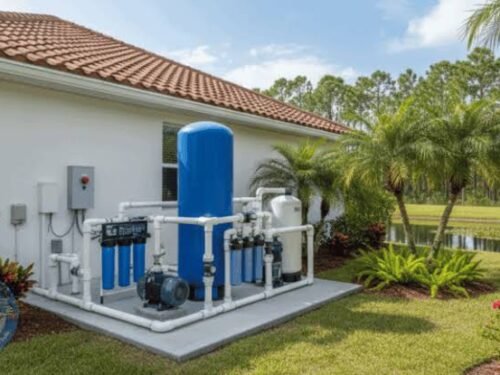
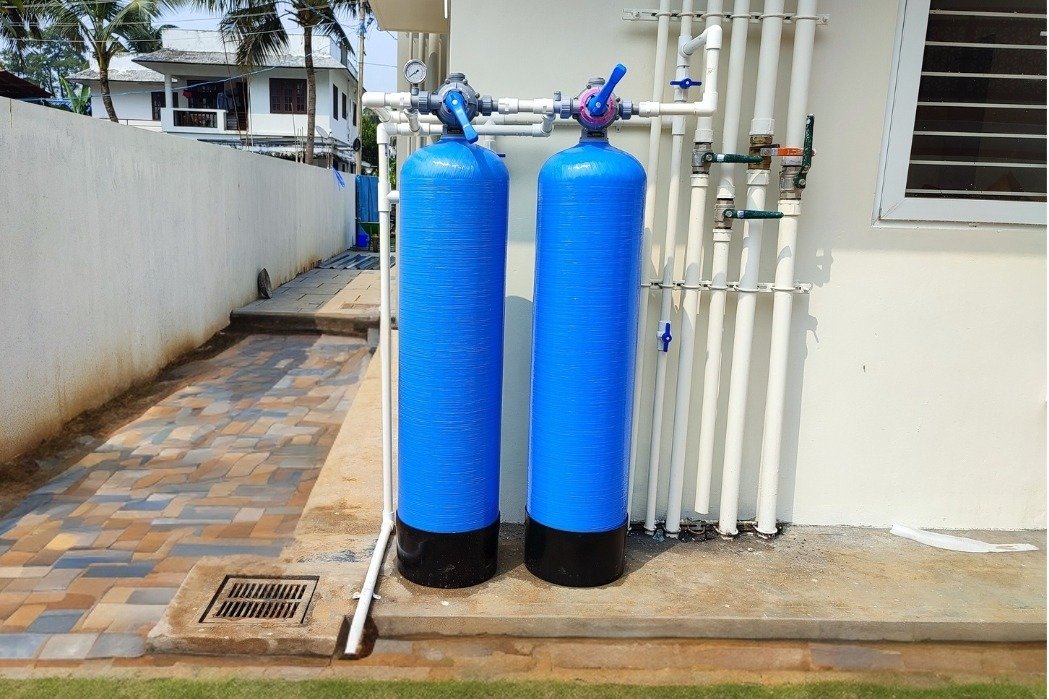
That’s where whole-home filtration can be useful. These systems are installed at the home’s main water entry point, allowing treated water to reach showers, sinks, washing machines and other fixtures.
The biggest advantage is convenience. Instead of thinking about individual faucets or installing several small filters, the household has one central treatment setup.
However, whole-house filtration isn’t one specific type of equipment. Different systems use different media and technologies depending on what needs to be removed or reduced. A good installation should be based on the water analysis rather than a generic package.
Well Water Deserves Extra Attention
Private wells can provide excellent water, but they also come with responsibilities that municipal water users may not have. Because the water source is on the property, homeowners need to pay closer attention to changes in quality.
Well water can contain naturally occurring minerals, iron, manganese, sediment or other substances depending on the local geology. Microbiological concerns can also arise, particularly when a well isn’t properly constructed, maintained or protected from contamination.
For households relying on private wells, well water treatment should be approached as an ongoing water-management issue rather than a one-time purchase.
Testing at appropriate intervals can help identify changes early. If the water suddenly develops an odor, changes color, or produces unusual staining, that’s a good reason to investigate rather than simply masking the symptom with a filter.
Not Every Problem Needs the Same Filter
This sounds obvious, but it’s surprisingly easy to forget when shopping for water equipment.
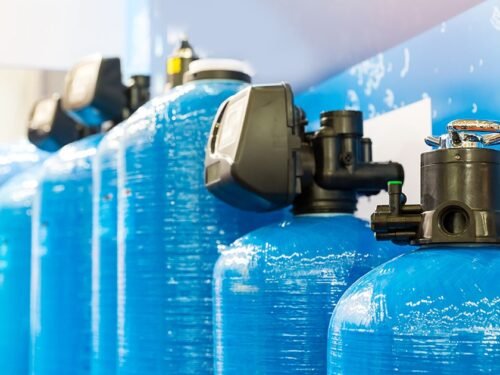
Sediment filters are designed to capture particles. Carbon filtration can improve taste and odor and reduce certain substances. Water softeners address hardness minerals. Specialized treatment may be required for iron, sulfur odors or other specific concerns.
Then there are systems that combine technologies. A home might use sediment filtration followed by carbon treatment, while another property could need a softener and a separate drinking-water system.
The goal isn’t to create the most complicated setup possible. It’s to create the simplest system that effectively addresses the actual water-quality issues.
That distinction can save money, reduce maintenance and make the whole experience less frustrating.
Consider What Happens After Installation
A water-treatment system is not a piece of equipment you install and forget about forever. Filters need changing. Components need inspection. Some systems require cleaning or sanitation, and performance can change as equipment ages.
Ask about maintenance before purchasing anything. How often are filters replaced? What does routine service cost? Are replacement parts readily available? What happens if the system stops working?
These questions may seem boring when you’re standing in a showroom or talking with an installer, but they’re much more interesting than discovering the answers six months later when something goes wrong.
A reliable provider should explain these details clearly, without making you feel like you’re asking too many questions.
Pay Attention to Your Household’s Actual Needs
A family of five with several bathrooms may have very different requirements from a couple living in a small apartment. Water consumption, plumbing layout, source water and lifestyle all matter.
Someone who drinks a lot of filtered water may prioritize a high-quality drinking system. A homeowner with hard water throughout the property may care more about protecting appliances and reducing scale. A rural property supplied by a private well could need a more comprehensive treatment strategy.
Budget matters, too, but it shouldn’t be the only deciding factor. Think about the cost of ownership rather than just the initial price tag.
A cheaper system that requires frequent replacement parts or constant attention may not be a bargain in the long run.
Better Water Starts With Better Information
There is no universal water-treatment system that magically fits every home. And honestly, that’s probably a good thing. Water quality is too individual for a one-size-fits-all answer.
The better approach is fairly straightforward: test the water, identify the specific concerns, understand the available technologies and choose equipment that matches both the problem and the household.
Whether you’re considering drinking-water filtration, central treatment or a system designed specifically for a private well, informed decisions usually lead to better results.
Clean, pleasant water isn’t about owning the most impressive equipment. It’s about having the right equipment doing the right job, and keeping it properly maintained. Once you look at it that way, choosing a water-treatment system becomes much less confusing — and a lot more practical.