What Changes When You Finally Tackle Hard Water at Home
Hard water is one of those household problems that tends to sneak up on you. You shower every morning, wash dishes every…
Hard water is one of those household problems that tends to sneak up on you. You shower every morning, wash dishes every evening, and run the washing machine without giving the water much thought. Then one day you notice the cloudy marks around the faucet. The shower glass looks permanently dirty. Your favorite shirt doesn’t feel quite as soft as it used to.
None of this means your home is unhealthy or poorly maintained. Hard water is common in many areas, and the minerals responsible for it can quietly affect everyday routines. The interesting part is that once hardness is addressed, the difference can show up in places you weren’t expecting.
The Little Signs of Hard Water
Hard water generally contains higher levels of naturally occurring minerals, particularly calcium and magnesium. These minerals aren’t inherently bad. In fact, calcium and magnesium are nutrients the body needs. The trouble comes from how they behave when they travel through household plumbing and interact with soap, heat, and surfaces.
One of the first clues is scale. You might see white deposits around taps, showerheads, or the edges of a sink. Inside appliances, those deposits can build up where you can’t see them at all.
Soap can also behave differently in hard water. Instead of producing a rich lather quickly, it may leave behind residue. That residue doesn’t just disappear down the drain; some of it can remain on skin, hair, shower walls, and clothing.
Why Your Skin May Feel Different
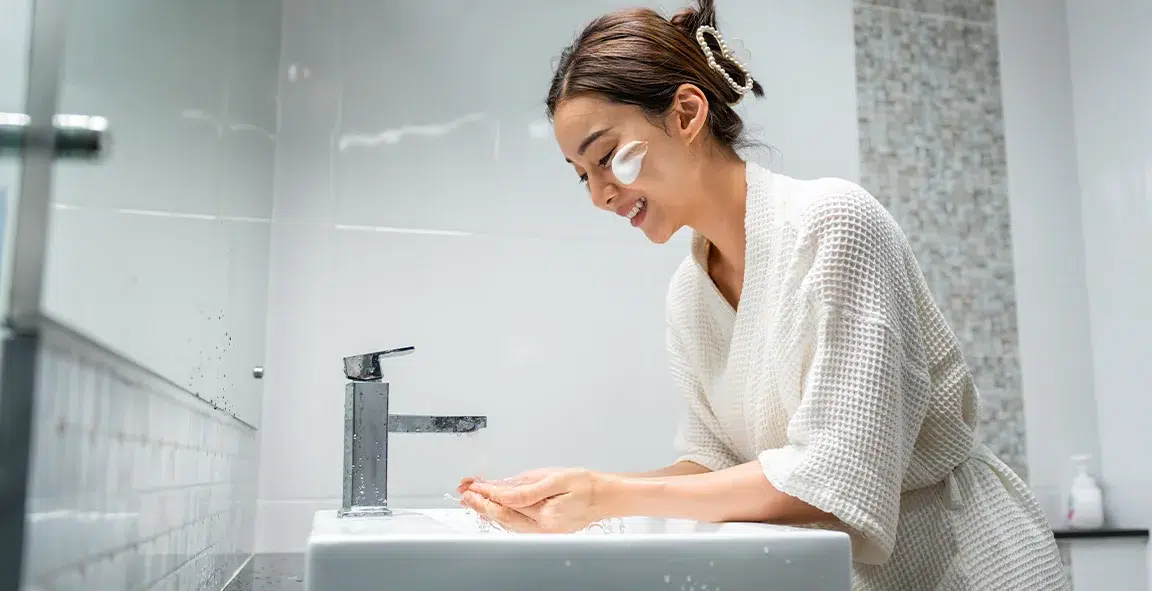
Ever step out of a shower and feel like there’s still something on your skin? Hard water could be part of the reason.
When soap reacts with hardness minerals, it can form deposits that are harder to rinse away. For some people, that may leave the skin feeling dry, tight, or coated. The experience varies from person to person, of course, and skin care products and water temperature matter too.
Reducing hardness may make bathing feel more comfortable. Some homeowners notice softer skin after switching to appropriately treated water because there can be less mineral and soap residue left behind. It’s not a miracle skin treatment, but for someone who has been battling that dry, squeaky feeling every day, the difference can be surprisingly noticeable.
Your Laundry May Tell a Similar Story
Hard water doesn’t stop at the bathroom. It follows you into the laundry room.
Soap and detergent can struggle to work efficiently in mineral-rich water. Clothes may come out feeling stiff rather than fresh, and towels can lose some of that fluffy quality we all secretly appreciate.
You may also find yourself using more detergent to get the result you want. Over time, that can become an unnecessary expense.
Treating hardness can help detergents perform more effectively, although the ideal detergent amount still depends on the machine, fabric, water conditions, and manufacturer’s recommendations. Sometimes a small change in water quality makes the whole laundry routine feel less like a chore.
Appliances Have a Quiet Story to Tell
Some of the most important effects of hard water happen where you can’t see them.
Water heaters, dishwashers, washing machines, coffee makers, and other equipment regularly exposed to mineral-rich water can accumulate scale. Heat can make mineral deposits more noticeable, particularly inside water-heating equipment.
That buildup may reduce efficiency or increase maintenance needs over time. It doesn’t mean hard water will automatically destroy an appliance, but it does give homeowners another reason to pay attention.
The goal isn’t simply having sparkling faucets. Protecting household equipment can also mean fewer headaches down the road. That’s where cleaner appliances become more than a cosmetic benefit. Less scale and residue can make cleaning easier and may help equipment operate under better conditions.
The Difference Between Filtering and Softening
A common source of confusion is the assumption that every water filter solves hard water.
It doesn’t.
Many filtration systems are designed to target specific substances, such as sediment, chlorine, or certain contaminants. Hardness, meanwhile, is primarily related to dissolved calcium and magnesium.
Traditional water softening systems are specifically designed to reduce hardness minerals, commonly through ion exchange. In this process, calcium and magnesium ions are exchanged for other ions, typically sodium or potassium, depending on the system and setup.
There are also conditioning technologies that approach hardness differently. These don’t necessarily remove the minerals in the same way. Understanding that distinction is important because homeowners should know exactly what their equipment is intended to accomplish.
Don’t Choose a System Based on Size Alone
Bigger isn’t automatically better when it comes to water treatment.
A system needs to match the household’s water use, incoming water quality, plumbing configuration, and treatment goals. A unit that’s too small may struggle to keep up with demand. One that’s unnecessarily large can add cost without providing a meaningful benefit.
Water testing can help establish the starting point. Hardness is usually measured in terms such as grains per gallon or milligrams per liter, and that information can help determine an appropriate treatment approach.
Household size matters, too. A couple living in a small home has very different water demands from a family with several bathrooms and teenagers who seem to shower forever.
Maintenance Still Matters
Installing a treatment system doesn’t mean you can forget about it.
Depending on the technology, maintenance might include checking salt levels, cleaning components, replacing filters, inspecting valves, or scheduling periodic service. Following the manufacturer’s maintenance recommendations helps keep performance consistent.
It’s also smart to watch for changes. If scale suddenly returns, water pressure changes, or the system seems to be regenerating differently, don’t simply ignore it. A small issue can sometimes be corrected before it becomes an expensive repair.
Is Treating Hard Water Worth It?
For many homeowners, the answer comes down to what bothers them most.
If you’re constantly scrubbing mineral deposits, replacing fixtures, dealing with stiff laundry, or worrying about scale inside appliances, treating hardness can make daily life easier. The benefits aren’t always dramatic in a movie-style before-and-after sense. They’re often quieter.
The shower feels nicer. Towels rinse more easily. Glass doesn’t look dirty five minutes after cleaning it. The dishwasher doesn’t seem to leave the same film. You stop thinking about the water quite so much — which, oddly enough, may be the best sign that the treatment is doing its job.
A More Comfortable Home, One Glass of Water at a Time
Hard water isn’t necessarily a disaster, and it isn’t something every household must treat. But if mineral buildup and soap-related problems are becoming a regular nuisance, it’s worth finding out exactly what you’re dealing with.
Start with testing rather than assumptions. Learn how hard your water actually is. Consider your household’s usage and decide which improvements matter most to you.
Good water treatment is rarely about chasing perfection. It’s about making sensible changes that fit your home. Sometimes, solving a small water problem can make dozens of ordinary moments — washing your hands, taking a shower, doing laundry, cleaning dishes — just a little better. And honestly, those small improvements add up.