When Your Home’s Water Needs More Than a Basic Filter
You usually notice a water problem in small ways. The glass of water tastes slightly different. There’s a white crust around the…
You usually notice a water problem in small ways. The glass of water tastes slightly different. There’s a white crust around the kitchen faucet. Your soap doesn’t seem to rinse cleanly, or the shower door somehow looks cloudy again after you just cleaned it. If you rely on a private well, you may notice an occasional change in color, odor, or even the way water behaves after heavy rain.
These signs don’t automatically mean your water is unsafe. They do mean it may be worth paying attention.
Water quality can be surprisingly complicated because different problems require different solutions. A simple carbon filter may help with taste and odor, while another home might need treatment for hardness, sediment, iron, or other water-quality concerns. The best approach is rarely about buying the biggest system. It starts with understanding what you’re actually dealing with.
Look at the Water Before Choosing the Equipment
One of the easiest mistakes homeowners make is shopping for equipment before testing their water. It’s understandable. You see a system promising cleaner, better-tasting water and think, “That sounds like what I need.”
But water treatment isn’t one-size-fits-all.
A proper water test can provide useful information about hardness, pH, minerals, sediment, and other characteristics. For private wells, testing is particularly important because the quality of groundwater can vary with local geology, seasonal conditions, and changes around the property.
Once you know the problem, choosing a treatment method becomes much more straightforward. Instead of guessing, you’re working from actual information.
Whole-Home Treatment Can Address More Than Drinking Water
When the issue affects water throughout the house, a kitchen faucet filter may not be enough. Think about every place water is used: showers, washing machines, bathroom sinks, dishwashers, outdoor taps, and water heaters.
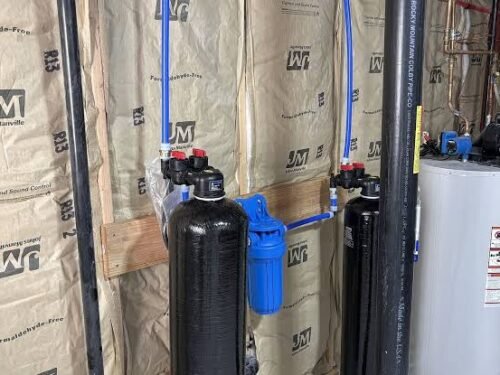
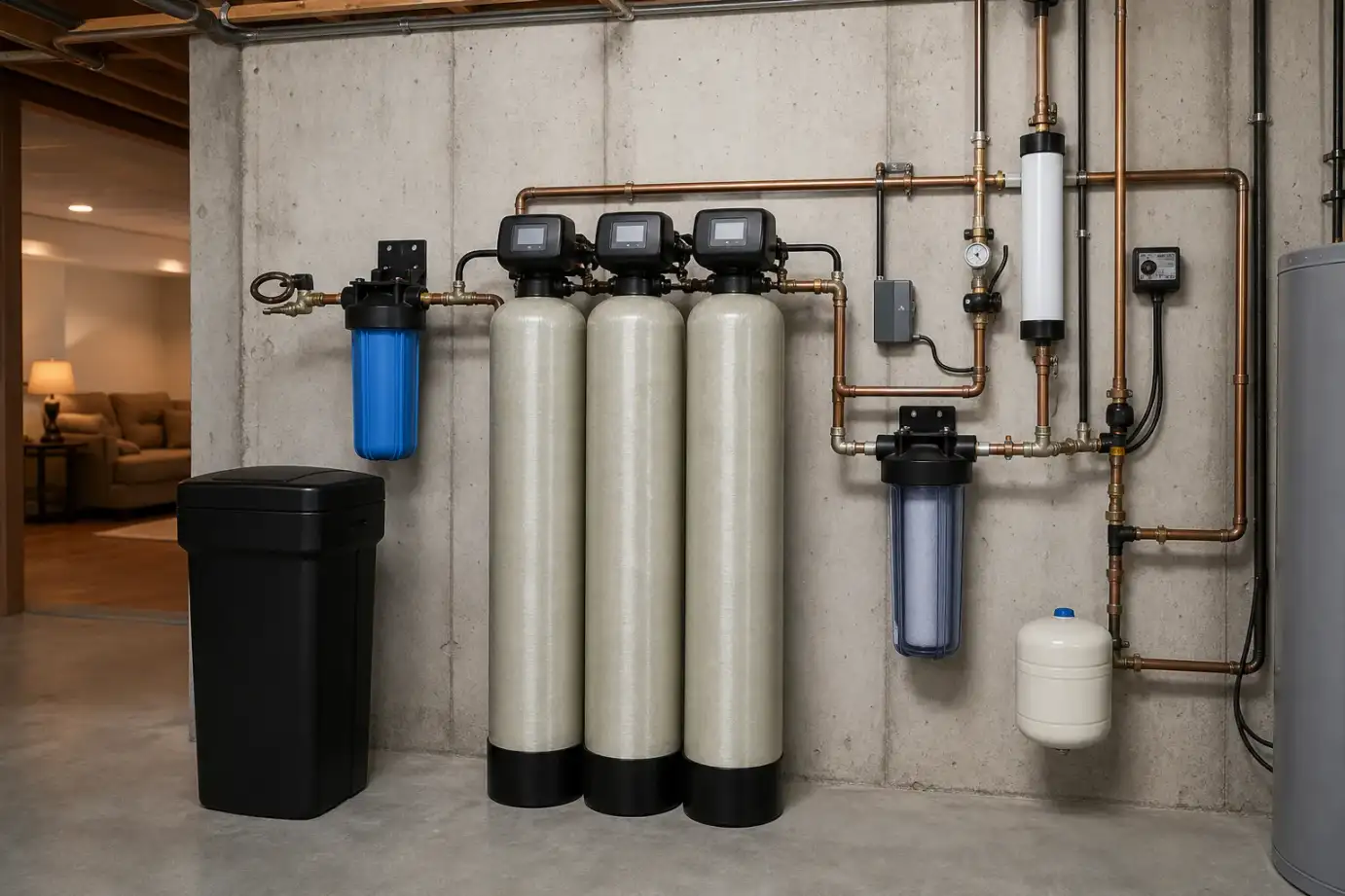
A properly selected whole-home filtration system can treat water as it enters the property, allowing cleaner, treated water to flow through the plumbing. Depending on the equipment, whole-home filtration may help reduce sediment, chlorine, unpleasant odors, or certain other contaminants.
There’s also a practical benefit that often gets overlooked. If the water quality issue exists at every tap, treating only one faucet means the rest of the plumbing continues to receive the same untreated water. Whole-home treatment takes a broader approach.
Of course, the system still needs to match the water conditions. A filter designed for sediment isn’t going to magically solve every dissolved contaminant problem.
Well Water Has Its Own Personality
People who use municipal water often have a fairly consistent source. Well owners don’t always have that luxury.
Groundwater passes through layers of soil and rock before reaching a private well, and those natural conditions can influence what’s present in the water. Iron and manganese may cause staining. Hardness can contribute to scale. Sulfur-related compounds may create an unpleasant “rotten egg” smell. Sediment can also become an issue.
This is where well water treatment becomes less about convenience and more about customization. The treatment system should be based on the characteristics of the particular well rather than a generic package marketed to every homeowner.
Testing is especially valuable because some well-water issues aren’t visible. Clear water can still contain substances that you wouldn’t want to ignore, which is why routine testing is an important part of responsible private-well ownership.
When Ordinary Filtration Isn’t Enough
Some water problems are stubborn. You may have tried a basic filter and noticed some improvement, but the underlying issue keeps coming back.
Perhaps there’s persistent iron staining. Maybe the water has a strong odor, unusual color, or a combination of problems that don’t fit neatly into one treatment category. In situations like these, problem water / specialty filtration may be worth considering.
Specialty systems are designed around particular water-quality challenges. Depending on the situation, treatment might involve oxidation, specialized media, carbon filtration, sediment removal, or other technologies.
The key point is that “specialty” shouldn’t mean unnecessarily complicated. A good treatment professional should be able to explain what the equipment does, why it’s needed, and what kind of maintenance it will require.
If the explanation sounds like a science experiment nobody can understand, ask questions. You have every right to know what you’re putting into your home.
Hard Water Can Affect Everyday Life
Hard water is another common complaint, particularly in areas where groundwater contains higher levels of calcium and magnesium.
The signs can be familiar: mineral spots on glasses, scale around fixtures, stiff-feeling laundry, or reduced efficiency in water-using appliances. Over time, scale can build up inside plumbing and equipment.
A water softener may help by reducing the minerals responsible for hardness. But again, testing should come first. Hardness levels differ from one location to another, and the right equipment depends partly on household water consumption.
It’s also worth remembering that a softener and a drinking-water filter aren’t necessarily doing the same job. One addresses hardness; another may focus on taste or specific contaminants. Sometimes homeowners need one, sometimes both.
Maintenance Is Easy to Forget
Even the best water treatment system needs attention.
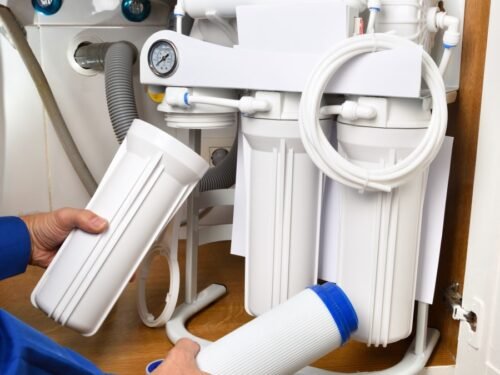
Filters have a service life. Media can eventually become exhausted. Moving parts may need inspection. Some systems need periodic cleaning or adjustment. And well owners should continue testing their water according to appropriate recommendations rather than assuming the treatment equipment makes testing unnecessary.
A neglected system can become less effective gradually, which makes the problem easy to miss. Water may still look perfectly normal while treatment performance has declined.
Keep a simple maintenance record. Note filter changes, service appointments, testing dates, and any changes you notice in water quality. It takes only a few minutes, and it can make troubleshooting much easier later.
Don’t Let a Sales Pitch Make the Decision
Water treatment can involve a meaningful investment, so it pays to slow down before signing anything.
Ask what the system is designed to remove. Ask whether the recommendation is based on your actual water test. Find out how often filters or treatment media need replacement and what ongoing costs you should expect.
Most importantly, be cautious about claims that sound too good to be true. No single treatment system solves every water-quality problem. Honest advice should include limitations as well as benefits.
A trustworthy professional will be more interested in solving your particular problem than selling you every piece of equipment on the showroom floor.
Better Water Starts With Better Information
At the end of the day, improving household water quality doesn’t have to become an overwhelming project. Start small. Identify what concerns you. Test the water. Learn what the results mean. Then choose treatment based on evidence rather than advertising.
Maybe you need basic filtration. Maybe your well needs a more specialized setup. Perhaps whole-home treatment makes sense, with additional drinking-water filtration at the kitchen sink.
The right answer is different for every home.
And that’s actually good news. You don’t need the most expensive system or the most sophisticated technology. You need a solution that fits your water, your household, and your everyday priorities. Once those three pieces line up, cleaner and more dependable water becomes much less mysterious—and a whole lot easier to manage.