From the Tap to the Table: Making Sense of Better Water Quality at Home
Water is one of those everyday essentials we rarely question until something seems off. Maybe the water tastes slightly strange, leaves spots on freshly washed glasses,…
Water is one of those everyday essentials we rarely question until something seems off. Maybe the water tastes slightly strange, leaves spots on freshly washed glasses, or creates a stubborn ring around the sink. Sometimes, there’s no visible problem at all, yet homeowners still wonder whether their water is as clean and suitable as it should be.
That uncertainty is understandable. Water quality can vary based on its source, local infrastructure, plumbing, and environmental conditions. The good news is that improving household water quality doesn’t have to involve guesswork. With the right information, testing, and equipment, homeowners can make practical choices that suit their needs.
Start by Understanding What’s in Your Water
Before choosing a treatment system, it helps to understand the difference between water that looks clean and water that has been properly evaluated. Clear water can still contain dissolved minerals, chemicals, or microorganisms that aren’t visible to the naked eye.
Municipal water supplies are generally treated and monitored, but water quality can change as it travels through distribution networks and household plumbing. Private wells, meanwhile, may have different concerns depending on local geology, agricultural activity, and nearby land use.
A recent water quality report or laboratory test can provide useful information. Depending on the source and situation, testing may examine factors such as hardness, pH, iron, manganese, chlorine, bacteria, nitrates, or other contaminants. The right test panel matters, so it’s worth discussing your concerns with a qualified laboratory rather than ordering a random package.
Why Reverse Osmosis Is Popular for Drinking Water
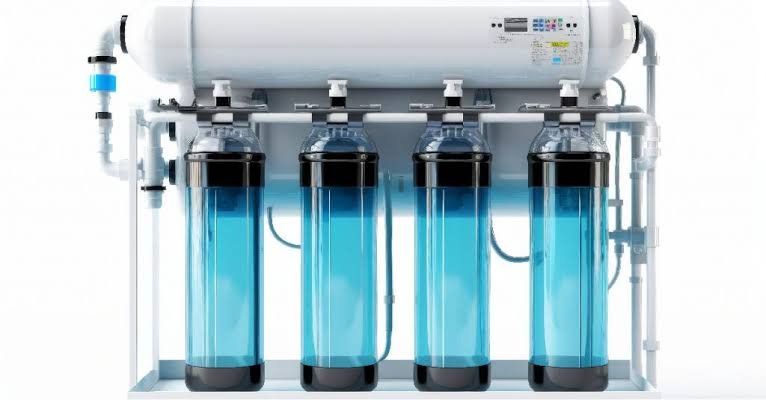
For households looking to improve the quality of water used for drinking and cooking, reverse osmosis is often part of the conversation. The process uses pressure to move water through a semi-permeable membrane, reducing many dissolved substances in the process.
A properly selected reverse osmosis drinking water system can be useful when testing identifies contaminants that the membrane is designed to reduce. Many systems also include sediment and carbon pre-filters, which help protect the membrane and improve taste and odor.
Still, reverse osmosis isn’t a magic solution for every water problem. It may produce wastewater, require periodic filter and membrane replacement, and need adequate water pressure to operate properly. Some systems also include a remineralization stage, depending on the design and the preferences of the household.
The important point is to choose based on actual water quality and intended use. Drinking water treatment and whole-home treatment often serve different purposes.
Whole-House Treatment Addresses More Than the Kitchen Tap
A kitchen filter may improve the water used for drinking, but it won’t necessarily address concerns throughout the property. Showers, washing machines, dishwashers, and bathroom faucets all rely on the same household supply.
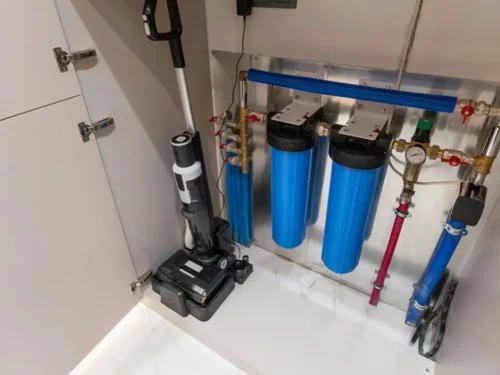
This is where whole house water treatment can become relevant. These systems are installed at the point where water enters the home or at another central location, allowing treatment to extend across multiple fixtures.
The equipment used depends on the issue. A sediment filter may help with suspended particles. Activated carbon can reduce certain tastes and odors. A water softener may address hardness, while specialized media or other technologies may be selected for specific contaminants.
Whole-house treatment should be designed carefully. An oversized or poorly matched system can create unnecessary expense, pressure loss, or maintenance work. The goal isn’t to install the biggest setup available. It’s to install something that performs the job reliably.
Testing Is the Foundation of a Sensible Decision
It’s tempting to choose a system based on a neighbor’s recommendation or an advertisement promising “pure water.” But two homes in the same area can have different plumbing, water sources, and treatment needs.
Laboratory testing provides a clearer starting point. Go Simple Lab Testing can be a useful option for homeowners who want to investigate water quality through a straightforward testing process, provided the selected analysis covers the contaminants relevant to their situation.
When reviewing a laboratory, look for transparency about sample collection, testing methods, reporting, and accreditation where applicable. A credible report should explain the results in understandable terms and identify the units used. If a result is above a guideline or raises concern, that doesn’t automatically mean a crisis is present, but it does indicate that further interpretation may be worthwhile.
For private-well owners, routine testing is especially important. Changes in taste, odor, flooding, nearby construction, or repairs to the well system can all be reasons to consider additional testing.
Don’t Confuse Hard Water with Contamination
Hard water is a common source of frustration, but it deserves its own category. Hardness is mainly caused by calcium and magnesium. These minerals can leave scale on fixtures, reduce soap lather, and make cleaning feel like more work than it should be.
A water softener is designed to reduce hardness, not to remove every contaminant. That distinction matters because a softener may improve the feel and performance of household water without addressing issues such as bacteria, nitrates, or certain chemicals.
If hardness is the primary concern, a properly sized softener may be enough. If several issues are present, a combination of treatment technologies may be more appropriate. Testing helps clarify the difference.
Maintenance Should Be Part of the Buying Decision
Water treatment equipment is not a “fit it and forget it” purchase. Filters need replacement, membranes require servicing, and some systems need regular cleaning or media replenishment.
Ask about maintenance before installation. How often do filters need changing? Are replacement parts easy to find? Does the system require electricity? What happens if water pressure drops? Are service technicians available locally?
These questions may seem a little boring during the buying process, but they become important six months later. A system that is difficult or expensive to maintain can quickly become a neglected system.
Keeping a basic schedule for filter changes and inspections is one of the simplest ways to protect performance. If the water’s taste, smell, pressure, or appearance changes unexpectedly, don’t ignore it.
Making Water Treatment a Practical Investment
Better water quality begins with understanding, not marketing claims. A test can identify concerns, a qualified professional can help interpret the results, and the right equipment can address the problems that actually matter.
Whether the goal is better-tasting drinking water, reduced scale, cleaner-feeling showers, or broader household protection, there’s value in choosing a solution that fits the home rather than chasing an idealized idea of “perfect” water.
The smartest approach is usually a measured one: test first, treat what needs treating, and maintain the equipment consistently. Over time, that can make water quality feel less like a mystery and more like a manageable part of caring for your home.