Understanding Your Home’s Water and Choosing the Right Treatment
Water is one of those everyday essentials we tend to take for granted. We turn on the kitchen tap, fill a glass, start the washing machine,…

Water is one of those everyday essentials we tend to take for granted. We turn on the kitchen tap, fill a glass, start the washing machine, or step into the shower without giving much thought to what might be flowing through the pipes. Usually, that’s perfectly reasonable. But when dishes come out cloudy, soap refuses to lather properly, or mineral marks keep appearing around the faucets, water suddenly becomes something worth paying attention to.
These small frustrations can have several causes. Sometimes the problem is related to minerals naturally present in the supply. In other cases, sediment, chlorine, plumbing conditions, or an issue with existing treatment equipment may be responsible. The important thing is to understand what’s happening before spending money on a solution.
A little knowledge can make choosing the right treatment system much easier, whether you live in a city apartment, a family home, or a property supplied by a private well.
Why Water Conditions Differ From Home to Home
Water travels through different environments before reaching your tap. Its characteristics depend on the original source, local geology, treatment processes, and sometimes the plumbing within the property itself. That’s why two neighboring homes can experience different water concerns.
Groundwater, for example, may contain naturally occurring minerals picked up as it moves through soil and rock. Calcium and magnesium are responsible for hardness, which is a common reason for scale deposits on taps, shower screens, and heating elements. Municipal supplies may also contain disinfectants such as chlorine, which can affect taste and odor.
None of these observations automatically means the water is unsafe. Hardness is generally more of a household maintenance concern than a direct health issue, while unusual odors or sudden changes in appearance may require further investigation.
Understanding your water quality begins with identifying the source and testing for the substances relevant to your concerns. If you’re using a private well, periodic testing is especially important because its condition can change over time. For municipal water, local water quality reports can provide useful background information, although testing at the property may be appropriate when a specific issue is suspected.
Rather than guessing based on taste or appearance alone, use reliable information to guide your decisions.
Recognizing the Everyday Effects of Hard Water
Hard water is common in many regions, and most people notice its effects through ordinary household chores. Soap may produce less lather, freshly washed glasses can develop spots, and bathroom fixtures may collect a chalky residue that seems to return almost as soon as it’s cleaned.
These problems occur because calcium and magnesium can react with certain cleaning products and leave mineral deposits behind. When water is heated, scale may also form inside kettles, water heaters, and other equipment. The amount of buildup depends on hardness levels, water temperature, and how frequently the equipment is used.
Over time, significant scale deposits may affect appliance performance and increase cleaning or maintenance demands. A kettle that takes longer to clean is one thing; mineral accumulation in equipment that’s expensive to repair is another.
Fortunately, recognizing the issue is the first step toward managing it. A simple hardness test can help determine whether minerals are contributing to the problem. If the results confirm high hardness, you can explore treatment options based on your household’s needs and budget.
It’s worth remembering that stains and deposits don’t always have the same cause. Iron, sediment, and other substances can produce similar symptoms, so testing is more useful than relying on appearance alone.
How Water Softeners Can Help
For households dealing with widespread hardness, water softeners may offer a practical solution. Salt-based models typically use a process called ion exchange, in which calcium and magnesium ions are exchanged for sodium ions as water passes through a resin bed.
The softened water can reduce the formation of mineral scale in many household applications. Homeowners often find that soap lathers more easily, shower screens are simpler to clean, and fewer chalky deposits appear around fixtures.
However, a softener isn’t a universal filtration system. Its primary purpose is to reduce hardness, not to remove every possible contaminant. It won’t automatically make water safe from bacteria, viruses, or all dissolved chemicals.
There are also different types of equipment available. Salt-based softeners remove hardness minerals through ion exchange, while salt-free conditioners generally aim to change how minerals behave so they are less likely to form stubborn scale. These technologies work differently, and their results should not be assumed to be identical.
Before purchasing a system, consider the hardness level, number of household members, daily water consumption, available installation space, and ongoing maintenance requirements. The right unit should be sized for actual demand rather than chosen simply because it has the most features.
If you have concerns about sodium intake or want softened water for drinking and cooking, discuss the installation options with a qualified professional. Depending on the system and household circumstances, a separate drinking water tap may be worth considering.
When Filtration May Be the Better Option
Not every water concern is related to hardness. Some households mainly want to improve drinking water taste, reduce chlorine odor, or address a specific substance identified through testing. In these situations, filtration may be more appropriate than a softener.
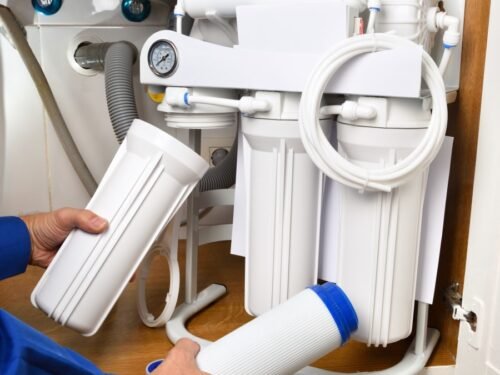
Activated carbon filters are commonly used to reduce chlorine taste and odor, along with certain other substances depending on the product’s design and certification. Reverse osmosis systems can reduce various dissolved substances, although performance depends on the membrane, system configuration, and water conditions.
Sediment filters serve a different purpose. They capture particles such as sand, rust, and other suspended material that may be present in the supply. Ultraviolet disinfection can help control certain microorganisms when the system is correctly selected, installed, and maintained, but it doesn’t remove dissolved minerals.
The distinction matters because no single technology addresses every problem. A filter designed to improve taste may not reduce hardness, while a softener isn’t a substitute for a properly designed disinfection system.
Look for products with certifications relevant to the contaminants you want to reduce. Read the performance claims carefully and check how often filters or other components need replacement.
Why Testing Should Come Before Installation
It’s tempting to buy a treatment system after reading a few reviews or hearing a neighbor’s recommendation. Their experience might be useful, but their water conditions may differ from yours.
Testing provides a clearer starting point. Depending on the issue, it may measure hardness, pH, iron, or other relevant characteristics. If you’re concerned about contamination, the testing method should match the suspected risk, and a qualified laboratory may be necessary.
Once you have the results, ask a water treatment professional to explain what they mean. A good recommendation should connect the findings to a specific treatment method and outline the system’s expected benefits and limitations.
Be cautious of anyone who promises to remove every contaminant without first understanding your water. Reliable advice should be based on evidence rather than pressure to buy equipment immediately.
Keeping Your Treatment System Working Well
Installing equipment is only part of the process. Filters need replacement, softeners require appropriate salt and regeneration, and some systems need periodic inspection to maintain performance.
Follow the manufacturer’s maintenance instructions and keep a record of service visits. If water begins to taste different, scale returns unexpectedly, or pressure drops, investigate rather than assuming the equipment is still working correctly.
Changes in performance can result from clogged filters, incorrect settings, worn components, or a change in the incoming water. Prompt attention can help prevent a minor issue from becoming a more expensive repair.
It’s also sensible to reassess your needs occasionally. A growing family, a home renovation, or a change in water source may affect which treatment system is most suitable.
Making a Confident Choice for Your Home
Better water doesn’t necessarily require complicated equipment or an expensive installation. It starts with understanding the problem, gathering reliable information, and choosing a treatment method that fits your circumstances.
Pay attention to recurring household issues, test when appropriate, and compare equipment based on performance rather than marketing claims alone. Consider installation costs, ongoing maintenance, and the specific contaminants or minerals the system is designed to address.
When you understand your water and know what a treatment system can realistically accomplish, making a decision becomes much less overwhelming. The result is a more practical approach to household water care, with fewer guesses and a better chance of enjoying reliable performance for years to come.