Understanding Your Water: Choosing the Right Treatment for a Healthier Home
Water is part of nearly every routine at home. We use it to make coffee, wash vegetables, take showers, clean dishes, and…
Water is part of nearly every routine at home. We use it to make coffee, wash vegetables, take showers, clean dishes, and fill a glass without giving it much thought. But when the taste changes, stains appear around the sink, or an unpleasant smell comes from the tap, water quality suddenly becomes impossible to ignore.
These signs don’t always point to the same problem. Some homes struggle with hard water, while others may have sediment, unpleasant odors, or contaminants that aren’t visible at all. Understanding what is actually in your water is the first step toward choosing a treatment solution that makes sense for your household.
Why Water Quality Deserves Attention
Water quality can vary depending on whether a home receives water from a municipal supply or a private well. Local geology, plumbing conditions, seasonal changes, and treatment processes can all influence what comes through the faucet.
Some concerns are easy to spot. Cloudy water, metallic tastes, or mineral deposits may encourage homeowners to investigate. Other issues may not change the appearance or smell of water, which is why testing is more useful than relying on your senses alone.
Common water quality issues can include hardness, sediment, chlorine taste, iron staining, sulfur odors, and certain naturally occurring or human-made contaminants. Not every home will experience these problems, and the right response depends on the specific water source and test results.
A professional water test can help identify which concerns are present and whether treatment is necessary. It also prevents homeowners from purchasing equipment based on assumptions or generic advertising claims.
The Role of Reverse Osmosis in Drinking Water
When homeowners are particularly concerned about the quality of their drinking and cooking water, reverse osmosis is one treatment technology worth understanding. It uses pressure to push water through a semipermeable membrane that can reduce many dissolved substances and impurities.
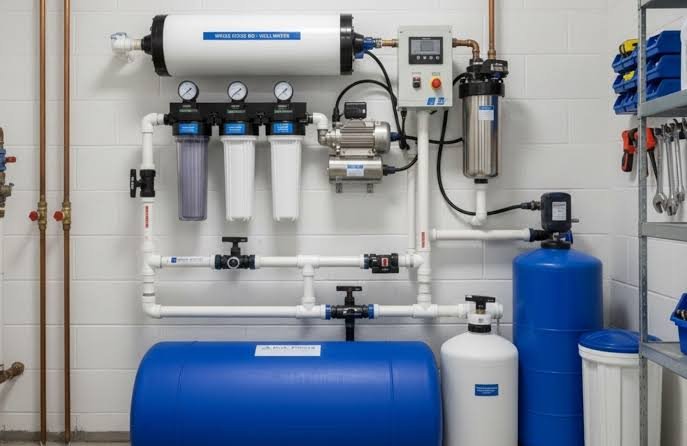
A typical reverse osmosis system may include several stages, such as sediment filtration, carbon filtration, the RO membrane, and a final polishing filter. Some systems also include a storage tank and a dedicated faucet for treated water.
The technology can be useful for improving taste and reducing certain contaminants, but it isn’t automatically the right answer for every household. Performance depends on the system design, incoming water conditions, and the contaminants being targeted. Homeowners should look for systems tested against specific standards rather than relying only on broad claims such as “pure” or “clean.”
It’s also important to remember that reverse osmosis generally treats water at a particular point of use. A kitchen system may provide treated water for drinking and food preparation without treating every shower or bathroom faucet.
Why Well Water Needs a Different Approach
Private wells can provide reliable water for years, but they also come with responsibilities that municipal water users may not face. Because well water isn’t typically managed through a centralized public treatment system, homeowners need to monitor its quality themselves.
The exact concerns vary by region. Some wells may contain iron or manganese, while others may have sediment, hardness, sulfur-related odors, or naturally occurring contaminants. Nearby agricultural activity, septic systems, flooding, and changes in groundwater conditions can also affect a well’s safety.
Effective well water treatment begins with testing rather than choosing a system at random. A basic water analysis may examine factors such as pH, hardness, iron, manganese, bacteria, and other relevant indicators. Depending on local conditions, additional testing may be appropriate.
Treatment options can include sediment filters, iron removal systems, water softeners, UV disinfection, carbon filtration, or other specialized equipment. Each serves a different purpose. For example, a softener may help with hardness but won’t necessarily address bacteria, while UV treatment can target microorganisms but doesn’t remove dissolved minerals.
Matching the Technology to the Problem
One of the most common mistakes homeowners make is assuming that one device can solve every water concern. In reality, treatment technologies are designed for different jobs.
Sediment filters can capture particles such as sand, dirt, and rust. Carbon filters are often used to reduce chlorine taste, odors, and certain organic compounds. Water softeners address hardness minerals, while specialized systems may target iron, sulfur, nitrates, or other specific substances.
Reverse osmosis can be useful for reducing many dissolved contaminants in drinking water, but it may produce wastewater and require regular filter and membrane replacement. UV systems can provide microbial disinfection when properly designed and maintained, but they don’t remove chemical contaminants.
The goal isn’t to install the most complicated setup. It’s to build a treatment approach around the actual water chemistry, the home’s plumbing, and the family’s priorities.
Maintenance Makes a Difference
Even a well-designed water treatment system needs attention. Filters become less effective as they collect contaminants, membranes require replacement, and disinfection equipment must be maintained according to manufacturer instructions.
Neglecting maintenance can lead to reduced performance and unexpected costs. Homeowners should ask how often filters need changing, whether replacement parts are easy to obtain, and whether professional servicing is recommended.
For private wells, regular testing is especially important. Water that tested well several years ago may not remain unchanged forever. Keeping records of test results and service visits can make it easier to notice trends before they become major concerns.
A Smarter Way to Improve Your Home’s Water
Choosing water treatment equipment doesn’t have to be overwhelming. Start by identifying the symptoms, testing the water, and learning which contaminants or characteristics need attention. From there, compare solutions based on their verified performance, installation requirements, maintenance needs, and long-term costs.
A reputable water professional should explain why a particular system is being recommended and what results you can realistically expect. Be cautious of anyone promising that a single product will fix every possible water problem without testing.
Clean, dependable water is more than a household convenience. It supports cooking, hygiene, comfort, and everyday peace of mind. With accurate information and a treatment solution suited to your home’s needs, improving water quality becomes a practical investment rather than a guessing game.