Keeping Your Home Comfortable When the Temperature Drops
There’s something you notice almost immediately when a heating system starts struggling. The house feels colder in the morning. One room seems…
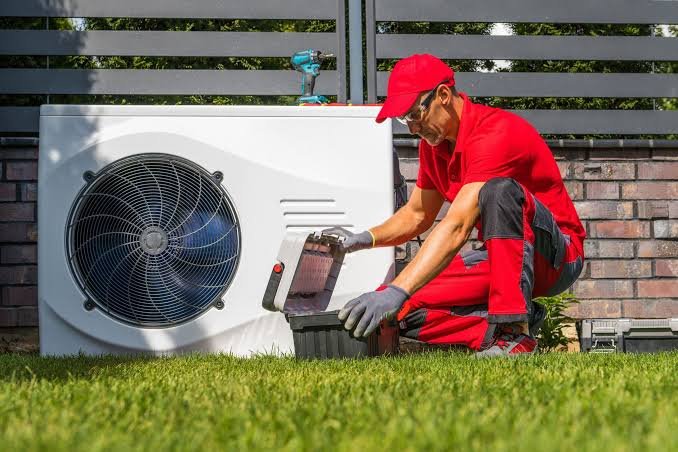
There’s something you notice almost immediately when a heating system starts struggling. The house feels colder in the morning. One room seems fine while another is strangely chilly. Maybe the system runs longer than usual, or you hear a faint rattle every time it starts. None of these things seem dramatic at first, but they’re often the little warnings that something needs attention.
Heating systems tend to get ignored when they’re working well. That’s understandable. When the temperature indoors is comfortable, nobody really thinks about the furnace, heat pump, or other equipment quietly doing its job. But once cold weather arrives, reliable heating becomes less of a convenience and more of a necessity. A comfortable home should feel warm without the system constantly fighting to keep up.
Don’t Wait for a Small Problem to Become a Big One
One of the most common mistakes homeowners make is waiting until the heating system stops completely before calling a professional. It’s easy to think, “It’s still working, so I’ll deal with it later.” Unfortunately, mechanical problems don’t always stay small.
A strange smell, unusual noise, weak airflow, frequent cycling, or rooms that never seem warm enough can all be signs worth investigating. Sometimes the cause is relatively simple, such as a dirty filter or restricted airflow. Other times, there may be an issue with an electrical component, blower motor, thermostat, heat exchanger, ductwork, or another part of the system.
Professional heating repair can identify the source of the problem before it turns into a more disruptive failure. That matters even more during a cold spell, when HVAC companies can become extremely busy and getting same-day service may be harder.
What a Good Heating Inspection Actually Looks Like
A proper service visit shouldn’t feel like someone walking in, looking at the equipment for two minutes, and announcing a price.
A technician should take time to understand what you’re experiencing. When did the problem begin? Does the system behave differently at certain times of day? Are some rooms colder than others? Has energy use changed? These details can help point toward the underlying issue.
The equipment itself also needs attention. Depending on the system, an inspection may involve checking electrical connections, airflow, controls, filters, burners, motors, safety components, ductwork, or thermostat operation. The exact checks depend on the type and age of the equipment.
Good technicians explain what they find in plain language. You shouldn’t need an engineering degree to understand why something needs to be repaired.
Sometimes Replacement Is the Smarter Choice
Repair isn’t always the best answer. Older heating equipment can reach a point where keeping it alive becomes increasingly expensive.
Imagine spending money on one repair in January, another in February, and then facing another major component failure the following winter. At some point, the question changes from “Can this be fixed?” to “Does fixing this still make financial sense?”
Age, repair history, efficiency, comfort, and the expected remaining service life should all be considered. A professional can help you compare the likely cost of continued repairs with the investment involved in replacing the system.
There’s no universal rule that says an old system must be replaced. Some older equipment is remarkably dependable. The important thing is making the decision based on its actual condition rather than fear or sales pressure.
Installation Is About More Than Putting Equipment in Place
When homeowners purchase new heating equipment, it’s natural to focus heavily on the brand, model, efficiency rating, and price. Those things matter, but installation quality deserves just as much attention.
Even excellent equipment can perform poorly if it’s incorrectly sized or installed. A system that’s too small may run constantly during cold weather. One that’s too large can cycle unnecessarily, potentially affecting comfort and efficiency.
A professional heating installation should take the characteristics of the property into account. Square footage is only part of the picture. Insulation, windows, ductwork, ceiling height, building orientation, occupancy, and local climate can all influence heating requirements.
The goal isn’t simply to make the equipment turn on. It’s to create a system that distributes heat properly and operates reliably without unnecessary strain.
Design Matters Before Installation Begins
A new HVAC system shouldn’t be treated like a one-size-fits-all appliance. Every building has its own quirks.
An older home may have uneven insulation or ductwork that was designed around equipment from another era. A newly constructed property may have different efficiency requirements and zoning needs. Commercial buildings can be even more complicated, with different occupancy patterns and temperature requirements throughout the day.
This is where expert system design becomes valuable. A thoughtful design process considers how the entire heating and cooling system will work together, rather than selecting equipment in isolation.
Proper design can help address airflow, comfort zones, equipment capacity, controls, and future maintenance. It can also reduce the risk of discovering after installation that one part of the system doesn’t work well with another.
Don’t Forget the Thermostat
The thermostat is small, but it has an outsized influence on comfort.
If it’s inaccurate, poorly positioned, outdated, or programmed incorrectly, the heating system may not behave the way you expect. A thermostat located near a drafty door, direct sunlight, or another heat source can receive a misleading temperature reading.
Modern programmable and smart thermostats offer useful scheduling and control features. But technology isn’t automatically better just because it has more buttons. The right thermostat is one that works with your HVAC system and fits how you actually use your home.
A complicated control system that nobody understands isn’t much of an improvement.
Maintenance Keeps the System Ready
Heating maintenance is another task that tends to disappear from the to-do list. Then winter arrives.
Regular maintenance can help identify worn components, airflow restrictions, dirty parts, and other developing issues. Filters should also be checked and replaced according to the equipment manufacturer’s recommendations. A clogged filter forces the system to work harder and can reduce airflow.
Homeowners should also pay attention to changes. If the system suddenly becomes louder, takes longer to heat the home, produces unusual odors, or starts cycling differently, don’t simply assume it’s getting old.
Your heating equipment is giving you information. Sometimes you’ve just got to listen.
Choosing the Right HVAC Professional
Price matters, but it shouldn’t be the only deciding factor. A very low estimate may look attractive until you discover that important work, materials, warranties, or follow-up service aren’t included.
Look for an HVAC professional who communicates clearly, provides a detailed estimate, has appropriate credentials and insurance, and is willing to answer questions. Reviews and recommendations can help too, particularly when they mention reliability, workmanship, and communication rather than just price.
It’s also worth asking about maintenance plans and emergency service. A good HVAC company should be useful not only when something breaks, but throughout the life of your system.
Warmth You Can Count On
A dependable heating system doesn’t need much attention when everything is going right. That’s actually the point. It should quietly keep the house comfortable while you get on with your life.
When problems appear, deal with them before they become emergencies. When replacement is necessary, look beyond the equipment price and consider installation, design, efficiency, and long-term reliability. And when choosing a contractor, look for someone who treats your home as more than another service call.
Good heating is something you feel rather than see. When the system has been properly maintained, thoughtfully designed, and professionally installed, winter becomes a little easier—and home feels like home again.