How Water Testing Helps Homeowners Find the Right Water Quality Solutions
Water plays a role in almost every part of daily life. We drink it, cook with it, wash our clothes in it,…
Water plays a role in almost every part of daily life. We drink it, cook with it, wash our clothes in it, and rely on it for showers, cleaning, and countless small routines. So when the water coming from the tap tastes unusual, leaves stains on fixtures, or seems to affect the skin, it’s natural to wonder whether something needs to change. But before purchasing a filtration system or calling for major plumbing work, it helps to understand what’s actually happening.
Water problems aren’t always obvious, and they don’t all require the same solution. A little investigation can save homeowners money, reduce confusion, and lead to better long-term results.
Why Water Quality Can Differ From Home to Home
Even homes in the same neighborhood may experience different water concerns. Municipal water is treated before distribution, but its characteristics can change as it travels through pipes and enters individual properties. Private wells, older plumbing, storage tanks, and local groundwater conditions can also influence quality.
Some issues are easy to spot. Cloudy water, visible sediment, or a metallic taste may suggest that further investigation is worthwhile. Other substances, however, may be present without creating any noticeable change in taste, smell, or appearance. That’s why a clean-looking glass of water doesn’t necessarily tell the whole story.
Understanding the source of the water is a useful first step. Homeowners should know whether their supply comes from a municipal system, a private well, or another source, since each may involve different testing and treatment considerations.
The Value of Testing Before Choosing Equipment
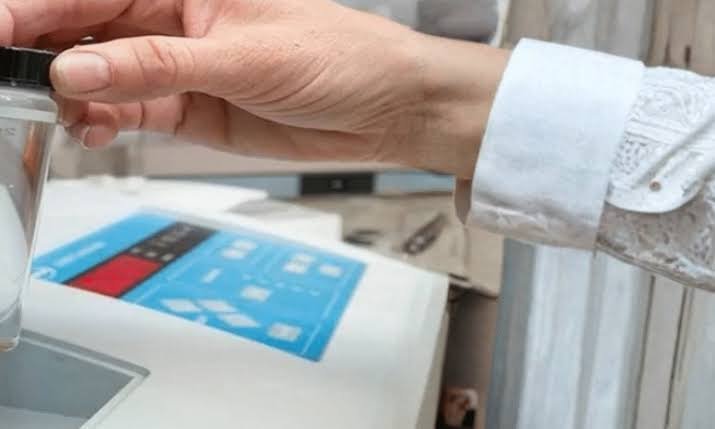
One of the most practical steps a homeowner can take is water testing & analysis. This process helps identify the characteristics of the water and, depending on the test, may reveal concerns involving hardness, pH, iron, manganese, chlorine, sediment, or other substances.
Testing is valuable because it replaces guesswork with information. For instance, someone dealing with white scale on faucets may assume they need a general filter, when the underlying issue could primarily be hard water. Another homeowner might notice an unpleasant odor and need a different type of treatment altogether.
The type of test matters, too. Basic home test kits can provide useful preliminary information, but certified laboratory testing may be more appropriate when homeowners are concerned about specific contaminants or private-well safety. A professional can help explain which tests are relevant instead of recommending an unnecessarily broad package.
Understanding Drinking Water and Reverse Osmosis
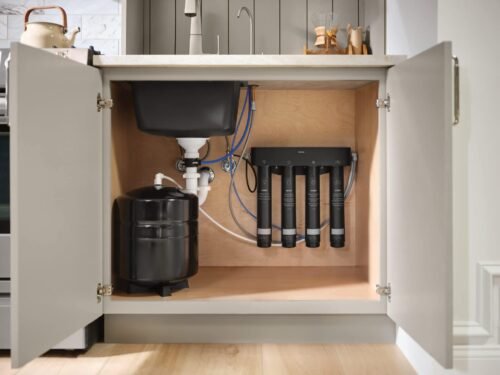
For many families, the biggest priority is improving the quality of water used for drinking and cooking. In these situations, point-of-use filtration can be a practical option, particularly when the concern is limited to a few taps.
Systems designed for drinking water / ro filtration are often used to reduce selected dissolved substances and improve taste. Reverse osmosis, commonly called RO, works by pushing water through a semipermeable membrane. Depending on the system and its configuration, it can reduce a range of dissolved impurities.
That said, RO isn’t automatically the right answer for every household. It typically produces some wastewater, requires filter and membrane replacement, and may remove minerals that some people prefer to retain. It also treats water at a specific point rather than necessarily addressing every tap in the home.
Before installing an RO system, homeowners should review the manufacturer’s performance claims, maintenance schedule, water pressure requirements, and expected output. A system that fits the household’s actual drinking-water needs is usually more useful than one chosen simply because it is popular.
Recognizing Different Types of Water Problems
Water concerns can come from several sources, and identifying the symptoms can help narrow down the possibilities. Hard water often creates scale and makes soap less effective. Sediment may appear as particles or cloudiness. Iron can sometimes cause staining, while certain organic compounds may affect taste or odor.
There are also concerns that cannot be reliably identified through appearance alone. This is especially important for private-well owners, who may need periodic testing based on local conditions and nearby activities.
Not every issue is a reason for alarm, but every persistent issue deserves a sensible response. If water suddenly changes color, develops a strong odor, or causes an unexplained problem, it’s worth investigating rather than assuming the cause.
Exploring Problem Water Solutions
Once testing identifies the issue, homeowners can consider suitable problem water solutions. The right system depends on what needs to be reduced and how much water requires treatment.
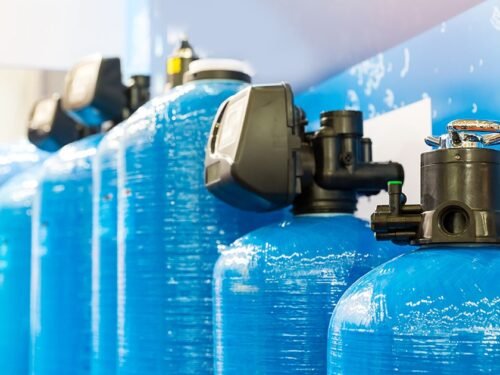
For sediment, a sediment filter may be appropriate. Activated carbon can be useful for certain taste and odor concerns. Water softeners are commonly used to address hardness minerals, while iron filtration systems may be considered when iron is causing staining or other problems. UV disinfection may be relevant in certain situations involving microbial concerns, particularly with private-well water, but it does not remove dissolved chemicals or minerals.
Some homes may benefit from combining technologies. For example, a sediment prefilter could protect a more advanced filtration unit, while a softener and drinking-water RO system may serve different purposes within the same property. The key is ensuring that each component has a clear job.
A treatment company should be able to explain what a proposed system is designed to address, what it cannot remove, and how its performance will be maintained. Clear answers are more valuable than impressive-sounding promises.
Whole-Home or Point-of-Use Treatment?
Choosing between whole-home and point-of-use treatment often comes down to the scope of the concern. If the issue affects water throughout the house, a system installed at the main entry point may be worth considering. This can provide treated water for showers, laundry, cleaning, and other household uses.
On the other hand, if the main goal is better drinking and cooking water, an under-sink system may be enough. It can focus treatment where it matters most without requiring equipment for the entire plumbing network.
There’s no universal winner between the two approaches. A family’s water usage, budget, plumbing layout, and test results should guide the decision. Sometimes a targeted solution is all that’s needed; in other cases, broader treatment makes more sense.
Maintenance Is Part of Water Quality
Even a well-designed system needs attention. Filters eventually become saturated, membranes require replacement, and mechanical components may need inspection. Ignoring maintenance can reduce performance and, in some cases, create additional water-quality concerns.
Homeowners should understand the recurring costs before installation. Ask how often filters need to be changed, whether professional servicing is recommended, and what signs indicate that the system needs attention. Keeping a simple maintenance record can prevent missed replacements.
It’s also wise to check water pressure and flow rates after installation. A system should improve water quality without creating unnecessary inconvenience throughout the home.
Making a Confident, Informed Decision
Better water quality begins with a clear understanding of the problem. Testing, reliable advice, and realistic expectations can help homeowners avoid buying equipment that doesn’t address their actual needs.
Whether the concern involves taste, scale, sediment, or a specific contaminant, the goal should be practical improvement rather than unnecessary complexity. A suitable system, installed correctly and maintained consistently, can make everyday water use more comfortable and predictable.
In the end, water treatment is not about choosing the most advanced equipment on the market. It’s about finding the right balance between quality, cost, maintenance, and the needs of the household. A thoughtful decision today can make a noticeable difference in the routines that depend on water every day.