Keeping Your Water System Working Well: The Maintenance Habits That Matter
Most homeowners don’t think much about their water treatment system until something goes wrong. A faucet starts producing water with an odd taste. The shower pressure…

Most homeowners don’t think much about their water treatment system until something goes wrong. A faucet starts producing water with an odd taste. The shower pressure changes. You notice spots on freshly washed dishes, or maybe the soft water that once felt noticeably different suddenly doesn’t anymore. By then, the system may have been quietly asking for attention for weeks.
Water treatment equipment is built to make life easier, but it still needs a little care. Filters fill up, settings can drift, salt levels fall, and components eventually wear out. None of this is particularly dramatic. In fact, routine maintenance is usually much easier—and cheaper—than waiting for a complete failure.
Know What Your Water Actually Needs
Before thinking about maintenance, it helps to understand the job your system is supposed to perform. A water softener, whole-house filter, reverse osmosis unit, and iron-removal system don’t all solve the same problem.
Your water may contain hardness minerals, sediment, iron, chlorine, or other substances that affect taste, appearance, plumbing, or appliance performance. Testing can help identify those issues instead of relying on guesswork.
A free water test can be a useful starting point for homeowners who aren’t sure what is happening with their water. Once the results are understood, it becomes easier to determine whether the current treatment equipment is doing its job or whether adjustments may be needed.
Pay Attention to Small Changes
One of the easiest ways to maintain a water treatment system is simply to notice how your water behaves.
Maybe your soap isn’t lathering the way it used to. Perhaps you’re seeing more scale around faucets. Water that once tasted clean has developed a faint odor. These little changes can be early clues that something isn’t working quite right.
It’s easy to shrug them off. After all, the water is still running. But a gradual decline in performance can sometimes point to a filter that needs changing, a softener that needs attention, or a setting that isn’t appropriate for current household usage.
Think of it like your car. You don’t wait for the engine to stop before checking the oil.
Filters Don’t Last Forever
Filters are designed to capture or reduce unwanted material, which means they eventually become less effective as they collect what they’re supposed to remove.
How often a filter needs replacement depends on the system, water quality, household size, and water consumption. A small family with relatively clean water may go longer between replacements than a larger household dealing with heavy sediment.
Waiting until the filter is completely exhausted isn’t a smart maintenance strategy. Performance can decline before there’s an obvious warning sign. Following the manufacturer’s recommended replacement schedule is a good baseline, while actual water conditions may justify more frequent attention.
Don’t Ignore Your Water Softener
If your home uses a water softener, keeping an eye on the salt supply is one of those simple chores that pays off.
When the salt level gets too low, the system may not regenerate properly, depending on its design and settings. You don’t necessarily need to fill the brine tank every few days, though. Overfilling can also make inspection and cleaning more difficult.
For households that don’t have the time or desire to regularly handle heavy bags, a professional salt delivery service can make the routine much less of a hassle. It’s a practical option, especially for older homeowners, busy families, or anyone who simply doesn’t want to wrestle a bulky bag into the garage.
Give Your System a Proper Checkup
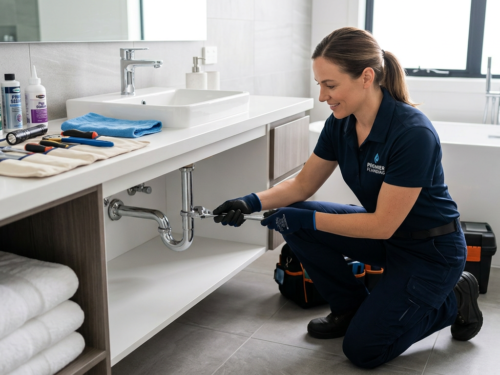
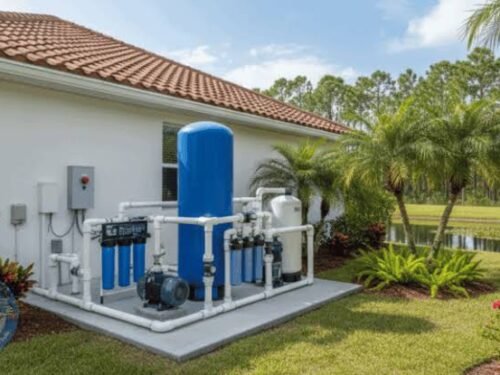
Even well-maintained equipment benefits from an occasional professional inspection. A technician can look at valves, connections, pressure, settings, tanks, filters, and other components that aren’t always obvious to a homeowner.
A service visit can also uncover an issue before it becomes an expensive repair. Sometimes the problem is surprisingly minor—a setting needs adjustment, a filter is overdue, or a connection needs attention.
If you’ve noticed a change in water quality or system performance, don’t put it off indefinitely. It’s usually better to schedule service while the system is still functioning than to wait for a complete breakdown at the worst possible time.
Watch Your Water Pressure
Water pressure is another useful clue. A sudden drop in pressure can sometimes be related to a clogged filter or another restriction in the treatment system.
That doesn’t mean every pressure problem originates with your water treatment equipment. Plumbing leaks, municipal supply issues, pressure regulators, and other components can also be responsible. Still, if the pressure changes soon after a filter has been installed or when a filter is approaching the end of its service life, it’s worth investigating.
A professional diagnosis can save you from replacing the wrong component.
Keep the Equipment Area Accessible
This sounds almost too obvious, but it matters. Water treatment equipment needs to be accessible for inspection and maintenance.
Don’t bury the system behind boxes, furniture, storage bins, or whatever happens to accumulate in the utility area. Technicians need room to work, and homeowners need to be able to check basic things such as salt levels, leaks, and visible damage.
A clean area also makes unusual sounds or moisture easier to spot. Sometimes prevention really is that simple.
Maintenance Protects More Than the Treatment System
Properly maintained water treatment equipment can also help protect other parts of the home.
Hard-water scale, for example, can accumulate inside plumbing fixtures and appliances over time. Sediment can affect valves and equipment. Water-quality problems may become especially noticeable in water heaters, dishwashers, washing machines, and coffee makers.
That doesn’t mean a treatment system eliminates every possible plumbing or appliance problem. It doesn’t. But maintaining the equipment helps it perform the job it was installed to do, which can contribute to a healthier overall household water system.
Know When Repair Makes More Sense Than Replacement
Eventually, every system reaches a point where replacement may be more sensible than another repair. But that decision shouldn’t be based solely on age.
A well-maintained older system may continue working reliably, while a newer system with neglected maintenance might already have significant problems. The cost and availability of replacement parts, energy or water usage, treatment performance, and the condition of the main components all matter.
A qualified technician can help you compare the likely repair cost with the long-term value of replacement. Sometimes a simple repair is all that’s needed. Other times, upgrading makes more financial sense.
Good Water Starts With Consistent Care
Water treatment doesn’t have to become another complicated household project. A little observation, timely filter replacement, proper salt management, and occasional professional service can go a surprisingly long way.
The bigger point is to avoid treating maintenance as something you do only after a problem appears. Your system works quietly in the background every day. Giving it some attention before trouble starts is one of the easiest ways to protect that investment.
Clean, comfortable water is something most people take for granted—and honestly, that’s a good thing. When your treatment system is properly maintained, it can stay in the background where it belongs, doing its job without demanding much attention from you.