Making Better Water Choices for a Healthier, More Comfortable Home
Water is one of those things most of us barely think about until something feels off. Maybe the coffee tastes different. There’s…
Water is one of those things most of us barely think about until something feels off. Maybe the coffee tastes different. There’s a chalky ring around the faucet. The shower glass seems to collect spots overnight, or the laundry doesn’t feel quite as soft as it used to.
These little clues can be easy to dismiss. After all, the water is still running.
But water quality can affect more than taste. Minerals, sediment, odors, and other substances in a water supply can influence plumbing fixtures, appliances, cleaning routines, and even how comfortable a home feels. The good news is that homeowners have several ways to improve their water, and the right approach doesn’t have to be complicated.
The trick is understanding what your water actually needs before choosing a solution.
Start With the Water, Not the Equipment
It’s tempting to shop for a filtration system first. There are plenty of products promising cleaner, fresher, better-tasting water. But buying equipment without understanding the problem can lead to wasted money and disappointing results.
A water test can provide a much clearer starting point. It may reveal hardness levels, sediment, iron, chlorine, pH concerns, or other characteristics that aren’t obvious just by looking at a glass of water.
Once those details are known, homeowners can choose treatment equipment based on an actual need rather than guesswork. Sometimes a simple filter is enough. In another home, several treatment stages may make more sense.
For businesses, the stakes can be even higher. Restaurants, offices, hotels, apartment buildings, and manufacturing facilities may use substantial amounts of water every day. In those environments, commercial solutions should be selected around usage, water quality, operational requirements, and long-term maintenance rather than simply equipment size.
Why Whole-Home Filtration Can Be So Convenient
There’s something reassuring about knowing that water entering different parts of the house is being treated consistently.
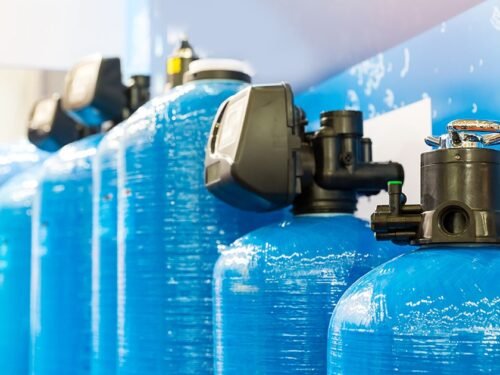
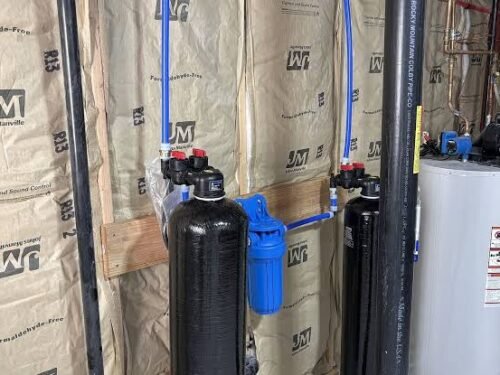
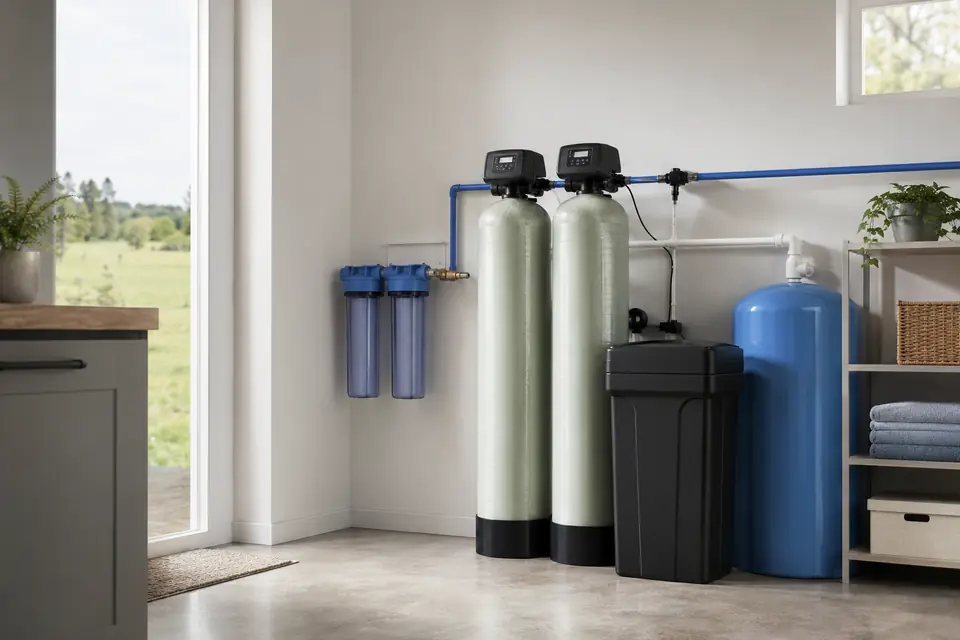
That’s one reason homeowners consider whole house water filters. Instead of installing a small filter only at a kitchen faucet, a whole-home system treats water as it enters the property, depending on the system design and treatment method.
This can be useful for households concerned about sediment, chlorine taste and odor, or particular contaminants that are appropriate for filtration. It can also reduce the need to rely on individual point-of-use filters throughout the house.
Still, “whole house” doesn’t automatically mean “removes everything.” Different filters are designed for different purposes. Some are excellent at reducing sediment, while others are designed for specific chemicals or contaminants. Reading the specifications matters.
A reputable water-treatment professional can help explain what a particular system does—and just as importantly, what it doesn’t do.
Hard Water Has a Way of Making Itself Known
Hard water is another common issue. It contains higher concentrations of minerals, particularly calcium and magnesium. These minerals aren’t necessarily something you can see floating in the water, but over time they can leave a noticeable trail.
You may see white scale around faucets, showerheads, and sinks. Glass shower doors can become stubborn to clean. Soap may not lather as easily, and water heaters or other appliances can experience mineral buildup.
This is where water softeners can be useful. A traditional water softener uses an ion-exchange process to reduce the concentration of hardness minerals in the treated water. The result can be less scale and a different feel when washing hands, showering, or doing laundry.
However, not every home needs a softener. If hardness isn’t a concern, installing one simply because someone recommended it may not make much sense. Again, testing should come first.
Think About Your Appliances, Too
Water treatment isn’t only about drinking water.
Your water supply interacts with washing machines, dishwashers, water heaters, coffee makers, humidifiers, and countless plumbing components. Over years, mineral buildup and sediment can affect how these appliances operate.
Consider a water heater. When hard-water minerals accumulate inside the tank, they can form deposits that may interfere with efficient heating. You might hear popping or rumbling sounds as the equipment operates. It doesn’t necessarily mean the unit is about to fail, but it is worth investigating.
Likewise, sediment can clog aerators and affect valves or fixtures. Treating the water appropriately may help reduce some of these problems, although maintenance and equipment age still matter.
Water treatment isn’t a magic shield against every plumbing repair. It is simply one part of taking better care of the home.
Maintenance Is Where Good Systems Prove Their Value
Even an excellent treatment system needs attention.
Filters eventually become saturated. Softener systems require salt or other consumables depending on their design. Connections should be inspected, and equipment may need cleaning or periodic servicing.
Ignoring maintenance can make a system less effective. In some cases, a neglected filter can restrict water flow or simply stop doing the job it was installed to do.
It’s easy to forget about equipment tucked away in a garage, basement, utility room, or under a sink. That’s why setting a simple maintenance reminder can help. Check filter-life indicators if available, keep records of replacements, and follow the manufacturer’s service recommendations.
And if water quality suddenly changes after months or years of normal operation, don’t assume the equipment is working fine. A new smell, taste, discoloration, or pressure change deserves a closer look.
Don’t Choose Treatment Based on Marketing Alone
Water treatment can get technical very quickly. Terms like micron ratings, capacity, regeneration cycles, flow rates, membranes, carbon media, and contaminant reduction percentages can leave homeowners wondering what they actually need.
The answer should always come back to the property.
How much water does the household use? Is the concern drinking water, bathing water, hard-water scale, or a specific contaminant? How much space is available? What maintenance can realistically be handled? Is the home supplied by municipal water or a private well?
These questions matter more than choosing the system with the longest feature list.
A good installation should also leave room for future service. Equipment that is difficult to access or maintain can become frustrating later, even if it performs well initially.
Better Water Begins With Better Decisions
There isn’t one perfect water-treatment system for every household. A family living in a small apartment may have completely different needs from a large suburban home, while a restaurant or commercial property has an entirely different set of priorities.
The smartest approach is fairly simple: understand the water, identify the problem, choose treatment that addresses that problem, and maintain the equipment afterward.
That may sound less exciting than buying the newest system on the market, but it’s much more practical.
Good water treatment should fit into your life rather than become another thing you constantly have to worry about. When the right equipment is matched to the right water conditions, the benefits can show up in small everyday moments—the cleaner shower glass, the better-tasting drink, the faucet with less scale, or an appliance that keeps doing its job year after year.
Sometimes, improving a home isn’t about adding something flashy. It’s about making an ordinary necessity work a little better. Water is a pretty good place to start.