What Your Water Is Trying to Tell You
Most people don’t wake up thinking about their household water. They turn on the tap, fill the kettle, take a shower and…
Most people don’t wake up thinking about their household water. They turn on the tap, fill the kettle, take a shower and get on with the day. Water is supposed to be the easy part of running a home.
Then something changes.
The shower door develops stubborn white marks. Soap seems harder to rinse away. A glass of water has a faint taste you didn’t notice before. Maybe the laundry feels rough, or the water pressure doesn’t seem quite right. None of these signs automatically means there’s a serious problem, but they are worth paying attention to.
Good water treatment starts with observation, but it shouldn’t end with guesswork. Understanding what’s actually in your water can make the difference between choosing a useful solution and spending money on equipment you never really needed.
Start With the Water, Not the Equipment
It’s tempting to shop for a solution as soon as a water problem appears. Search online, compare a few systems, read some reviews and, before long, you’re looking at a dozen different products that all promise better water.
That’s where things can get confusing.
A better starting point is water testing. Testing can provide information about characteristics such as hardness, pH, iron, chlorine, total dissolved solids and other potential concerns, depending on the type of test performed.
This information gives you a baseline. Instead of saying, “My water feels hard,” you can find out whether hardness is actually elevated and, if it is, roughly how significant the issue may be.
For homeowners, that’s valuable because water quality isn’t identical everywhere. Two houses a few streets apart can have different experiences, particularly when private wells, plumbing conditions or varying water sources are involved.
Hard Water Leaves Clues
Hard water is one of the most common complaints homeowners have, and its effects tend to show up in ordinary, annoying ways.
You might find scale around faucets, spots on dishes, or a chalky film inside the shower. Soap may not lather as easily, and freshly washed clothes can sometimes feel less soft than expected. Appliances that heat water can also accumulate mineral deposits over time.
Hardness mainly comes from dissolved calcium and magnesium. These minerals aren’t automatically harmful simply because they’re present. The issue is that they can interfere with cleaning, plumbing fixtures and equipment.
The important question is not whether hard water exists. It’s whether your water softening needs justify installing a system and what size or type would make sense.
That’s a more practical way to look at it. A household with mild hardness may have very different requirements from a large home dealing with significant scale throughout the plumbing.
Don’t Treat Every Problem the Same Way
One of the biggest mistakes people make is assuming that one treatment technology can handle every water concern.
It usually can’t.
A softener is primarily intended to address hardness. A sediment filter is useful for particles. Activated carbon can help with certain tastes, odors and chemicals. Reverse osmosis is designed to reduce many dissolved substances. Specialized equipment may be needed for problems involving iron, sulfur or other specific conditions.
These technologies aren’t interchangeable, even though marketing materials can sometimes make them sound that way.
Think of it like maintaining a car. You wouldn’t use motor oil to clean the windshield just because both products are sold for vehicles. The tool has to match the job.
The same basic principle applies to water treatment.
Consider How Your Household Actually Uses Water
A treatment solution should fit your household, not just the water report.
A couple living in a small home will have a different demand from a family of six. Morning routines can create surprisingly high water usage, especially when several showers, toilets, faucets and appliances are running within the same hour.
Flow rate matters. So does system capacity.
If a treatment unit is too small, it may struggle during periods of heavy demand. If it’s dramatically oversized, you’re potentially paying more than necessary for equipment and maintenance.
This is why professional sizing can be useful. The goal isn’t simply to install something powerful. It’s to install something appropriate.
Think Beyond the Kitchen Faucet
When people talk about water quality, they often focus on drinking water. That’s understandable, but household water has a much bigger role.
You bathe in it. Wash clothes with it. Clean dishes, cook food and run appliances with it. If a water issue affects the entire home, a small point-of-use filter may not address everything you notice.
On the other hand, not every household needs comprehensive treatment at every fixture.
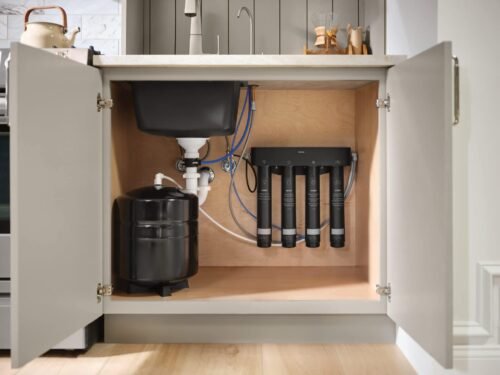
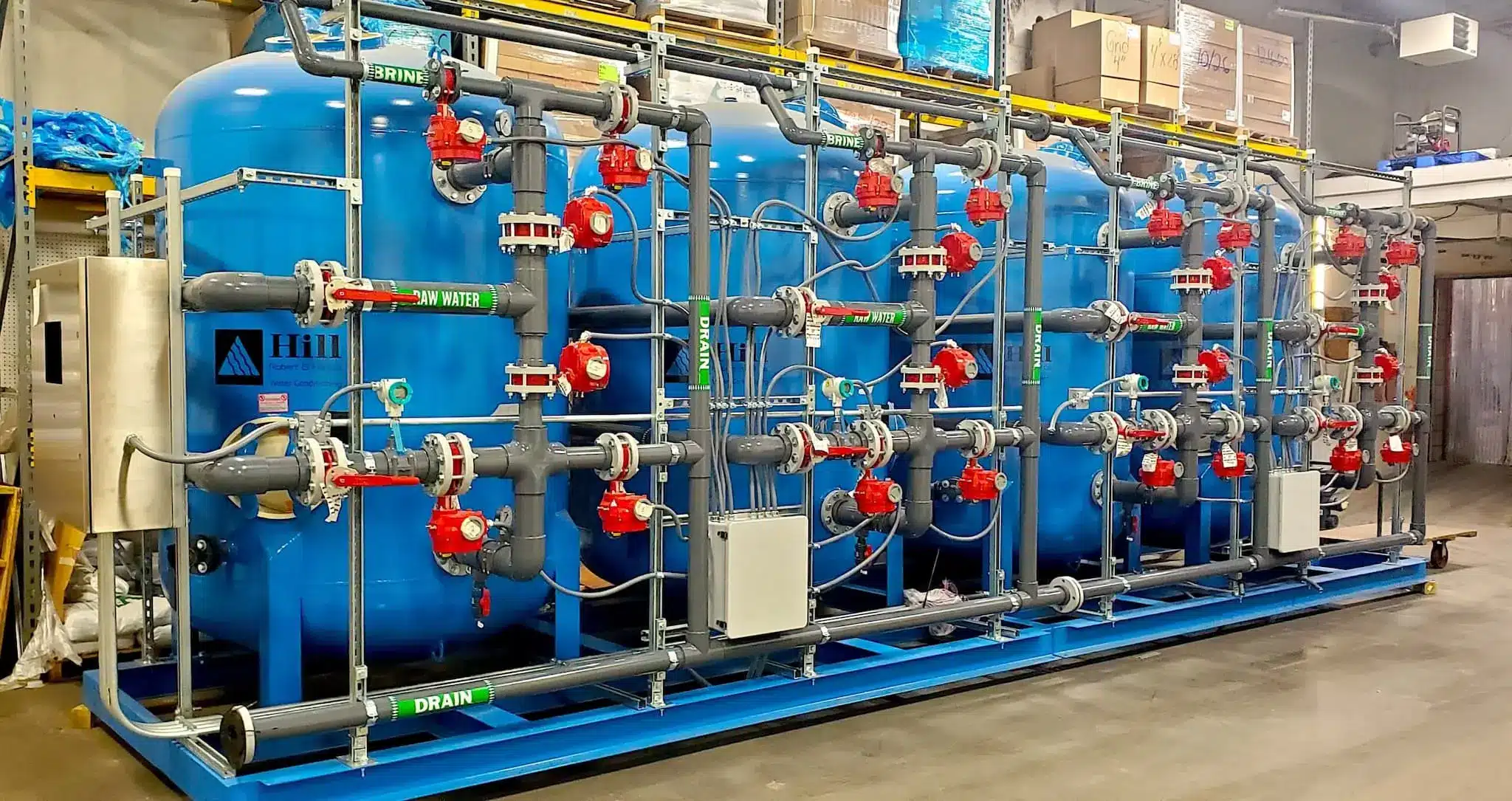
This is where water treatment systems should be considered based on the specific problem being addressed. Point-of-use solutions can make sense for certain drinking-water concerns, while whole-home treatment may be more appropriate when the issue affects multiple fixtures.
The right approach depends on what the testing shows and what you’re hoping to improve.
Installation Matters More Than It Gets Credit For
Even excellent equipment can perform poorly when it isn’t properly installed.
Connections need to be correct. Flow direction matters. Drain lines, electrical requirements and bypass arrangements may all need attention depending on the equipment. There should also be enough room around the system for future servicing.
It sounds obvious, but accessibility is often overlooked. Nobody wants a filter housing tucked behind a collection of boxes in a dark corner of the garage.
Think ahead. Someone will eventually need to change a filter, inspect a valve or service the unit. Making that task easy is part of good system design.
Maintenance Isn’t Optional
Water treatment equipment is a long-term commitment, even when the day-to-day work is minimal.
Filters need changing. Some systems require cleaning or sanitization. Salt-based equipment needs supplies and periodic checks. Components can wear out, too.
Before purchasing anything, ask about the ongoing side of ownership. How often are filters replaced? What do replacement parts cost? Is professional service available? What happens if the system stops working?
The cheapest installation isn’t necessarily the least expensive option over five or ten years.
Sometimes a slightly higher upfront investment in dependable equipment and proper installation pays off simply because there are fewer surprises later.
Pay Attention to Changes
Water quality can change over time, particularly in homes using private wells or properties where plumbing, supply conditions or treatment equipment have changed.
A system that worked perfectly several years ago may eventually need adjustment or replacement. That’s not necessarily a failure. Homes change, families change, and water conditions can change along with them.
If you notice a new smell, taste, color, unusual staining or a sudden difference in water behavior, don’t automatically assume the treatment equipment is broken. Start by figuring out what changed.
A fresh test may tell you more than hours spent searching through online forums.
The Best Solution Is the One That Makes Sense
There is no universal water treatment system that belongs in every home. That’s probably the most useful thing to remember.
Good decisions begin with information. Test the water. Identify the actual concern. Consider household size and daily usage. Then look at treatment options that directly address those findings.
You may discover that a straightforward solution is enough. Or you may learn that several treatment stages are necessary. Either way, the decision becomes much easier when it’s based on evidence rather than a sales pitch or a neighbor’s experience.
Water is easy to take for granted. But when you pay attention to what it’s telling you, those little clues around the house start making more sense. And once you understand the problem, finding a sensible solution becomes a whole lot less complicated.