Building Spaces That Work Better for the Way You Actually Live
A good building should make everyday life a little easier. Doors should open where you expect them to, rooms should feel comfortable…
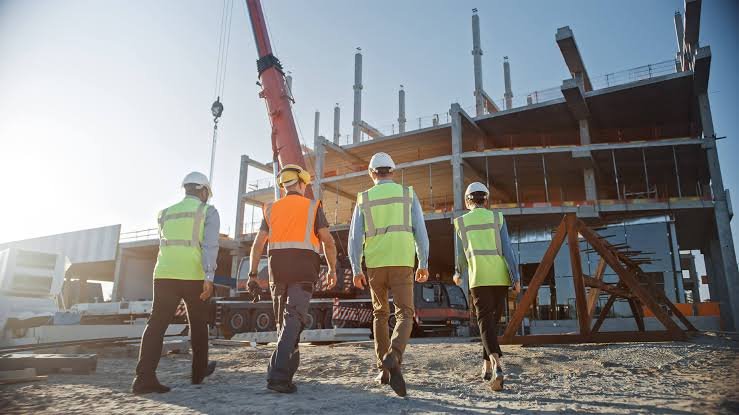
A good building should make everyday life a little easier. Doors should open where you expect them to, rooms should feel comfortable rather than cramped, and the electrical, plumbing, heating, and structural systems should quietly do their jobs in the background. When a property starts feeling inconvenient or outdated, though, it’s usually a sign that the space needs more than a fresh coat of paint.
That’s where thoughtful construction and improvement work comes in. Whether you’re updating an older house, preparing a business property for new tenants, or changing the layout of a home, the best projects start with a simple question: what needs to work better?
It sounds obvious, but it’s surprisingly easy to lose sight of that once budgets, materials, schedules, and design ideas enter the picture.
Start With How the Space Is Used
Before choosing finishes or drawing up plans, spend some time thinking about how people actually use the property. A beautiful kitchen isn’t particularly useful if there’s nowhere to put small appliances. An impressive office may still feel frustrating if employees have to walk across the entire building to access meeting rooms or storage.
For a residential property, everyday routines are often the best guide. Think about where shoes pile up, where groceries are unloaded, how children move through the house, or where everyone naturally gathers in the evening.
Those details might not appear in an architectural rendering, but they matter. Good design isn’t only about appearance. It’s about reducing small annoyances that eventually become part of daily life.
Function Should Come Before Trends
Home and building trends change quickly. One year, an open floor plan is everywhere. A few years later, homeowners may want more separation between spaces. Certain materials become fashionable, then suddenly seem dated.
That doesn’t mean you should ignore current design ideas. Just don’t let a trend make the decision for you.
Durable materials, practical layouts, good lighting, adequate storage, and efficient systems tend to remain useful regardless of what’s popular on social media. If you like a particular style, bring it into the project in ways that can age gracefully.
There’s something comforting about a space that looks current without feeling like it was designed specifically for one year.
Planning a Business Property Is Different
A commercial property has another layer of considerations because the building needs to support a business. Customer experience, employee comfort, accessibility, safety, workflow, energy use, and future expansion can all influence the project.
A retail store, restaurant, medical office, and warehouse won’t have the same requirements. Even two businesses in the same industry may need completely different spaces.
For that reason, commercial improvement work should begin with a clear understanding of operations. Where do customers enter? How does inventory move? Where do employees spend most of their time? Are there areas that regularly create bottlenecks?
Answering those questions early can prevent expensive changes later.
Older Buildings Often Need More Attention
Older properties have character, but they can also hide surprises. Behind a wall that looks perfectly ordinary, you might find outdated wiring, damaged plumbing, insufficient insulation, or structural concerns.
This doesn’t mean every older building needs to be completely rebuilt. It simply means the existing conditions should be understood before major work begins.
An inspection can help identify potential issues early. In some cases, what looks like a cosmetic project turns out to require system upgrades. That’s frustrating when discovered halfway through construction, but much less frustrating when discovered during planning.
A little investigation upfront usually beats an unpleasant surprise after the walls are open.
Remodeling Can Be More Than Making Things Look New
People often think of remodeling as a visual upgrade: new cabinets, flooring, countertops, paint, fixtures. Those improvements certainly matter, but a successful remodel can do much more.
It can improve circulation, add storage, increase natural light, make a bathroom easier to use, create a better kitchen workflow, or turn an underused room into something genuinely useful.
For example, removing a poorly positioned wall might make a small home feel larger. Moving a doorway could improve furniture placement. Adding built-in storage might eliminate years of clutter.
The most valuable changes aren’t always the ones that photograph best. Sometimes they’re the improvements you stop noticing because they simply make the space work.
Don’t Forget Energy Efficiency
Construction and improvement projects are also opportunities to reduce long-term operating costs. Better insulation, efficient windows, upgraded lighting, modern HVAC equipment, and improved sealing can all contribute to a more comfortable building.
Energy efficiency doesn’t have to mean installing every available technology. Start with the basics. If a property loses conditioned air through poorly sealed openings, adding an expensive system won’t solve the underlying problem.
A professional assessment can help prioritize improvements based on the building’s condition and the owner’s goals. Sometimes a handful of relatively straightforward upgrades can make a noticeable difference.
Good Communication Keeps Projects Moving
Even a well-designed project can become stressful when communication is poor. Homeowners and property owners should know what work is being performed, what stage the project has reached, and whether anything has changed.
Before work starts, discuss the scope, materials, estimated timeline, payment schedule, and responsibilities. Ask how unexpected conditions will be handled. No one wants surprises, but buildings occasionally have a way of producing them.
Clear communication doesn’t mean everything will go perfectly. It means problems can be addressed before they grow.
And yes, there will probably be a moment when you wonder why you ever decided to start the project. That’s practically part of the process. The important thing is having a team that communicates rather than disappears when something gets complicated.
Quality Materials Matter, But Installation Matters Too
A premium product won’t perform as expected if it’s installed poorly. This is especially true for systems that affect safety, weather resistance, energy efficiency, or structural performance.
When comparing contractors or construction professionals, don’t focus only on the material brands they mention. Ask about experience, workmanship, warranties, permits where applicable, and how the finished work will be inspected.
References and previous projects can also tell you a lot. Look for work similar to yours rather than judging a contractor solely on a polished website or a handful of impressive photographs.
Think Beyond the Finish Line
A building project shouldn’t end with the final inspection and a sweep of the floor. Think about maintenance, accessibility, future repairs, and how the property might need to change over time.
If you’re renovating a home, leave practical access to important systems. If you’re improving a business property, consider whether the layout can accommodate future equipment or changing operations.
A little flexibility today can save considerable money later.
The Best Spaces Feel Natural
The strongest construction projects aren’t necessarily the most extravagant ones. They’re the spaces where everything seems to make sense.
You know where to walk. You have enough storage. The lighting feels right. The temperature stays comfortable. A business can operate without constantly fighting its own layout. A home supports the people living in it instead of making them adapt to awkward design decisions.
That’s ultimately what thoughtful building work is about. Not simply creating something newer, bigger, or more fashionable, but creating a space that fits real life.
Because when the planning is done well, the finished result doesn’t need to shout for attention. You just notice that life feels a little easier there — and honestly, that’s a pretty good measure of success.