When Water Quality Changes, Knowing What to Check Can Make All the Difference
Water has a funny way of becoming invisible in our daily lives. We turn on a tap, fill a glass, start the…
Water has a funny way of becoming invisible in our daily lives. We turn on a tap, fill a glass, start the dishwasher, take a shower, and move on. Most of the time, that’s exactly how it should be. But when water starts tasting different, leaves marks on fixtures, smells unusual, or seems to affect appliances, it gets your attention pretty quickly.
The tricky part is that not every water problem is obvious. Some issues can be seen, while others are completely invisible. A clear glass of water can still contain dissolved minerals or other substances that affect its quality. That’s why good water care begins with understanding what’s actually in the supply rather than guessing based on appearance alone.
Start by Finding Out What’s Really Going On
When homeowners notice a water issue, the first instinct is often to buy a filter. It seems straightforward enough. But a filter designed for sediment won’t solve every mineral problem, and a softener isn’t intended to remove every possible contaminant.
This is where water testing becomes such a useful first step. Testing can provide information about hardness, pH, dissolved minerals, and other characteristics that may influence which treatment approach makes sense. Instead of treating the symptoms, you get a better idea of the underlying issue.
It can also prevent unnecessary spending. There’s little point in installing equipment designed for a problem your water doesn’t actually have.
Small Clues Can Tell You Quite a Lot
Your home may already be giving you hints.
White deposits around faucets often point toward mineral buildup. A metallic taste or staining can sometimes be associated with iron. Persistent sediment may indicate particles entering the water supply. An unusual odor could have several possible causes, depending on the source and plumbing system.
None of these signs should automatically lead to a specific diagnosis. Water chemistry is more complicated than that. Still, they’re worth paying attention to, especially if the change is sudden.
Even appliances can act like unwilling detectives. A water heater that develops scale more quickly than expected, for example, may be telling you something about the water flowing through it.
Treatment Equipment Should Match the Problem
Once water characteristics are understood, treatment becomes much more straightforward.
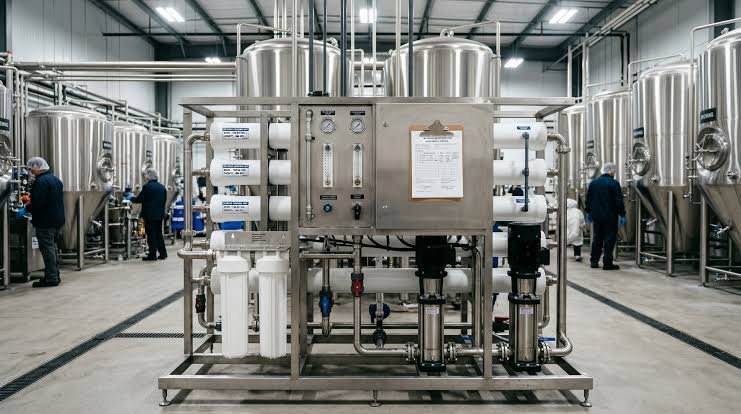
Hard water may call for a softening system. Sediment may require filtration. Certain dissolved substances may be better addressed through reverse osmosis or another specialized process. In some homes, a combination of technologies is appropriate because there isn’t just one issue to deal with.
The important thing is matching the equipment to the actual need.
Oversized systems can cost more to install and operate without necessarily providing better results. Undersized equipment can struggle to keep up with demand. A properly selected system sits somewhere in the middle — capable enough for the property but not needlessly complicated.
Older Systems Aren’t Always Bad Systems
A treatment system that’s been installed for years isn’t automatically due for replacement.
Sometimes the basic equipment is still perfectly capable of doing its job. The problem may simply be worn components, outdated settings, reduced capacity, or neglected filters. In those situations, system upgrades can be a smarter choice than starting from scratch.
An upgrade might involve replacing a control valve, improving filtration stages, adding monitoring features, or changing components that have reached the end of their useful life.
Of course, replacement makes more sense when equipment is consistently failing, difficult to service, or no longer suited to the property’s water demand. The point is to assess the system honestly rather than assuming age alone tells the whole story.
Water Pressure Deserves Attention Too
People often focus on water quality and forget about water pressure.
A treatment system needs sufficient flow to work properly. If pressure becomes unusually low, the cause might be somewhere in the plumbing, a clogged filter, a malfunctioning component, or another issue that needs investigation.
Replacing equipment without finding the reason for low pressure can be a costly exercise in frustration.
It’s also worth remembering that different treatment technologies have different flow requirements. A system should be selected with actual household or commercial usage in mind, including peak demand. Nobody wants to discover that their “solution” makes it difficult for someone to take a shower while the washing machine is running.
Maintenance Is Easy to Ignore — Until It Isn’t
Once a water treatment system is installed and working, it’s tempting to forget about it. Life gets busy. Filters don’t exactly send birthday reminders.
But ongoing maintenance plays a major role in keeping treatment equipment effective. Filters may need regular replacement. Salt-based systems need appropriate salt levels and periodic checks. Reverse osmosis systems can require membrane and pre-filter servicing. Connections, tanks, valves, and controls may also benefit from inspection.
A maintenance schedule doesn’t have to be complicated. Keep track of when filters were changed, when the system was inspected, and whether you noticed any unusual changes in water pressure, taste, or appearance.
That little bit of organization can make troubleshooting much easier later.
Don’t Wait for a Major Failure
One of the most expensive mistakes with household equipment is waiting until something stops working completely.
A filter that gradually becomes clogged might first cause reduced pressure. A softener that isn’t regenerating properly might show signs through returning scale. A treatment unit with worn components may become less efficient before it fails altogether.
Paying attention to these early signs can help prevent bigger problems.
The same principle applies to commercial properties, where treatment equipment may support kitchens, manufacturing processes, hospitality operations, or other water-intensive activities. A small issue can become disruptive when the equipment is used constantly.
Professional Advice Can Be Worth It
There’s plenty of information online about water treatment, and much of it is useful. But general advice can’t account for every property’s plumbing, water source, usage pattern, and existing equipment.
A qualified professional can evaluate the water, inspect the current setup, explain possible treatment options, and help determine whether repair, upgrading, or replacement makes the most sense.
Good advice should also include the less exciting details: maintenance requirements, replacement parts, operating costs, expected service life, and what happens if the system develops a problem later.
Those details matter just as much as the equipment itself.
Better Water Usually Starts With Better Information
Water treatment doesn’t need to be mysterious. In fact, the process becomes much easier when you stop guessing and start looking at evidence.
Test the water. Pay attention to changes. Understand what your current equipment is designed to do. Upgrade only where it genuinely improves performance, and keep up with the routine care that protects the investment.
There may not be a dramatic moment when everything suddenly changes. Often, good water treatment is much quieter than that. The faucets stay cleaner. Appliances run more reliably. The water tastes better. Problems that used to keep coming back simply don’t.
And really, that’s the goal — not having to think about your water quite so much because you know the system behind it is doing its job.