When Your Well Water Changes, Start by Finding Out Why
There’s something comforting about having your own well. You’re not depending on a municipal water line, and in many homes, that private…

There’s something comforting about having your own well. You’re not depending on a municipal water line, and in many homes, that private water source has been doing its job quietly for years. Then one morning the water tastes different. Maybe it smells slightly metallic, leaves a stain in the sink, or looks cloudy for a few seconds after the tap is turned on. It’s easy to shrug it off. Water is water, right?
Not quite.
Private wells can be remarkably reliable, but the quality of their water can change with the seasons, groundwater conditions, plumbing, or even activity happening nearby. The important thing is not to panic — and not to guess. Understanding what is actually in the water is the first step toward fixing the problem.
Your Well Water Has Its Own Personality
Unlike treated municipal water, private well water isn’t managed by a local utility on a day-to-day basis. What comes out of the faucet reflects the groundwater beneath your property and the condition of your well and plumbing system.
That can mean considerable variation. One home may have naturally hard water loaded with calcium and magnesium. Another may struggle with iron that creates orange stains around fixtures. Some wells develop sulfur odors, while others may have elevated levels of minerals or other contaminants that aren’t obvious from taste or appearance.
This is why well water treatment isn’t a one-size-fits-all job. A system that works beautifully for your neighbor might do very little for your water. The treatment has to match the actual issue.
And sometimes, what looks like a water problem isn’t really a water problem at all. A failing pressure tank, old plumbing, or damaged well component can create symptoms that deserve attention.
Don’t Judge Water by Its Appearance
Clear water can still contain substances you don’t want in your drinking supply. On the other hand, water that looks slightly cloudy isn’t automatically dangerous.
That’s why relying on sight, smell, or taste alone can be misleading.
For example, iron may produce obvious reddish stains, but other concerns aren’t visible at all. Bacteria and certain dissolved substances can be present without changing the water’s appearance. You can’t reliably identify those issues by filling a glass and holding it up to the light.
Regular testing gives you something much more useful than guesswork: information.
Testing Is the Smart Starting Point
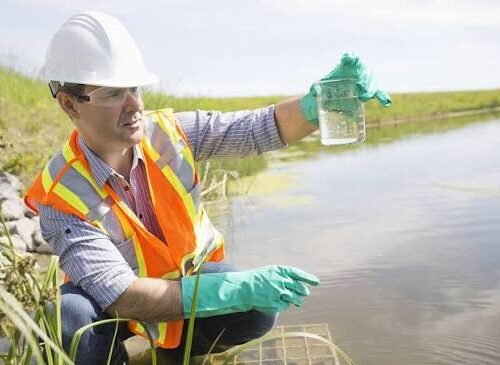
For homeowners with private wells, in-home water testing can provide a convenient way to understand basic water-quality concerns. Testing can help identify factors such as pH, hardness, iron, manganese, bacteria, nitrates, and other substances depending on the type of test being performed.
The important detail is choosing appropriate testing rather than ordering a random kit and assuming it covers everything. Different water sources have different risks, and local conditions can influence what should be checked.
It’s also wise to test after certain events, such as flooding, changes in taste or odor, well repairs, or other circumstances that could affect the water supply. If someone in the household becomes unexpectedly ill, professional guidance and appropriate laboratory testing are especially important rather than relying on a basic home kit.
Think of testing as a health check for your water system. You’re not testing because something must be wrong. You’re testing because knowing is better than wondering.
Hard Water Can Wear You Down
Hard water is one of those problems that usually announces itself slowly. At first, you notice spots on glasses. Then soap seems harder to rinse away. Eventually, mineral scale starts appearing around faucets and inside appliances.
The primary culprits are calcium and magnesium. They aren’t necessarily a serious drinking-water concern at ordinary levels, but they can be tough on plumbing and household equipment.
A properly sized softener can reduce these minerals and make everyday cleaning easier. But don’t assume softness is always the answer. If your water contains iron, sulfur, sediment, or other contaminants, additional treatment may be necessary.
The right approach depends on what the testing shows.
Some Problems Need Specialized Treatment
Water treatment becomes more complicated when several issues occur at once. Imagine water that is hard, contains iron, and has a noticeable sulfur smell. Installing a basic softener and hoping for the best probably isn’t the ideal plan.
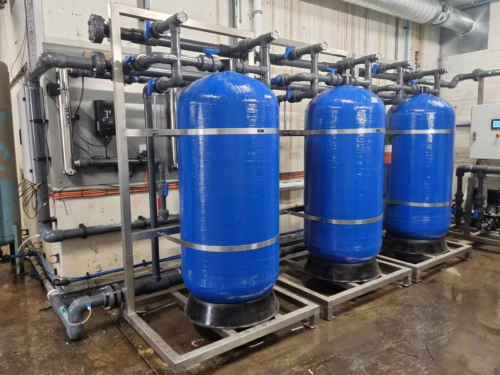
Specialized problem water treatment is designed for situations where ordinary filtration or softening doesn’t address the underlying issue. Depending on the water chemistry, treatment may involve oxidation, filtration media, carbon filtration, ultraviolet disinfection, reverse osmosis, or combinations of technologies.
The sequence matters, too. A sediment filter might be installed before another treatment stage to protect downstream equipment. Iron removal may need to happen before softening. Drinking water may receive additional treatment at a kitchen faucet.
It’s less about buying more equipment and more about putting the right equipment in the right place.
Don’t Forget the Well Itself
Homeowners sometimes focus entirely on the water and overlook the structure supplying it.
A well should be inspected periodically, particularly if you’ve noticed sudden changes in water quality. The well cap, casing, surrounding ground, pressure equipment, and other components all play a role in protecting the water supply.
Keep potential contamination sources away from the well area where possible. Poor drainage, flooding, damaged components, and nearby activities can create pathways for unwanted substances to enter the system.
If water quality changes suddenly, don’t automatically assume you simply need a stronger filter. Find out whether something changed upstream.
Maintenance Is Part of the Solution
A water-treatment system isn’t a set-it-and-forget-it appliance.
Filters eventually become loaded with sediment. Treatment media can require replacement or regeneration. Ultraviolet systems need appropriate lamp maintenance. Reverse osmosis membranes don’t last forever. Even a well-designed system can perform poorly if routine service is ignored.
Keeping records helps. Write down when filters were replaced, when the water was tested, and when equipment was serviced. It sounds a little obsessive, perhaps, but six months later you’ll be glad you did.
Regular maintenance also makes it easier to spot patterns. If iron levels suddenly rise or filters become clogged much faster than usual, that information can point toward a developing problem.
The Best Treatment Is Based on Evidence
There’s a temptation to search for the “best” well filter or the strongest treatment system and call it done. But water doesn’t work that way.
The best solution is the one that addresses your specific water chemistry, household needs, and equipment setup. Testing provides the evidence. A professional evaluation can then turn that information into a sensible treatment plan.
And remember, more filtration isn’t automatically better. Over-treating water can add unnecessary expense, maintenance, and complexity. Good water treatment is usually targeted, not excessive.
Your well has probably been serving your home quietly for years. Give it the same thoughtful attention you’d give any other important part of the house. If the water changes, investigate. If you’re unsure, test it. And if a real problem turns up, deal with the cause rather than simply masking the symptoms.
Clean, dependable water shouldn’t be something you have to think about every morning. With the right information and a little regular care, it can go back to being exactly that — something you simply turn on and trust.