Understanding the Right Water Treatment for Your Home
There’s something easy to overlook about household water: we use it constantly, yet we rarely stop to think about what’s actually in…
There’s something easy to overlook about household water: we use it constantly, yet we rarely stop to think about what’s actually in it. We drink it, cook with it, shower in it, wash clothes with it and send it through appliances every single day. When everything seems normal, water disappears into the background. But strange tastes, mineral buildup, cloudy glasses or stubborn stains can quickly bring it back into focus.
Choosing the right treatment doesn’t have to become a complicated project. The trick is understanding what your water needs before deciding what equipment belongs in your home. A family using municipal water may have very different concerns from someone relying on a private well. Likewise, a problem affecting drinking water isn’t always the same problem affecting showers, laundry or plumbing.
Start With a Water Test
Before investing in treatment equipment, it makes sense to find out what you’re dealing with. A professional water test can reveal information that isn’t obvious from appearance or taste alone. Depending on the water source, testing may look at hardness, iron, manganese, sediment, pH, minerals and other potential concerns.
That information gives homeowners a much better starting point. Instead of buying equipment because it worked for a friend or because an advertisement promised a miracle, you can choose a solution based on actual conditions. It sounds obvious, but this simple step can prevent a lot of wasted money.
Understanding Reverse Osmosis
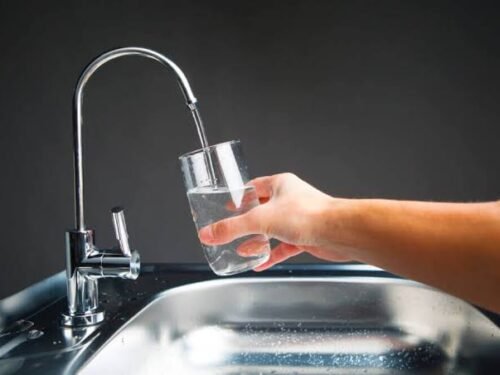
For drinking and cooking water, reverse osmosis is one treatment method worth understanding. The process uses pressure to push water through a specialized semipermeable membrane, helping reduce many dissolved substances that conventional filtration may not remove.
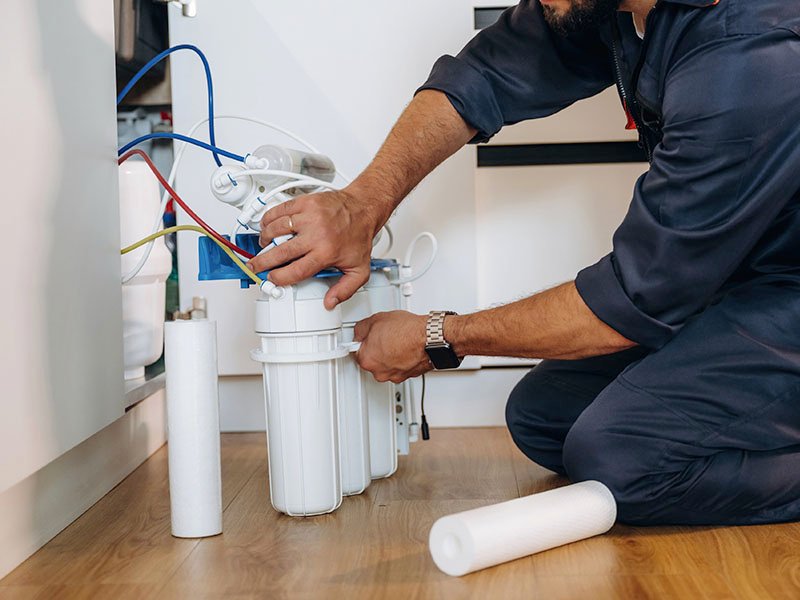
It is commonly used as a point-of-use system, often installed beneath a kitchen sink. That’s useful when the primary goal is improving water for drinking, coffee, cooking and other food-related uses rather than treating every gallon entering the house. Of course, reverse osmosis isn’t automatically the best answer for every household. Its effectiveness depends on the quality of the incoming water and what you’re trying to remove.
A good system may also include prefilters and post-treatment components. Those parts aren’t just extras. They can protect the membrane, improve taste and help the system perform properly over time.
When the Whole House Needs Attention
Sometimes the problem goes well beyond the kitchen faucet. If hard water is leaving deposits on shower fixtures, damaging the appearance of glass doors and making laundry feel different, treating only the drinking tap won’t solve the bigger issue.
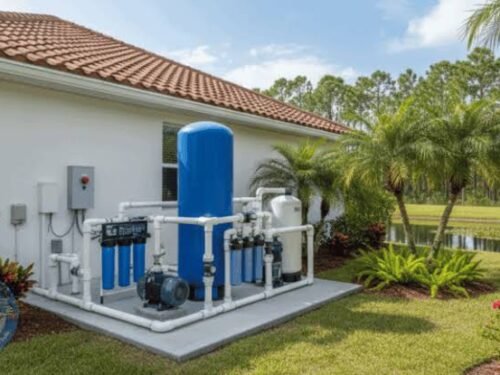
That’s when whole home treatment can become a more practical approach. Instead of focusing on one faucet, a whole-house setup treats water as it enters the property, depending on the equipment selected. This can address issues affecting bathrooms, appliances, laundry and plumbing throughout the home.
The exact configuration depends on the water quality. Some properties may benefit from softening, while others need sediment filtration, carbon filtration or specialized treatment media. There isn’t one universal setup, and that’s actually a good thing. Treatment can be designed around the household instead of forcing every home into the same package.
Well Water Has Its Own Personality
Private wells can be wonderfully convenient, but well owners also have more responsibility for understanding their water. Unlike a centralized municipal supply, a private well can be influenced by local geology, groundwater conditions, nearby land use and seasonal changes.
Some well owners notice iron staining around sinks or toilets. Others deal with sulfur-like odors, sediment or hardness. These aren’t problems you should simply learn to live with, particularly when they affect daily life or raise questions about water quality.
Effective well water treatment begins with testing. Once the characteristics of the water are understood, treatment equipment can be selected more intelligently. Depending on the results, that might mean filtration, softening, oxidation, disinfection or another specialized solution.
Don’t Ignore Hard Water
Hard water is one of the most common complaints homeowners encounter. It can leave white deposits on faucets and showerheads, make soap harder to rinse away and gradually create scale inside water-using appliances.
The good news is that hardness is usually straightforward to identify through testing. A water softener can reduce calcium and magnesium, which are primarily responsible for hardness. This can make everyday cleaning easier and help reduce mineral accumulation.
Still, it’s important to remember that hardness is only one piece of the puzzle. If your water also contains sediment, iron or an unpleasant odor, softening alone won’t necessarily address those concerns. This is why a complete water analysis is more useful than guessing based on one symptom.
Think About Maintenance Before Installation
A treatment system isn’t a set-it-and-forget-it appliance. Filters need replacement, tanks may require servicing and certain systems need periodic checks to maintain performance.
Ask about maintenance before purchasing anything. How frequently are filters changed? What does replacement media cost? Does the system require electricity? How much water does it use during regeneration or cleaning? What happens if a component stops working?
These aren’t boring questions. They’re the questions that become important six months later when the novelty of the installation has worn off.
Bigger Isn’t Always Better
Water treatment can become unnecessarily complicated when homeowners assume more equipment automatically means better water. In reality, unnecessary treatment can increase maintenance and operating costs without providing meaningful benefits.
A better strategy is to identify the specific concerns first. If drinking water is the priority, point-of-use treatment may be enough. If hardness affects the entire property, whole-house softening may make more sense. If you’re dealing with well water, specialized filtration could be necessary.
The best system is usually the one that solves the actual problem without creating three new ones.
Make the Decision With the Long Term in Mind
Good water treatment should make life easier, not more complicated. It should fit the home’s water source, usage patterns and maintenance expectations. It should also leave room for future changes, especially if water quality shifts over time.
For homeowners, the process doesn’t need to feel overwhelming. Test the water. Understand the results. Ask practical questions. Compare equipment based on performance and ongoing costs rather than flashy features. And don’t be afraid to get professional advice when the situation is unfamiliar.
In the end, water treatment is less about chasing perfect water and more about getting water that works well for your household. When the right treatment is matched to the right problem, the difference can be surprisingly noticeable — cleaner fixtures, better-tasting drinking water, fewer maintenance headaches and a little more confidence every time you turn on the tap.