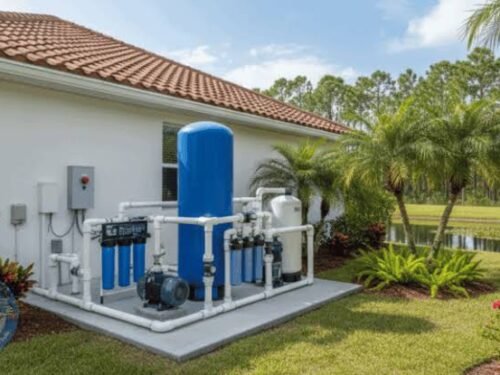
Building the Utility Connections That Keep New Projects Moving
A new building can look finished long before it is truly ready for people to use. The walls may be painted, the…
A new building can look finished long before it is truly ready for people to use. The walls may be painted, the doors installed, and the landscaping starting to take shape, yet something just as important is happening underground and behind the scenes. Water, sewer, electricity, gas, communications, and other essential services all need to connect properly before a property can function the way it was intended.
Utility work doesn’t always get the attention that architectural details receive, but it can have a huge effect on a project’s schedule and budget. A missed permit, an incorrect connection point, or poor coordination with a utility provider can create delays that ripple through the entire construction process.
Planning Starts Earlier Than Most People Think
Utility connections should ideally be considered during the early planning stages, not when the building is almost complete. Before excavation begins, project teams need to understand what services are available, where existing lines are located, and what will be required to connect the property.
Site plans, utility maps, surveys, engineering documents, and local requirements all play a role. In some cases, existing infrastructure may be close to the property but still lack the capacity needed for a new development.
That early investigation can prevent an expensive surprise later. It’s much easier to adjust a plan on paper than to redesign underground infrastructure after concrete has been poured.
For residential developments and individual properties, new construction utility hookups require careful coordination between builders, utility providers, engineers, and local authorities. Timing matters, too. Even a straightforward connection can involve applications, inspections, scheduling, and site preparation before the final service is activated.
Underground Work Deserves Serious Attention
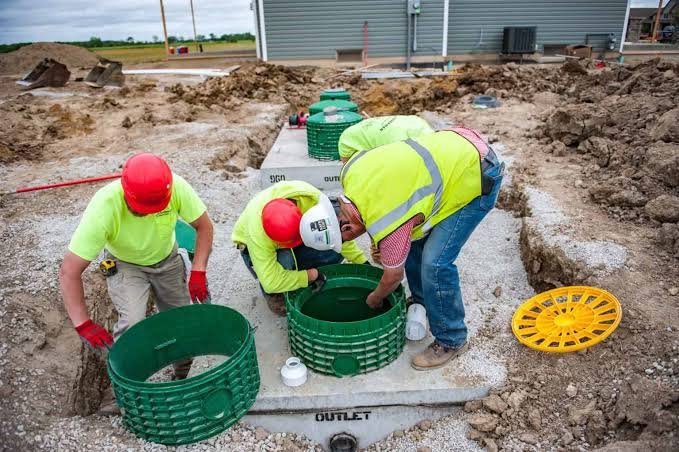
A surprising amount of construction activity happens where nobody will ever see it. Trenches are opened, pipes are installed, conduits are placed, and connections are tested before everything gets covered again.
Once underground infrastructure disappears beneath soil, asphalt, or landscaping, correcting an installation problem becomes considerably harder. That’s why depth, routing, materials, drainage, accessibility, and separation between different utilities need to be considered before backfilling.
Good documentation is useful here. Future property owners or maintenance crews may need to know where utility lines run years after construction has ended. A clear record of installed infrastructure can save hours of searching and unnecessary excavation.
Commercial Projects Bring More Complexity
A small residential connection and a large commercial development are two very different jobs. Commercial properties often have higher demand, more complicated layouts, larger service requirements, and stricter coordination between multiple trades.
A shopping center, office building, warehouse, hotel, or industrial facility might require several utility systems to be installed simultaneously. Each one can have its own technical specifications, approvals, inspections, and scheduling requirements.
That is where commercial utility construction becomes more than simply laying pipes or connecting cables. It involves managing an interconnected system while keeping the broader construction schedule moving. A delay in one area can affect paving, building access, equipment installation, or even the opening date.
Communication becomes especially important. Contractors, engineers, utility companies, property owners, and municipal departments need to know what is happening and when. Otherwise, small misunderstandings can quickly become expensive problems.
Utility Capacity Matters as Much as Connection
It isn’t enough to know that a utility exists nearby. The available capacity has to match the project’s needs.
A growing business may require significantly more electrical service than the previous property used. A new residential development may place additional demand on water and sewer infrastructure. An industrial facility could have specialized requirements that simply aren’t supported by the existing network.
Capacity questions should therefore be addressed early. Engineers and utility providers may need to evaluate existing infrastructure and determine whether upgrades, transformers, larger mains, additional equipment, or other improvements are necessary.
This is one of those areas where planning can feel slow at first but ultimately saves time. Nobody wants to discover halfway through construction that the nearby utility network can’t support the completed project.
Permits and Inspections Are Part of the Process
Utility work often involves several layers of regulatory approval. Requirements vary depending on the location, utility type, property use, and scope of construction.
Permits may be needed before excavation or installation begins. Inspections can also be required at different stages, particularly before underground work is covered. Missing one of these steps may mean reopening completed areas, rescheduling crews, or waiting for another inspection window.
Keeping a project organized helps. A simple checklist of applications, approvals, inspections, utility contacts, and required documentation can prevent important details from slipping through the cracks.
It may sound administrative, but paperwork can have a very real effect on construction schedules.
When Problems Can’t Wait
Not every utility issue happens during a planned construction project. Lines can break. Electrical systems can fail. Storms, excavation accidents, equipment problems, and aging infrastructure can create situations where immediate action is necessary.
In these moments, emergency services can help reduce downtime and limit the potential for additional damage. The first priority is usually safety and stabilization. Once the immediate problem is controlled, professionals can determine what caused the failure and what permanent repair may be needed.
For businesses, a utility emergency can be especially disruptive. A water leak may affect inventory or equipment. A power issue can interrupt operations. A damaged sewer connection can create sanitation concerns. Acting quickly doesn’t necessarily eliminate every consequence, but it can keep a bad situation from becoming worse.
Coordination Is Often the Hidden Key
One of the biggest challenges in utility construction isn’t the physical installation itself. It’s coordination.
Imagine an electrical crew scheduling work in an area where another contractor hasn’t finished underground plumbing. Or consider a paving crew arriving before utility inspections are complete. These situations can lead to rework, idle crews, and unnecessary costs.
A strong project schedule should account for utility milestones alongside the rest of construction. Utility providers may also have their own scheduling constraints, which means their involvement should be built into the timeline rather than treated as an afterthought.
Regular communication helps everyone stay on the same page. Sometimes a short meeting or phone call can prevent a week of confusion.
Thinking Beyond the Construction Phase
Utility infrastructure should be built with future maintenance in mind. Accessible shutoffs, properly documented lines, durable materials, and sensible routing can make future repairs much easier.
Property owners should also keep copies of utility plans and inspection records. Over time, buildings change. Additions are made, equipment is upgraded, and new tenants move in. Knowing what exists beneath the property provides a valuable starting point for future work.
Ultimately, successful utility construction is about more than getting services turned on. It’s about creating infrastructure that works reliably, meets current requirements, and leaves the property prepared for what comes next.
A finished building may be what people notice first, but dependable utilities are what make that building usable. Careful planning, practical communication, and experienced coordination can make the difference between a project that simply gets completed and one that continues working well long after the construction crews have left.