Finding a Water Treatment System That Actually Fits Your Home
Water has a funny way of becoming part of the background until it starts causing trouble. You notice it when the shower…

Water has a funny way of becoming part of the background until it starts causing trouble. You notice it when the shower door looks cloudy five minutes after cleaning it, when the coffee tastes slightly different, or when the faucet develops those stubborn mineral rings that seem to return overnight. Sometimes the problem is obvious. Other times, it takes a little detective work.
The important thing is not to assume every water problem needs the same solution. Water chemistry can vary considerably between homes, and a treatment method that works beautifully for one household might do very little for another. The smarter approach is to understand the water first, then choose equipment around the actual problem.
Pay Attention to What Your Water Is Telling You
Taste and appearance can offer clues, but they don’t tell the whole story. Water may look perfectly clear while containing dissolved minerals or other substances that affect its quality. On the other hand, cloudy water may simply contain harmless air bubbles.
That’s why testing is such a useful starting point. A quality water analysis can identify characteristics such as hardness, pH, iron, sediment, and other potential concerns. Once you know what you’re dealing with, the equipment conversation becomes much easier.
It also helps prevent a common mistake: buying an expensive system simply because it sounds powerful. More technology doesn’t necessarily mean better results.
Some Water Problems Need More Specialized Treatment
A basic filter can handle certain particles and improve taste, but some situations call for a more targeted approach. For example, homeowners may have concerns involving iron, sulfur odors, unusual mineral levels, or specific contaminants that ordinary carbon filtration isn’t designed to address.
This is where specialty filtration systems can become useful. Rather than relying on a one-size-fits-all filter, specialized equipment can be selected around particular water characteristics.
The key word is “selected.” Specialized treatment isn’t something to choose randomly from a catalog. Testing and professional guidance can help determine whether the technology is actually appropriate for the water entering your home.
Hard Water Doesn’t Have to Be a Daily Battle
If you’ve ever scrubbed a white crust from a showerhead, you already know how irritating hard water can be. Calcium and magnesium are responsible for most water hardness, and while they’re naturally occurring minerals, they can leave deposits on plumbing fixtures and appliances.
Traditional water softening can reduce these minerals, but not every homeowner wants a conventional salt-based system. Some people are concerned about salt use, maintenance, or the space required for equipment.
For those households, salt-free water systems may be worth considering. These systems are generally designed to condition water and reduce the effects of scale rather than remove hardness minerals in the same way a conventional ion-exchange softener does.
That distinction is worth understanding before making a purchase. “Salt-free” doesn’t automatically mean “softened.” It means the treatment works differently, so expectations should match what the technology is designed to accomplish.
Well Water Deserves Its Own Conversation
Private wells can provide excellent water, but they also come with responsibilities that municipal-water customers may not face. Well water chemistry can change because of groundwater conditions, nearby land use, seasonal changes, plumbing, or naturally occurring minerals.
Homeowners may encounter concerns such as iron staining, sulfur smells, sediment, hardness, or bacteria. Not every well has these issues, of course, but testing is particularly important because there isn’t a city treatment plant continuously monitoring the water before it reaches your home.
Well water systems should therefore be designed according to the results of an appropriate water test. Depending on those results, treatment might involve sediment filtration, iron removal, disinfection, softening, or other technologies.
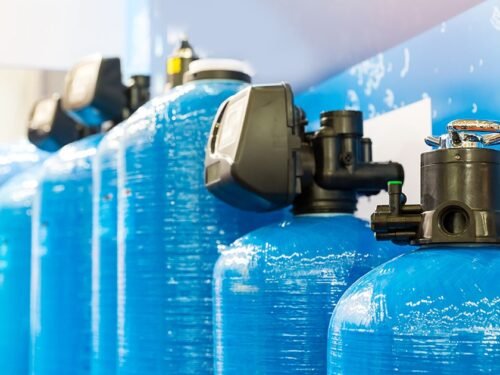
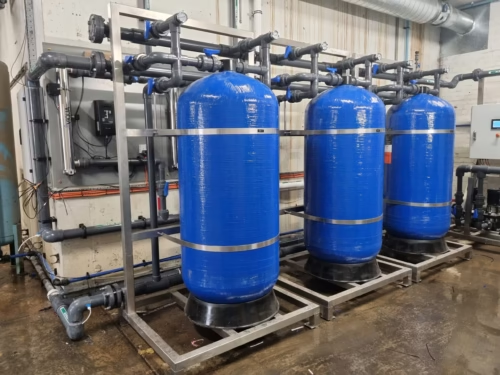
A well treatment setup can look complicated at first, but each component should have a specific job. If you can’t explain what a tank, filter, or treatment stage is supposed to do, it’s probably worth asking more questions.
Think About the Entire Plumbing System
Another mistake is focusing only on drinking water. Your home’s water travels through every fixture, appliance, and pipe. A treatment solution installed at a single kitchen faucet can improve water for drinking and cooking, but it won’t address water flowing through the rest of the property.
On the flip side, whole-house treatment isn’t always necessary. If the only concern is taste or odor at the kitchen sink, a point-of-use system may be more practical and less expensive.
Think about where the problem actually occurs. Does it show up at every tap? Only in the kitchen? Mostly with hot water? Is there staining on laundry, fixtures, or bathroom surfaces?
Those details can help narrow down the cause.
Installation Quality Matters More Than Most People Expect
Even good equipment can perform poorly when it’s installed incorrectly. Water treatment systems have flow-rate requirements, plumbing connections, drainage considerations, and space requirements.
An installer should also consider future maintenance. Can filters be changed without dismantling half the system? Is there enough room to access valves and tanks? Is the equipment positioned somewhere practical if a service technician needs to work on it later?
These aren’t glamorous questions, but they’re the kind that matter six months after installation.
A clean installation should make ownership easier, not turn routine maintenance into a chore.
Don’t Forget About Ongoing Maintenance
Every treatment system has some form of upkeep. Filters need replacing. Components need inspection. Some equipment requires periodic cleaning or sanitation. Well owners may also need regular water testing to make sure treatment continues to address changing conditions.
Ignoring maintenance can quietly reduce performance. You might notice lower pressure, unpleasant taste, reduced flow, or recurring staining and assume the system has failed. Sometimes the explanation is much simpler: a filter is overdue for replacement.
Before buying, ask about the maintenance schedule and ongoing costs. Knowing those numbers ahead of time makes budgeting much easier.
The Right System Is the One That Solves Your Actual Problem
Water treatment isn’t really about owning the most sophisticated equipment. It’s about getting the right result without creating unnecessary expense or complexity.
Start with testing. Pay attention to the symptoms you’re seeing. Think about how your household uses water, and be honest about how much maintenance you’re willing to handle. If you’re dealing with well water, treat that as a separate consideration rather than assuming a standard residential filter will be enough.
Most importantly, don’t let marketing language make the decision for you. A system should have a clear reason for being there.
When treatment is chosen thoughtfully, the benefits become surprisingly noticeable in everyday life: cleaner fixtures, better-tasting water, fewer frustrating deposits, and greater confidence in what comes from the tap. That’s the real goal—not a basement full of equipment, but water that quietly does its job the way it should.