What Your Water Is Telling You: A Practical Guide to Better Home Water Quality
Water has a way of revealing problems slowly. A faint metallic taste, orange stains around the sink, or a shower that never…
Water has a way of revealing problems slowly. A faint metallic taste, orange stains around the sink, or a shower that never quite feels refreshing can seem like minor annoyances at first. Then the same issues keep showing up, and you start wondering whether the water entering your home is really suitable for everything you use it for.
For households that rely on private wells or face specific water quality concerns, understanding treatment options is especially important. There isn’t one universal solution that fixes every issue. The right approach depends on what’s in the water, how much water your household uses, and what you want the treatment system to accomplish.
Why Every Water Supply Needs a Different Approach
Water quality varies for several reasons. Municipal water is treated and monitored through a public supply system, while private well water comes directly from groundwater and may be influenced by surrounding soil, rock, agricultural activity, or nearby septic systems. Even two wells located relatively close to one another can have different characteristics.
Some concerns are easy to notice. Hardness may leave scale on fixtures, while iron can cause staining and unpleasant taste. Other contaminants, including certain bacteria, nitrates, or volatile organic compounds, may not produce any obvious warning signs. Clear water isn’t automatically clean water, and a pleasant taste doesn’t guarantee that every potential concern has been addressed.
This is why treatment decisions should begin with information rather than assumptions. A water problem needs to be identified before it can be treated properly.
What Specialty Filtration Can Do
The phrase specialty filtration generally refers to treatment designed for a particular water quality challenge rather than a basic, all-purpose filter. These systems may target sediment, iron, manganese, sulfur odors, chlorine, or other substances, depending on the technology being used.
For example, a sediment filter can help reduce suspended particles, while activated carbon may improve taste and reduce certain chemicals. Oxidizing filters can be used in some situations involving iron, manganese, or hydrogen sulfide. Other systems may use specialized media designed for a specific contaminant.
The key point is that filtration performance depends on the equipment and the water conditions. A filter that works well for sediment may do very little for dissolved nitrates. Likewise, a carbon filter shouldn’t be assumed to remove every chemical simply because it improves taste.
When considering a specialty system, look for clear information about its intended use, flow rate, maintenance needs, and independently verified performance. The more specific the water issue, the more important those details become.
Understanding Well Water Treatment
For homeowners using a private well, well water treatment often involves more than installing a single filter beneath the kitchen sink. Well water may contain naturally occurring minerals, sediment, bacteria, or contaminants introduced through nearby land use. The appropriate treatment depends on the test results and the condition of the well itself.
Hardness is a common concern. Calcium and magnesium can create scale in water heaters, plumbing, and appliances. Iron may leave reddish-brown stains, while hydrogen sulfide can produce a rotten-egg odor. In some cases, water may also carry sediment after heavy rain or changes in groundwater conditions.
Treatment options vary accordingly. A water softener may help with hardness, while iron filtration or oxidation-based systems may be considered for certain iron problems. Disinfection methods, such as ultraviolet treatment, can be useful for specific microbial concerns, but they must be selected and maintained correctly. UV systems, for instance, generally work best when water is already clear enough for the light to reach microorganisms effectively.
A whole-house setup may combine several technologies, but more equipment isn’t always better. Each component should have a clear purpose.
Why Professional Water Testing Matters
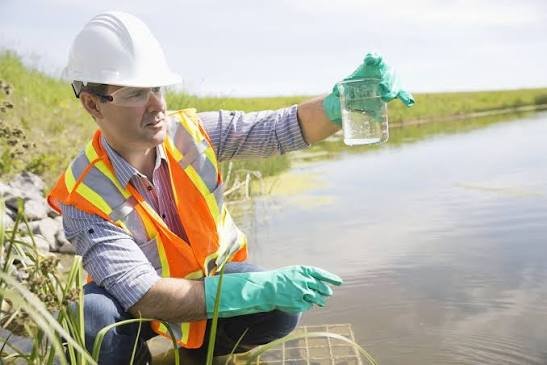
A home water test kit can be useful for basic observations, but professional water testing provides a more dependable picture when you need to make treatment decisions. Certified laboratories use established methods to analyze samples for specific contaminants and water characteristics.
For private well owners, testing may include parameters such as coliform bacteria, E. coli, nitrate, pH, hardness, iron, manganese, and other substances based on local conditions. The right testing schedule depends on the well, its surroundings, and any changes in taste, odor, or appearance.
Sample collection also matters. A poorly collected sample can produce misleading results, so it’s important to follow laboratory instructions carefully. If contamination is suspected, testing should be handled promptly, and drinking water concerns should not be dismissed simply because the water looks normal.
Testing isn’t about creating unnecessary fear. It’s about replacing guesswork with evidence. Once you know what is present and at what concentration, choosing treatment becomes much more straightforward.
Matching Treatment to the Actual Problem
One of the most common mistakes in water treatment is purchasing equipment based on a broad promise rather than a documented need. A system marketed as a complete solution may not address the specific contaminants found in your water.
Start by separating your goals. Are you trying to improve taste? Reduce scale? Remove a particular contaminant? Protect appliances? Make well water safer? These are related concerns, but they don’t always require the same equipment.
For drinking water, a point-of-use system may be enough if the issue is limited to taste or a specific dissolved contaminant. If the concern affects bathing, laundry, and every faucet, a whole-home approach may be more practical. In some cases, pretreatment is necessary to protect a more advanced filtration system from clogging or premature wear.
A qualified water treatment professional can help interpret test results and explain which technologies are appropriate. Ask for a written explanation of what the system is designed to reduce, not just a general claim that it “purifies” water.
Maintenance Should Never Be an Afterthought
Even a well-designed treatment system needs attention. Filters require replacement, treatment media may need servicing, and some equipment needs regular cleaning or regeneration. Neglecting maintenance can reduce effectiveness and increase operating costs.
Before buying, ask how often components need to be replaced and what those replacements cost. Find out whether the system requires electricity, drainage, salt, or specialized servicing. For well owners, it’s also wise to inspect the well cap, pressure tank, and surrounding area periodically, since treatment equipment cannot fully compensate for structural or environmental problems affecting the water source.
Keep records of testing and maintenance. It may seem like a small habit, but it helps identify changes over time and makes troubleshooting much easier.
Better Water Starts with Better Decisions
Water treatment doesn’t have to be confusing, but it does require a thoughtful approach. The most reliable path is to understand your water source, test for relevant concerns, and choose equipment that matches the results.
Whether the goal is reducing mineral buildup, improving taste, addressing a well water issue, or protecting your household from a specific contaminant, the answer should be based on what your water actually needs.
Good treatment isn’t about buying the biggest system available. It’s about making a sensible investment in water quality—one that works consistently, fits your home, and gives you confidence in the water you use every day.