What Homeowners Should Know About Plumbing Repairs and Replacement Services
Most people don’t think much about their plumbing until something goes wrong. A slow drain, a sudden drop in water pressure, or…
Most people don’t think much about their plumbing until something goes wrong. A slow drain, a sudden drop in water pressure, or a wet patch in the yard can quickly turn an ordinary day into a stressful one. Plumbing problems aren’t always dramatic, either. Sometimes, the warning signs are so subtle that homeowners ignore them for months.
The trouble is, small plumbing issues can become expensive when left unattended. A hidden leak may damage walls or flooring, while an aging pipe can eventually fail without much warning. Understanding the basics of plumbing maintenance, repairs, and replacement can help property owners make better decisions before a minor concern becomes a major disruption.
Recognizing the Early Signs of Trouble
Your plumbing system often gives you clues before it develops a serious problem. Water stains on ceilings or walls, unusually low pressure, discolored water, and persistent musty smells are worth investigating. Gurgling sounds from drains can also indicate a developing issue, especially when they occur regularly.
Outdoor warning signs matter, too. A soggy area in the lawn, unexplained puddles, or unusually green grass in one specific spot may point to an underground leak. Of course, weather and landscaping can create similar symptoms, so it’s best not to jump to conclusions. A professional inspection can help identify what’s actually happening.
Acting early doesn’t always mean an expensive repair. In many cases, finding the source quickly can prevent water damage, reduce waste, and protect the rest of the plumbing system.
When Water Line Repairs Become Necessary
The water line brings fresh water from the main supply into your property. Because much of this piping is underground or behind walls, problems can be difficult to spot until they become noticeable. Leaks, corrosion, shifting soil, freezing conditions, and natural wear can all affect the line over time.
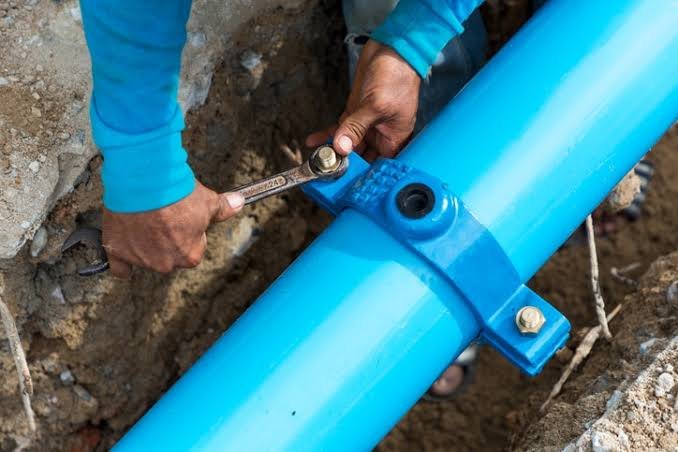
Professional water line installations and repairs can address issues ranging from localized leaks to complete line replacement. The right solution depends on the pipe material, its age, the location of the damage, and the condition of the surrounding system.
A qualified plumber may use pressure testing, leak detection equipment, or other diagnostic methods to locate the problem without unnecessary digging. In some cases, a targeted repair is enough. In others, replacing a damaged section—or the entire line—may offer a more dependable long-term solution.
Before agreeing to the work, ask what caused the failure and whether the recommended repair is expected to last. A good explanation should make sense to you, not just to the person holding the tools.
Understanding Sewer Line Problems
The sewer line carries wastewater away from your property, making it one of the most important parts of a healthy plumbing system. When it develops a problem, the effects can be unpleasant and potentially damaging. Slow drains throughout the home, recurring backups, foul odors, and unusual gurgling sounds may signal trouble farther down the line.
Common causes include tree root intrusion, grease buildup, cracked pipes, shifting soil, and older materials that have deteriorated over time. Flushing unsuitable items down the toilet can also contribute to blockages.
Reliable sewer line services may include inspections, cleaning, repairs, trenchless solutions, or full replacement, depending on the condition of the pipe. A sewer camera inspection is often useful because it allows professionals to see the inside of the line and identify the actual problem rather than relying only on surface symptoms.
If a sewer issue keeps returning after basic cleaning, it may be a sign that the underlying pipe needs attention. Repeated temporary fixes can become frustrating—and costly—when the root cause is never addressed.
When Repiping May Be the Better Option
Not every old pipe needs to be replaced. Some systems can continue working safely for many years with proper maintenance. However, there are situations where repeated repairs no longer make financial or practical sense.
Frequent leaks, rusty or discolored water, poor water pressure, and visible corrosion may indicate that the plumbing system is reaching the end of its useful life. Older homes may also contain outdated pipe materials that are more vulnerable to deterioration.
Professional repiping services involve replacing some or all of a property’s existing water supply pipes. The scope depends on the condition of the system and the layout of the building. While repiping can be a significant project, it may improve reliability, reduce recurring leaks, and provide greater peace of mind.
Homeowners should ask whether partial repiping is sufficient or whether a full replacement is more appropriate. It’s also important to understand the materials being recommended, the expected project timeline, and how much access will be needed to walls, ceilings, or flooring.
Choosing the Right Plumbing Professional
The quality of the plumbing work depends heavily on the professional handling it. Look for a licensed and insured plumber with experience in the specific service you need. A company that regularly handles underground water lines may have different expertise and equipment than one focused mainly on household fixture repairs.
Before hiring anyone, request a clear written estimate. It should explain labor, materials, equipment, excavation or restoration costs, and any other expected charges. Ask whether the company provides warranties on its workmanship and materials, where applicable.
Reviews can also help, but don’t rely on star ratings alone. Look for comments about communication, punctuality, cleanliness, and whether the company completed work as promised. A provider that explains problems honestly is often more valuable than one that simply offers the lowest quote.
Planning Ahead Can Save You Stress
Plumbing emergencies are difficult to eliminate entirely, but regular attention can reduce the likelihood of major surprises. Avoid pouring grease down drains, be careful about what gets flushed, and pay attention to changes in water pressure or drainage. If your home has older plumbing, periodic inspections may help identify weak points before they fail.
It’s also worth knowing where your main water shutoff valve is located. In an emergency, being able to stop the water quickly can limit damage while you wait for professional help.
A Practical Approach to Plumbing Decisions
Plumbing repairs and replacements can feel overwhelming, especially when the problem is hidden underground or behind a wall. But understanding the warning signs and asking the right questions makes the process easier.
Whether you need a water line repair, sewer inspection, or repiping project, the goal should be more than simply getting the system working again. A well-planned solution should address the cause, suit the property, and provide dependable performance for years to come.
A little maintenance, timely professional advice, and a clear understanding of your options can go a long way. After all, reliable plumbing is one of those things you notice most when you don’t have it—and appreciate every day when it works as it should.