A Smarter Way to Think About Clean Water Throughout Your Home
Most people think about water treatment only when something goes wrong. A glass of tap water tastes strange. The shower leaves spots…
Most people think about water treatment only when something goes wrong. A glass of tap water tastes strange. The shower leaves spots behind. Laundry comes out looking a little dull, or a sink seems to collect residue no matter how often it’s cleaned. These small annoyances can add up, and eventually you start wondering whether the water coming into your home could be better.
The interesting thing is that water quality isn’t just about what you drink. You use water for bathing, washing clothes, cooking, cleaning, making coffee, and countless other everyday jobs. That’s why a home water treatment setup should be chosen around the entire household, not just the kitchen faucet.
Looking Beyond the Kitchen Faucet
A countertop pitcher can be useful, but it only treats the water you pour into it. If the goal is to improve water quality throughout the property, a broader approach may make more sense.
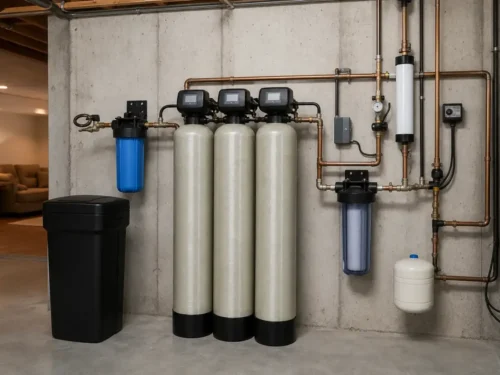
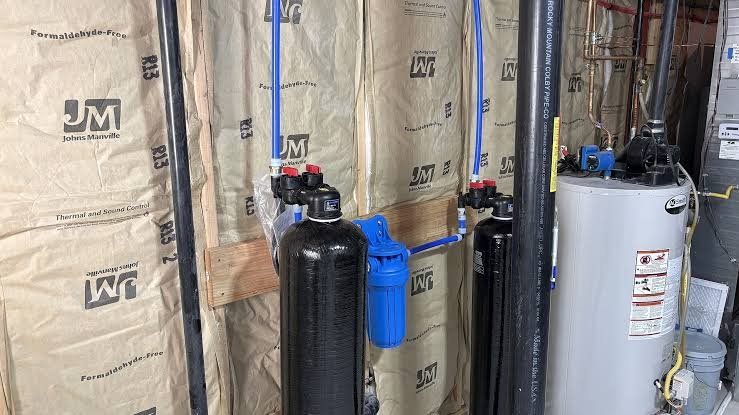
A whole-house filtration system treats water as it enters the home, allowing filtered water to reach multiple fixtures. Depending on the equipment and filter media, these systems can target sediment, chlorine, unpleasant odors, and certain other contaminants.
That doesn’t mean every home needs the same setup. A family using municipal water may have different concerns from someone relying on a private well. Water testing should come first because treatment equipment works best when it’s matched to an actual water-quality issue.
There’s also something satisfying about solving a problem at its source. Instead of constantly cleaning cloudy shower doors or worrying about the taste of tap water, you can address the incoming supply and let the system work quietly in the background.
Start With a Water Test
Before spending money on filtration equipment, find out what’s actually in your water. This is one of the simplest steps and, honestly, one of the most frequently skipped.
Water can contain different combinations of minerals, sediment, chlorine, iron, sulfur compounds, or other substances depending on its source and local conditions. A system designed for one problem may do very little for another.
A free water testing option can make the first step easier for homeowners who aren’t sure where to begin. The important part isn’t simply getting a test result. It’s understanding what the numbers mean and how they relate to your household.
For example, water that has elevated hardness may need softening rather than basic carbon filtration. Water with an unusual smell could require a different treatment strategy. If sediment is the problem, a fine filtration stage may be more appropriate.
Good water treatment begins with information, not guesswork.
Why Whole-Home Treatment Can Be Convenient
One of the biggest advantages of treating water at the point where it enters the house is convenience. You don’t have to remember which faucet has a filter attached or keep several pitchers filled in the refrigerator.
Filtered water can be available at showers, bathroom sinks, laundry areas, and kitchen fixtures, depending on how the system is installed.
For households with children, pets, frequent laundry loads, or lots of cooking, that convenience can become especially noticeable. You may not think about it every day, but not having to work around poor-tasting or unpleasant water makes ordinary routines a little easier.
And then there are appliances. Water heaters, washing machines, dishwashers, and other fixtures interact with the home’s water supply regularly. The right treatment strategy may help reduce certain deposits or contaminants that contribute to maintenance problems.
Don’t Forget About Water Softening
Filtration and softening are often mentioned together, but they aren’t exactly the same thing.
Hard water contains calcium and magnesium. Over time, these minerals can contribute to scale on plumbing fixtures and inside water-using appliances. You might notice white deposits around faucets or a film on shower glass. Soap and shampoo can also behave differently in hard water.
A water softener is specifically designed to address hardness. In some homes, it makes sense to combine softening with filtration so that each system handles a different part of the water-quality picture.
The key is avoiding unnecessary equipment. A home doesn’t automatically need every treatment technology available. More components mean more installation expense and more things to maintain.
The Often-Overlooked Job of Salt Delivery
Traditional water softeners generally rely on salt or another regenerant to keep the softening process working. That means homeowners need to monitor salt levels and refill the brine tank when necessary.
It sounds simple until real life gets in the way. You get busy, go on vacation, or simply forget to look at the tank. Then one day the water starts behaving differently.
A reliable salt delivery service can take some of that routine work off your plate. Depending on the provider and service arrangement, salt can be delivered on a regular schedule or when the household needs it.
For older homeowners, busy families, or anyone who simply doesn’t want another household chore on the list, scheduled service can be a practical convenience. Water treatment should make life easier, after all — not create a new weekend project.
Maintenance Still Matters
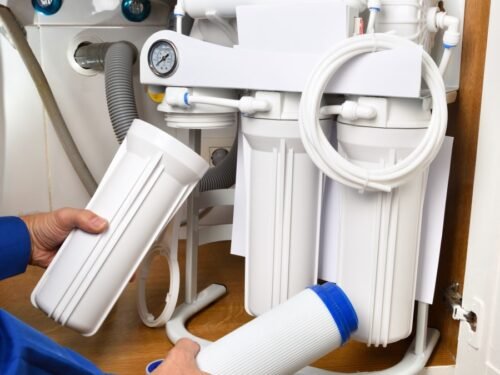
Even the best filtration system needs attention. Filters collect material. Media eventually becomes less effective. Valves, fittings, and other components can wear over time.
The maintenance schedule depends on the type of system and the quality of the incoming water. A household with heavy sediment may need more frequent filter changes than one with relatively clean municipal water.
Pay attention to changes in water pressure, taste, smell, or appearance. If a filter normally lasts six months but suddenly seems to clog much sooner, that’s worth investigating. Something may have changed in the incoming supply.
Keeping a simple record of installation and filter-replacement dates can help. It takes less than a minute and can prevent the classic “When did I last change that?” moment.
Think About Long-Term Value
Price matters, but the cheapest system isn’t necessarily the least expensive option over time. A low-cost unit that needs frequent replacement parts may eventually cost more than a better-designed system with reasonable maintenance requirements.
When comparing options, consider installation, replacement filters, electricity or water use where applicable, servicing, and expected lifespan. Ask what happens if a component fails and whether professional support is available.
It’s also worth considering household growth. A filtration system that’s adequate for one or two people might feel undersized after a family expands or water usage increases.
Better Water Is a Household Decision
There isn’t one magic piece of equipment that solves every water problem. The right solution depends on what’s in the water, how much water your household uses, and what you actually want to improve.
Start with testing. Understand the results. Then choose treatment equipment based on those findings rather than marketing claims.
For some homes, that might mean filtration. For others, softening, sediment control, or a combination of technologies may make more sense. And in many cases, ongoing maintenance and service are just as important as the equipment itself.
The best water treatment setup is the one you barely notice after it’s installed. It works quietly, fits your routine, and gives you confidence every time you turn on the tap. That’s a pretty good definition of a worthwhile home improvement.