Choosing the Right Water Systems for Pools, Gardens, and Everyday Use
Water systems rarely get much attention when everything is working properly. A garden stays green, a pool remains clear, and water reaches…
Water systems rarely get much attention when everything is working properly. A garden stays green, a pool remains clear, and water reaches the right place without a second thought. But behind that everyday convenience is a network of equipment that needs to work together. When a pump struggles, a filter becomes clogged, or water pressure drops, the problem can quickly affect an entire property.
That’s why choosing reliable pumps and filtration equipment matters more than simply buying the first system that fits the budget. The right setup should match the property’s water needs, operate efficiently, and remain manageable over time. Whether you’re maintaining a residential landscape, caring for a swimming pool, or managing a larger outdoor space, a little planning can prevent plenty of avoidable trouble.
Why Water Systems Need More Than Basic Equipment
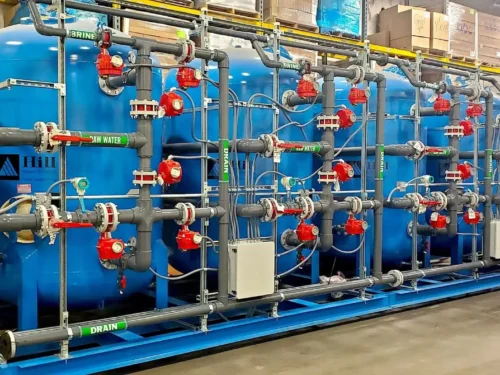
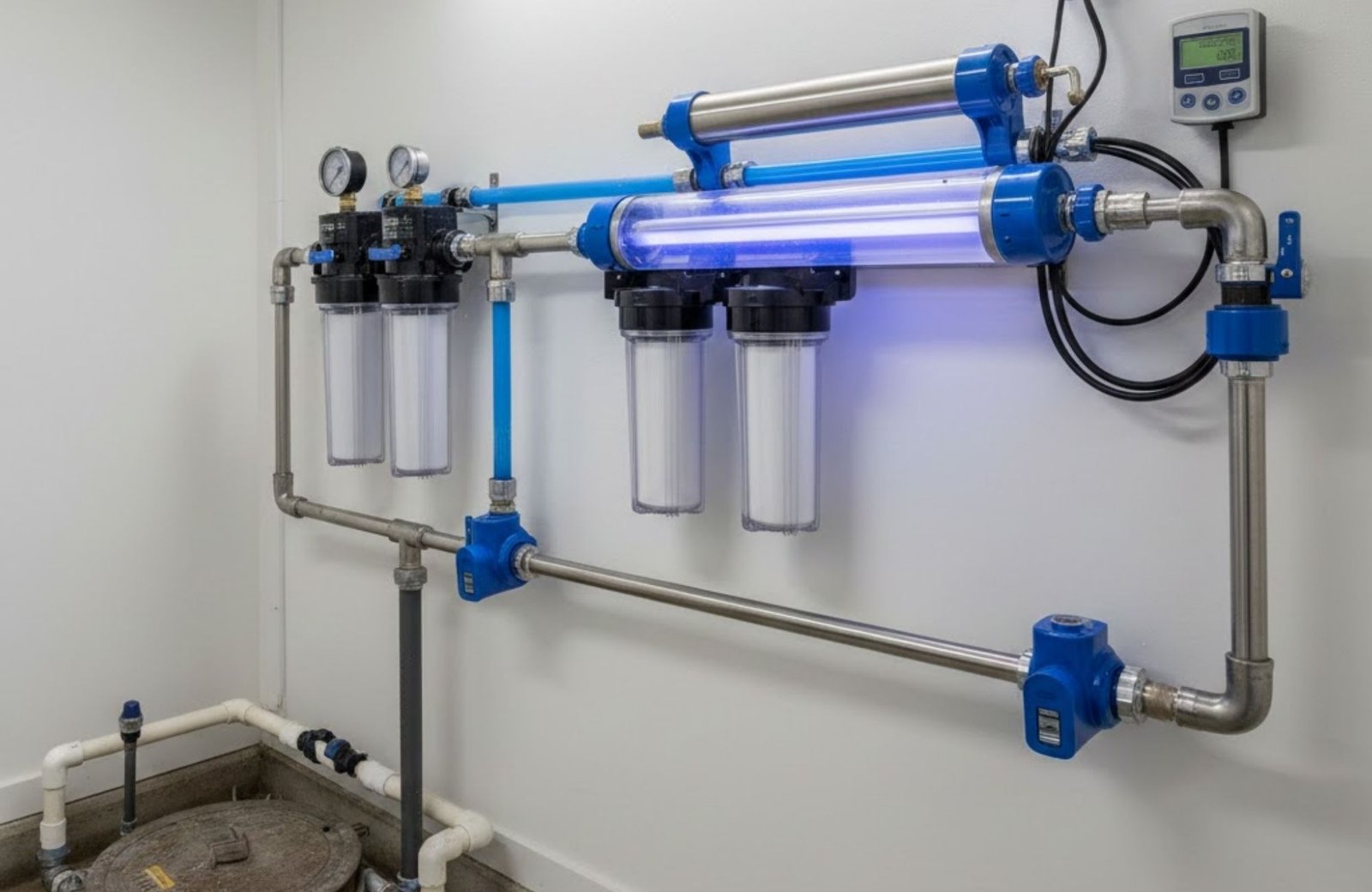
A water system is made up of several connected parts, and each one has a job. Pumps move water from one location to another, filters remove unwanted particles, pipes carry the supply, and control systems help regulate pressure or timing. If one component is poorly selected, the entire setup may perform below expectations.
For example, a pump that is too small may struggle to deliver sufficient flow. A pump that is too powerful can waste energy, create unnecessary pressure, or place extra strain on plumbing. Similarly, a filter that is undersized may need frequent cleaning, while an oversized system may cost more than necessary.
The goal isn’t to install the biggest or most expensive equipment. It’s to create a balanced system that handles the actual demand.
Pool Water Requires Consistent Circulation
Swimming pools depend on regular circulation to keep water moving through the treatment system. Without proper circulation, chemicals may not distribute evenly, debris can accumulate, and water quality may become harder to maintain.
For pools, selecting the right pump involves considering factors such as pool volume, plumbing size, filter type, and the required turnover rate. The turnover rate refers to the time needed for the circulation system to move a volume of water equivalent to the pool’s capacity through the filtration system.
A pump should provide enough flow for effective circulation without operating wastefully. Variable-speed pumps can be useful in many situations because they allow operators to adjust the speed according to the task. Lower speeds may be suitable for routine filtration, while higher speeds might be needed for certain cleaning or maintenance activities.
Of course, the best choice depends on the pool’s design and the manufacturer’s recommendations. A professional assessment can help ensure the pump and filter work well as a pair.
Filtration Helps Keep Water Cleaner
Pumping water is only part of the job. Filtration is what helps remove suspended particles, leaves, dirt, and other debris that can affect water clarity and system performance.
Different filters serve different purposes. Sand filters are widely used in pool applications and are relatively straightforward to maintain. Cartridge filters can offer convenient cleaning and may be suitable for properties where water conservation is a concern. Other filtration technologies are available for specialized needs.
No filter works indefinitely without maintenance. As debris collects, the filter becomes less efficient and water flow may decline. Cleaning or replacing filter media at the appropriate intervals helps maintain performance.
It’s also important to understand what a filter does not remove. Filtration alone may not address every chemical or biological concern, so water treatment should be selected according to the actual quality issue.
Irrigation Systems Need the Right Pressure and Flow
Outdoor watering systems have their own set of challenges. Plants need consistent moisture, but overwatering wastes water and can damage certain landscapes. Uneven pressure may leave some areas dry while others receive far more water than necessary.
For irrigation, the pump must be matched to the system’s layout, elevation changes, pipe size, sprinkler type, and number of zones operating at once. A system serving a small garden will have very different requirements from one supporting a large lawn, sports field, or agricultural property.
Efficient irrigation design often involves more than selecting a pump. Properly positioned sprinkler heads, drip lines, pressure regulators, timers, and moisture sensors can all contribute to better water distribution. When these components are coordinated, the system can deliver water where it’s needed instead of allowing it to run off onto sidewalks or paved areas.
In regions where water availability is limited, this kind of efficiency is especially valuable. Saving water doesn’t always require dramatic changes; sometimes, correcting a few small design issues makes a noticeable difference.
Energy Efficiency Is Worth Considering
Water equipment can operate for many hours, so energy consumption should be part of the purchasing decision. A pump’s power rating alone doesn’t tell the whole story. Operating speed, system resistance, run time, and maintenance condition all influence energy use.
A pump that is correctly sized for the application is generally easier to operate efficiently. Variable-speed technology may also help reduce energy consumption when full power is not required throughout the day.
However, efficiency should be evaluated alongside performance. Choosing a low-powered pump that cannot meet the system’s needs may lead to poor circulation, longer operating times, or other complications. The most practical solution is one that delivers the required performance without unnecessary energy use.
Maintenance Prevents Small Problems From Growing
Regular maintenance is often less expensive than emergency repairs. Checking for leaks, cleaning filters, inspecting pump components, and monitoring unusual sounds can help identify problems early.
A pump that begins making a grinding or rattling noise may be signaling wear, an obstruction, or another issue. Reduced water flow could indicate a clogged filter, air entering the system, or a plumbing restriction. Ignoring these signs rarely makes them disappear.
Pool owners should follow recommended cleaning and servicing schedules, while irrigation system operators can benefit from seasonal inspections. Before periods of heavy use, it’s worth checking valves, sprinkler heads, connections, and timers. Small adjustments can improve performance and reduce wasted water.
Getting Professional Advice When Needed
Water systems can become complicated, especially when multiple pumps, filters, storage tanks, or zones are involved. A qualified professional can evaluate the property, calculate flow and pressure requirements, and recommend equipment that fits the application.
Before purchasing, ask about expected performance, energy use, maintenance requirements, replacement parts, and warranty coverage. It’s also useful to understand whether the equipment can be serviced locally and whether future expansion is possible.
Good advice should focus on the property’s actual needs, not simply on selling the most advanced equipment available.
A System That Works Quietly Is a Good Investment
Reliable water equipment may not be the most visible part of a property, but its impact is easy to notice when it fails. From clear pool water to healthy landscaping, efficient pumps and filtration systems support comfort, appearance, and responsible water use.
The smartest approach is to plan carefully, select equipment that matches the job, and maintain it consistently. When the system is designed around real requirements rather than guesswork, it can provide dependable service for years.
In the end, good water management is about balance: enough flow, effective filtration, sensible energy use, and regular care. Get those basics right, and the water sys