Understanding Carbon, Reverse Osmosis, and UV Light in Modern Water Treatment
Water treatment can sound more complicated than it really is. Walk into a showroom or start searching online and suddenly you're looking at membranes, filter media,…
Water treatment can sound more complicated than it really is. Walk into a showroom or start searching online and suddenly you’re looking at membranes, filter media, flow rates, ultraviolet technology, mineral content, pressure tanks, and a whole alphabet soup of technical terms. It’s enough to make anyone wonder whether they need a degree in chemistry just to choose a drinking-water system.
The good news is that the basic idea is fairly simple. Different treatment technologies are designed to deal with different water-quality concerns. Some improve taste and odor. Others reduce dissolved substances, while some are designed to address microorganisms. The challenge is matching the technology to the actual problem instead of buying a system simply because it sounds advanced.
That distinction matters. More technology doesn’t automatically mean better water.
Start by Understanding What’s in Your Water
Before choosing equipment, find out what you’re dealing with. Municipal water, well water, and water from different regional sources can have very different characteristics. Even neighboring homes may experience slightly different issues because of plumbing, storage tanks, or changes in the local supply.
A basic water test can provide useful information about factors such as hardness, pH, sediment, dissolved minerals, and other potential concerns. If there’s a persistent odor, unusual taste, staining, or visible particles, those clues are worth investigating rather than simply masking them with a filter.
Once you know the problem, choosing a treatment method becomes much easier.
Carbon Filtration Has a Practical Role
One of the most familiar treatment technologies is carbon filtration. Activated carbon is widely used because it can improve the taste and smell of water by reducing certain organic compounds and chlorine-related tastes and odors.
For many households, this alone can make a noticeable difference. That first cold glass of water tastes cleaner, coffee may seem less harsh, and unpleasant odors can become far less noticeable.
But carbon filtration has limits. Not every carbon filter removes the same substances, and performance depends on the type of carbon, filter design, contact time, and the particular contaminants present. That’s why reading the manufacturer’s specifications matters.
Think of carbon as a specialist, not a universal solution.
Where Reverse Osmosis Fits In
For homeowners concerned about dissolved substances in drinking water, reverse osmosis can be an attractive option. The process uses pressure to push water through a semipermeable membrane, separating water from many dissolved contaminants.
Reverse osmosis is commonly used as a point-of-use system, often installed beneath the kitchen sink. It can produce highly treated water for drinking and cooking without requiring every gallon used for bathing or laundry to pass through the membrane.
There are trade-offs, though. RO systems generally require adequate water pressure and routine maintenance. They may also produce a wastewater stream during operation. A properly designed system can manage these considerations, but they shouldn’t be ignored when comparing options.
UV Light Takes a Different Approach
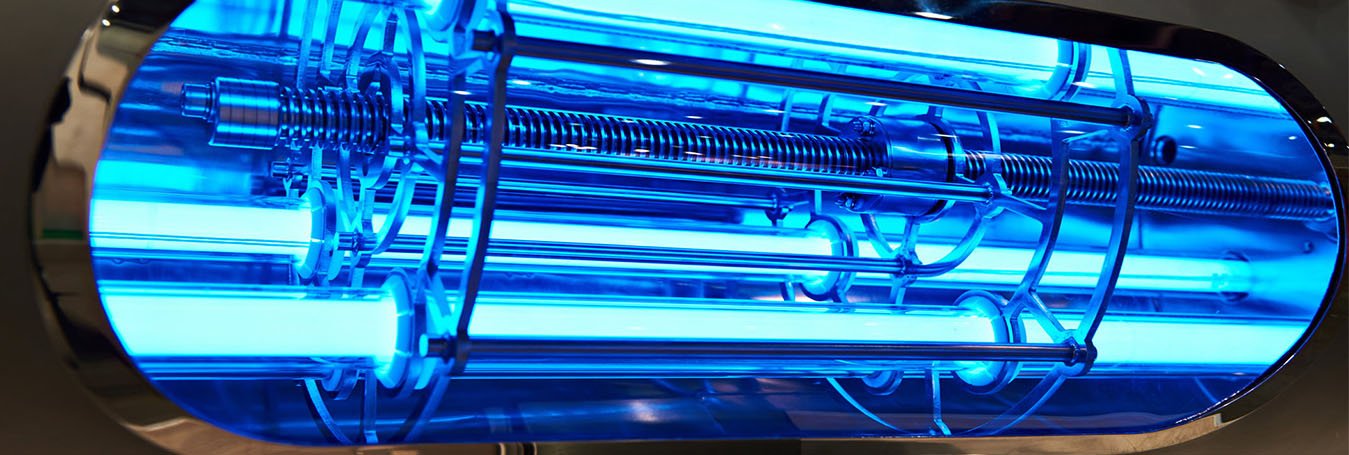
While filtration and reverse osmosis focus on physically reducing substances in water, uv light works differently. Ultraviolet treatment uses UV energy to disrupt the ability of microorganisms to reproduce.
This makes UV technology particularly relevant in certain water-treatment setups where microbial concerns need to be addressed. It’s often associated with private wells and other water sources where disinfection is an important consideration.
UV treatment also has its own requirements. The water needs to be relatively clear because excessive sediment or cloudiness can interfere with UV exposure. Lamps and related components also need periodic maintenance.
In other words, UV isn’t a replacement for every other treatment method. In the right situation, however, it can be an important part of a broader system.
Sometimes the Best Answer Is a Combination
Real household water problems don’t always fit neatly into one category. A homeowner might have well water with sediment, an unpleasant odor, hardness, and microbial concerns. Installing a single filter and hoping for the best probably isn’t the smartest approach.
A treatment system can combine technologies, with each component handling a different job. Sediment filtration may protect downstream equipment. Carbon can improve taste and odor. A softener can address hardness. Reverse osmosis can provide highly treated drinking water, while UV may be used where disinfection is needed.
The order of the equipment matters, too. Pretreatment can protect more sensitive components and help the entire system perform more reliably.
Don’t Ignore Water Pressure and Flow
A treatment system may work beautifully on paper and still disappoint if it isn’t properly sized.
Imagine turning on a shower while someone starts the washing machine and another person opens a kitchen faucet. If the system can’t keep up with household demand, you’ll notice it quickly. Pressure and flow requirements vary by technology, so installation should account for how much water the household uses during busy periods.
This is one reason professional sizing is useful. The goal isn’t simply to install a filter. It’s to install something that works comfortably in the real world.
Maintenance Is Part of the Deal
Every water treatment system needs some level of maintenance. Filters eventually become saturated. UV lamps have service intervals. RO membranes require attention. Storage tanks and fittings may need inspection.
Ignoring these tasks can reduce performance and, in some cases, create problems that could have been prevented with a simple service visit.
Before buying anything, ask what maintenance actually involves. How often are filters replaced? Are replacement parts readily available? Does the system require electricity? What happens if something stops working?
Those questions aren’t glamorous, but they can save a lot of frustration later.
Avoid Choosing a System Based on Marketing Alone
Water treatment advertisements can make almost any technology sound like the answer to everything. Be cautious with broad claims.
Instead, look for evidence that connects the equipment to your specific water-quality issue. Ask for test results. Review performance specifications. Understand what a system is designed to reduce and, just as importantly, what it isn’t designed to reduce.
A trustworthy water professional should be comfortable explaining the reasoning behind a recommendation. If you’re being pushed toward the most expensive package without a clear explanation, it’s reasonable to take a step back.
Better Water Starts With the Right Questions
There isn’t one perfect water treatment system for every home. That’s actually good news. It means you don’t need to chase the newest gadget or install every available technology.
Start with the water itself. Test it, identify the concerns, and decide what matters most to your household. Maybe taste and odor are the main issues. Maybe dissolved substances are the concern. Perhaps microbial treatment is important because of the water source.
Once those priorities are clear, technologies such as carbon filtration, reverse osmosis, and UV treatment become much easier to understand.
Ultimately, good water treatment isn’t about having the most equipment. It’s about having the right equipment, properly sized and maintained for the job. When that happens, the technology fades into the background—and that’s probably the best sign that you’ve made a smart choice. Your water simply tastes better, your fixtures behave better, and you don’t have to think about it every time you turn on the tap.