Low Water Pressure Solutions for Every Bathroom Issue
Standing under a shower that barely manages a trickle isn’t exactly how anyone wants to start their morning. Has this happened to…
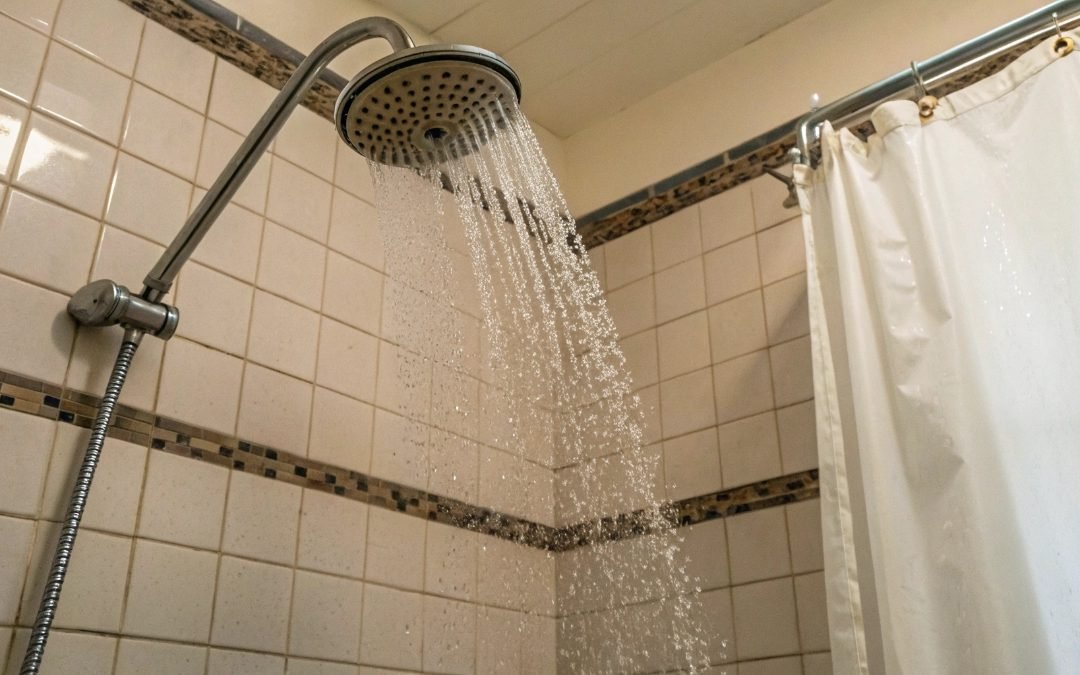
Standing under a shower that barely manages a trickle isn’t exactly how anyone wants to start their morning. Has this happened to you — turning the tap fully open and getting almost nothing back? Low water pressure solutions get searched constantly because the causes range from a five-minute fix to something that needs an actual plumber.
I dealt with weak bathroom pressure in my own place for nearly two months before figuring out it was just a clogged showerhead, not some bigger plumbing disaster I’d been dreading. That’s often the case. Before assuming the worst, walk through these causes systematically — most turn out to be simpler than expected.
Check If It’s a Whole-House Issue or Just One Bathroom
Quick answer: If low water pressure affects only one bathroom while others work fine, the problem is usually localized — a clogged fixture, blocked pipe section, or faulty valve — rather than a building-wide water supply issue.
Start here before anything else. Turn on taps in different parts of the house. If everything’s weak, the issue likely sits with the main supply, overhead tank, or building-level plumbing. If it’s just one bathroom, you’re looking at something specific to that fixture or the pipe feeding it.
This single check saves a lot of wasted troubleshooting time.
Clogged Showerhead or Tap Aerator
This is genuinely the most common cause, and also the easiest to fix. Mineral deposits, especially in areas with hard water, build up inside showerheads and tap aerators over months.
Quick answer: Unscrew the showerhead or aerator, soak it in a vinegar-water solution for 30-60 minutes, scrub with an old toothbrush, and reattach — this resolves the majority of low water pressure complaints in bathrooms.
- Soak overnight for particularly stubborn mineral buildup
- Use a toothpick to clear individual holes if scrubbing alone doesn’t work
- Replace the aerator entirely if it’s old and corroded, costs as little as ₹100-300
I’ve noticed people replace the entire tap assembly before even checking this, which is honestly unnecessary in most cases.
Overhead Tank Height and Positioning
Water pressure depends heavily on gravity when you’re relying on an overhead tank setup, common across most Indian homes.
Picture a family in Jaipur living on the top floor of a 4-storey building, with the overhead tank positioned only slightly above their bathroom fixtures. The pressure difference compared to ground floor residents is noticeable and frustrating, purely due to physics rather than any actual plumbing fault.
If your tank sits too low relative to upper floor fixtures, a booster pump becomes the practical fix. [link to related guide on choosing a water pressure booster pump here]
Partially Closed or Faulty Shut-Off Valves
Every fixture usually has a shut-off valve somewhere along its supply line. These occasionally get partially closed during repairs or renovations and never get fully reopened.
Quick answer: Check the shut-off valve near your bathroom’s water supply line — if it’s only partially open, water pressure drops significantly even though the tap itself functions normally.
Trace the pipe back from your tap or shower to find the valve, usually near the wall or under the sink. Turn it fully counterclockwise to open completely. This single fix has resolved more “mystery” low pressure complaints than people realize.
Pipe Blockages or Corrosion
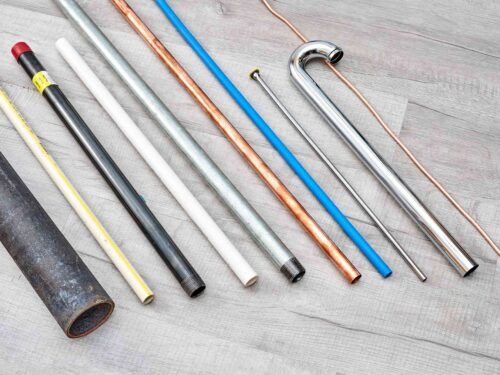
Older galvanized iron pipes corrode internally over years, narrowing the actual passage for water even though the pipe looks fine from outside. This is more common in homes older than 20-25 years.
- Check pipe age and material if pressure has been gradually declining over months or years
- Look for rust-colored water occasionally, a sign of internal corrosion
- Consider repiping sections if corrosion is confirmed, though this is a bigger job costing anywhere from ₹15,000-50,000 depending on scope
This one genuinely needs a plumber’s assessment rather than a DIY attempt.
Water Pump Issues (If You Have One)
If your building uses a water pump to move water from a sump to the overhead tank or directly to fixtures, pump problems directly cause pressure drops throughout the house.
Common pump-related causes include worn-out impellers, electrical issues, or the pump simply being undersized for the building’s actual demand. Get a technician to check pump output if you suspect this, usually a straightforward diagnostic costing ₹300-800.
Multiple Fixtures Running Simultaneously
Sometimes it’s not a fault at all — just simultaneous demand. Running a washing machine, geyser, and shower at the same time draws down available pressure across the system, especially in homes with smaller diameter supply pipes. [link to related guide on plumbing basics for homeowners here]
Staggering usage during peak morning hours often resolves this without any repair needed at all.
FAQ: Low Water Pressure Solutions
Q: Why is my shower pressure weak but the tap pressure fine? Usually a clogged showerhead specifically, since showerheads have finer openings that trap mineral deposits faster than regular tap spouts.
Q: Does a water pressure booster pump work for all homes? Mostly yes, though effectiveness depends on your existing pipe diameter and overhead tank positioning, so a plumber’s assessment helps before buying one.
Q: Can hard water cause permanent pressure loss? Over years, yes, through mineral buildup inside pipes and fixtures, though regular cleaning of showerheads and aerators slows this considerably.
Q: Is low water pressure a sign of a bigger plumbing problem? Not always. It’s often something simple like a clogged fixture, though persistent or worsening pressure loss across the whole house is worth a plumber’s assessment.
Q: How much does a plumber typically charge to diagnose pressure issues? Usually ₹300-600 for a basic inspection visit in most Indian cities, more if actual repair work is needed.
Q: Should I install a pressure booster pump myself? Not recommended. Improper installation can cause pipe damage or uneven pressure distribution, so hire a professional for this specific job.
Wrapping Up
Most low water pressure solutions start with the simple stuff — check other bathrooms first, clean the showerhead, verify shut-off valves are fully open. Bigger causes like corroded pipes or pump issues need a professional, but they’re less common than people assume.
Before calling a plumber, spend fifteen minutes checking the showerhead and valve. There’s a decent chance that’s all it takes to get your shower back to normal.