Best Plumbing Pipe Materials: A No-Nonsense Guide
Standing in a hardware store with three different pipe samples in hand, completely unsure which one your plumber actually meant — sound…
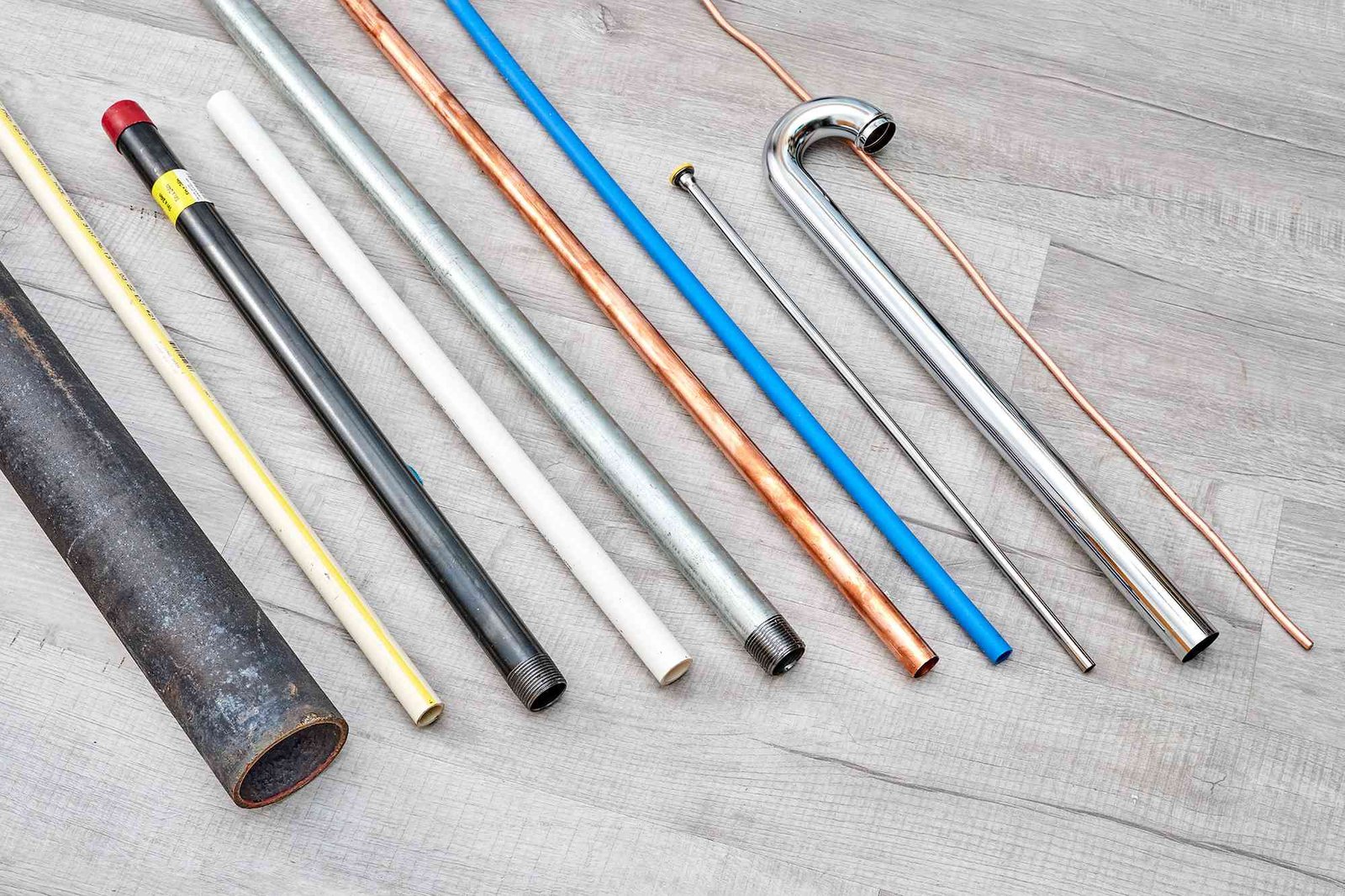
Standing in a hardware store with three different pipe samples in hand, completely unsure which one your plumber actually meant — sound familiar? Choosing among the best plumbing pipe materials gets confusing fast, mostly because every brand claims theirs is superior, and honestly, most of them perform fine for basic residential use.
I went through this exact confusion during my own bathroom renovation last year. My plumber recommended CPVC, my brother-in-law swore by PPR, and some online forum insisted copper was the only “real” option. Turns out, the right choice depends more on your specific situation than any universal answer. Let’s break down what each material actually offers.
CPVC Pipes: The Most Common Choice in India
Quick answer: CPVC (Chlorinated Polyvinyl Chloride) pipes are the most widely used plumbing material in Indian homes today, valued for handling both hot and cold water reliably, resisting corrosion, and costing considerably less than metal alternatives.
CPVC has become the default recommendation for most residential plumbing, and for good reason. It handles water temperatures up to around 93°C, doesn’t corrode like metal pipes, and installation is relatively straightforward using solvent cement joints.
- Cost: roughly ₹40-120 per meter depending on diameter
- Lifespan: 25-50 years with proper installation
- Best for: general hot and cold water supply lines throughout the home
I’ve noticed most builders default to CPVC simply because it’s cost-effective and contractors are already familiar with installing it, which matters more than people realize when it comes to workmanship quality.
PPR Pipes: A Strong Alternative Gaining Popularity
PPR (Polypropylene Random Copolymer) pipes have gained traction over the last several years, especially for new construction projects.
Quick answer: PPR pipes offer better resistance to high temperatures and pressure than CPVC, along with heat-fusion joints that create a more leak-resistant connection, making them a popular choice for both plumbing and hot water systems in 2026.
Unlike CPVC’s solvent-cement joints, PPR pipes use heat fusion, essentially melting the pipe ends together. This creates a genuinely stronger joint with lower long-term leak risk, though it requires slightly more specialized installation equipment.
- Cost: roughly ₹50-150 per meter, marginally higher than CPVC
- Handles temperatures up to 95°C reliably
- Requires trained installers familiar with heat-fusion technique
Copper Pipes: Premium but Increasingly Rare
Copper used to be the gold standard decades ago, and some traditionalist plumbers still swear by it. I’ll admit, I’m a bit skeptical of copper’s continued relevance for standard residential use given the cost difference.
Copper resists bacteria growth naturally and handles extreme temperatures without issue. But it costs significantly more, roughly ₹300-600 per meter depending on thickness and current copper prices, which fluctuate more than most plumbing materials.
Copper still makes sense for specific situations — solar water heating systems, or homes wanting a genuinely premium, decades-long installation. For standard bathroom and kitchen plumbing though, the cost rarely justifies itself compared to CPVC or PPR.
GI (Galvanized Iron) Pipes: Mostly Outdated Now
Older homes across India still have GI pipes installed, and honestly, most plumbers today recommend replacing them during any major renovation.
Quick answer: GI pipes corrode internally over 15-20 years, gradually narrowing the water passage and often causing rust-colored water, which is why most modern installations have shifted to CPVC or PPR instead.
Picture a small business owner in Jaipur running a guesthouse in an older building with original GI plumbing from the 1980s. Guests kept complaining about weak water pressure and occasional rust discoloration — a classic sign of internal corrosion that eventually forced a full repiping project.
PVC Pipes: Good for Drainage, Not Hot Water
PVC gets used almost exclusively for drainage and waste lines, not water supply, since it can’t handle hot water temperatures well.
- Cost: cheapest option, roughly ₹30-80 per meter
- Best for: drainage, sewage lines, rainwater pipes
- Not suitable for: hot water supply lines under any circumstance
Don’t let a contractor cut corners by using PVC for hot water lines to save money — it degrades and can fail within a few years under sustained heat exposure. [link to related guide on plumbing basics for homeowners here]
HDPE Pipes: Best for Underground and Outdoor Use
HDPE (High-Density Polyethylene) pipes handle underground installation particularly well, resisting cracking from ground movement or temperature shifts better than rigid pipe materials.
These work well for main water supply lines coming into the property, borewell connections, or outdoor irrigation setups. Less common for indoor plumbing, but genuinely excellent for anything buried underground. [link to related guide on borewell and water supply setup here]
Which Pipe Material Should You Actually Choose?
For most standard home plumbing in 2026, CPVC remains the practical default — reasonable cost, decent lifespan, and widely understood by local plumbers. PPR makes sense if you want slightly better joint reliability and don’t mind the marginal cost increase. Copper only if budget genuinely isn’t a constraint and you want a premium, long-term installation.
FAQ: Best Plumbing Pipe Materials
Q: Which pipe material lasts the longest? Copper technically lasts the longest, often 50+ years, though CPVC and PPR both offer 25-50 years with proper installation, which covers most homeowners’ needs.
Q: Is PPR better than CPVC? PPR offers slightly stronger joints through heat fusion, but CPVC remains more widely available and familiar to most local plumbers, making it a practical choice too.
Q: Can I mix different pipe materials in one plumbing system? Generally not recommended without proper transition fittings, since different materials expand and contract differently under temperature changes.
Q: Are GI pipes still used in new construction? Rarely. Most contractors have shifted to CPVC or PPR due to corrosion issues and shorter effective lifespan of GI pipes.
Q: How much does repiping an entire home typically cost? Depends heavily on home size, but expect somewhere between ₹25,000-80,000 for a standard 2-3 BHK using CPVC or PPR.
Q: Is copper worth the extra cost for a standard home? For most standard residential plumbing, not really. It makes more sense for solar heating systems or if you specifically want a premium, decades-long installation.
Wrapping Up
Choosing among the best plumbing pipe materials really comes down to your budget, your specific water temperature needs, and whether the work is indoor or underground. CPVC covers most standard needs affordably, PPR offers a slight upgrade in joint reliability, and copper remains a premium option for specific situations.
Before finalizing anything, ask your plumber directly which material they’re most experienced installing. A well-installed CPVC system often outperforms a poorly-installed premium material, so workmanship matters just as much as the pipe itself.