When Plumbing Problems Can’t Wait: A Practical Guide to Reliable Home Plumbing Services
A plumbing problem rarely arrives at a convenient time. One minute, everything in the house is working normally; the next, there’s water…
A plumbing problem rarely arrives at a convenient time. One minute, everything in the house is working normally; the next, there’s water pooling under the sink, a stubborn drain refusing to clear, or an unpleasant smell coming from somewhere it definitely shouldn’t. Most homeowners know the feeling: you stare at the problem for a few seconds, hoping it somehow fixes itself. Usually, it doesn’t.
Good plumbing isn’t just about fixing leaks and unclogging pipes. It’s about protecting your home from water damage, keeping essential systems working safely, and dealing with small problems before they turn into expensive repairs. Knowing when to call a professional can save both money and a fair amount of stress.
Understanding What Your Plumbing System Really Does
Your home’s plumbing system is more complicated than it looks. Behind the walls and beneath the floors, a network of pipes carries clean water into your property and moves wastewater away. Gas lines, drains, fixtures, water heaters, and sewer connections all have their own jobs.
Because many of these components are hidden, problems can develop quietly. A small leak inside a wall may not be obvious until you notice damp spots, peeling paint, moldy odors, or an unexpectedly high water bill. That’s why paying attention to unusual signs is important.
It’s tempting to treat plumbing as a collection of simple DIY jobs, but some repairs require experience and specialized equipment. A quick internet tutorial might help with a loose faucet, but underground pipes or damaged sewer lines are a different story.
Sewer and Gas Lines Deserve Serious Attention
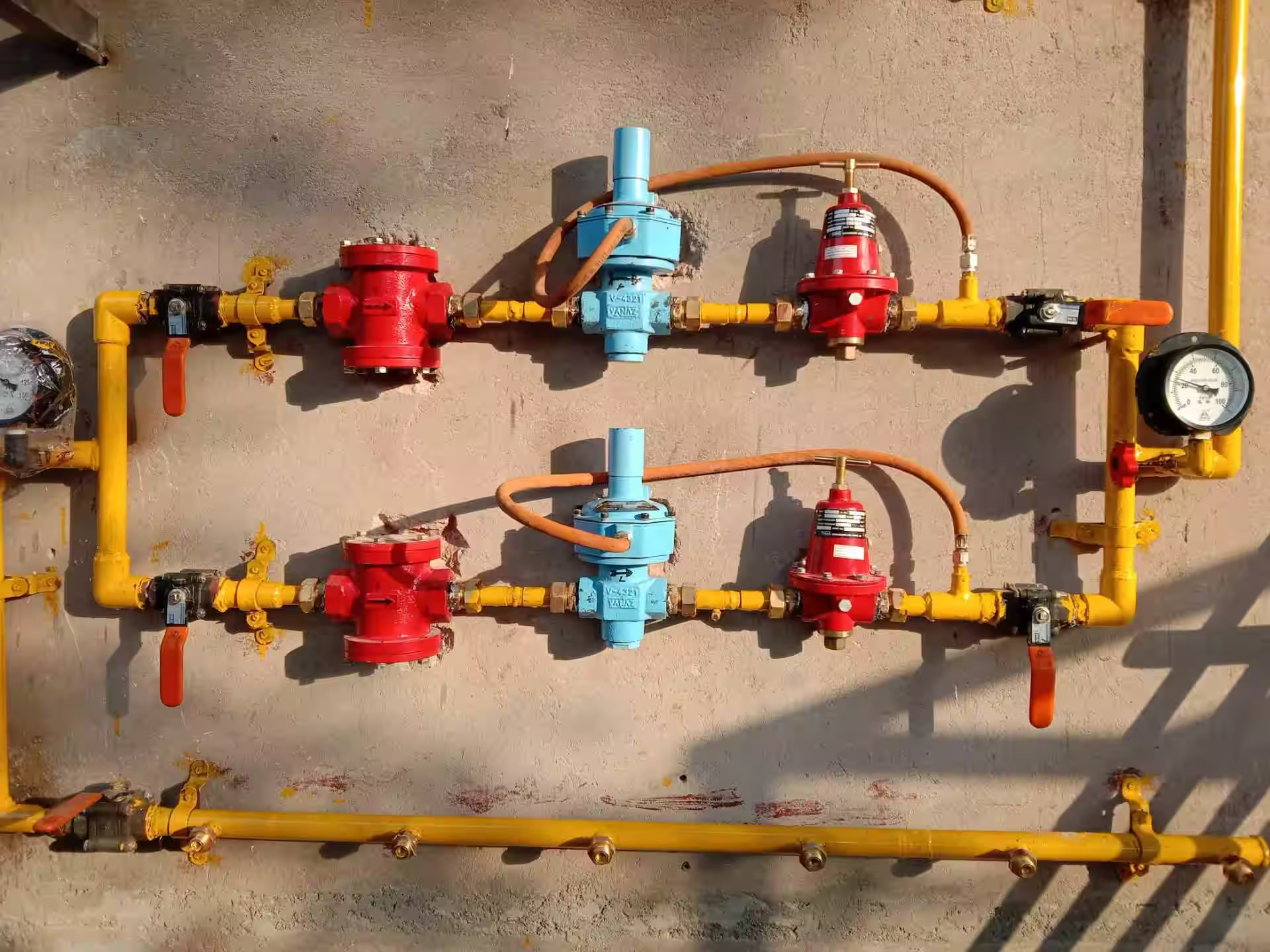
Sewer and gas systems are two areas where homeowners should avoid taking unnecessary risks. A damaged sewer line can cause recurring drain backups, unpleasant odors, slow drainage, and even wastewater entering parts of the home. Gas-line problems, meanwhile, can create potentially dangerous situations.
Professional sewer & gas line services can help identify issues that aren’t always visible from the surface. Technicians may use inspection cameras and other diagnostic tools to determine whether a pipe is cracked, blocked, corroded, or damaged by tree roots.
If you notice a strong gas smell, leave the area immediately and contact the appropriate emergency service or gas provider. Don’t try to locate or repair a suspected gas leak yourself. Some plumbing problems can wait until morning; a possible gas leak isn’t one of them.
Knowing When a Waterline Needs Attention
Water supply lines work constantly, so wear and tear is inevitable. Older pipes may corrode, joints can weaken, and ground movement can damage underground lines. Sometimes the warning signs are obvious, such as a burst pipe. Other times, they’re frustratingly subtle.
Low water pressure throughout the house, unexplained wet patches, discolored water, or sudden changes in water usage can point toward a supply-line issue. In such cases, waterline replacement & repair may be necessary to restore reliable water flow and prevent further damage.
Replacement isn’t always the first answer, though. A qualified plumber can inspect the system and determine whether a targeted repair makes sense or whether an aging line has reached the point where replacement is the smarter long-term option. Spending a little more upfront can sometimes prevent repeated repair bills later.
Small Plumbing Warning Signs Are Worth Noticing
Not every plumbing issue looks dramatic. In fact, some of the costliest problems start quietly.
A toilet that runs for several minutes after flushing, a faucet that drips overnight, or a drain that takes longer and longer to empty may seem like minor annoyances. But these signs can indicate worn components, developing blockages, or pressure problems.
Pay attention to changes in your plumbing routine. If you suddenly need to plunge the same drain every week, that’s not really a solution anymore. It’s a warning.
Regular maintenance can also make a difference. Checking exposed pipes for corrosion, cleaning drains sensibly, inspecting water heaters, and knowing where the main shut-off valve is located are simple habits that can make emergencies easier to manage.
Why Emergency Plumbing Help Matters
Some plumbing emergencies simply can’t wait. A burst pipe can release a surprising amount of water in a short period, damaging flooring, walls, furniture, and electrical systems. A major sewer backup can create sanitation concerns. And a broken water heater can quickly turn a utility room into a small indoor swimming pool.
In situations like these, emergency plumbing services can provide the rapid response needed to control the immediate problem and reduce damage. While waiting for help, homeowners should generally shut off the main water supply if it is safe to do so and move valuable belongings away from the affected area.
Trying to make a major repair without the right tools or knowledge can sometimes make things worse. A temporary mistake can become a much larger repair.
Choosing a Plumber You Can Trust
When hiring a plumbing professional, don’t look only at the cheapest quote. Experience, licensing where applicable, insurance, communication, and reputation all matter.
Ask what the plumber believes is causing the problem, what repair options are available, and whether the proposed work addresses the underlying issue or merely the visible symptom. A trustworthy professional should be willing to explain the work in straightforward language.
It’s also smart to keep basic plumbing information handy, including the location of shut-off valves and details about your water heater. In an emergency, having that information ready can save valuable minutes.
A Little Attention Can Prevent a Big Mess
Plumbing is one of those parts of a home that’s easy to ignore when everything works. But pipes don’t care whether you’re busy, asleep, or expecting guests. Problems have a habit of showing up whenever they please.
The good news is that many major plumbing headaches give you clues beforehand. Slow drains, unusual smells, leaks, pressure changes, and unexplained water use shouldn’t simply become part of everyday life.
Taking those signs seriously, maintaining your plumbing system, and calling a qualified professional when a problem goes beyond a simple fix can protect your home for years to come. After all, reliable plumbing isn’t something you notice every day—and that’s exactly how it should be.