Wooden Flooring Maintenance Tips That Add Real Years
Spent good money on wooden flooring only to watch it lose its shine within a couple years? That’s more common than it…
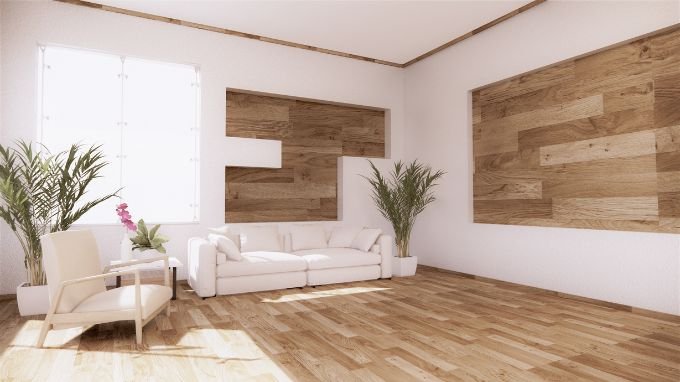
Spent good money on wooden flooring only to watch it lose its shine within a couple years? That’s more common than it should be, mostly because wooden flooring maintenance tips get treated as optional rather than routine. Wood flooring rewards consistent, gentle care and punishes neglect fast, especially in Indian conditions where humidity swings are no joke.
I installed engineered wood flooring in my living room four years ago, and the difference between the section near a window (where I was careless about sun exposure) and the rest of the room is honestly a bit embarrassing. Lesson learned the hard way. Here’s everything that actually keeps wooden floors looking good for the long haul.
Understand Your Flooring Type First
Quick answer: Solid wood, engineered wood, and laminate flooring each require slightly different maintenance approaches — solid wood needs more humidity control, engineered wood tolerates moisture slightly better, and laminate is the most forgiving but least repairable if damaged.
Knowing exactly what’s underfoot changes how you should approach cleaning and long-term care. Solid wood is the most sensitive to humidity and needs more careful maintenance. Engineered wood, with its layered construction, handles minor moisture fluctuations a bit better. Laminate, while durable against scratches, can’t be sanded or refinished if it gets damaged.
Daily and Weekly Cleaning Routine
Quick answer: Sweep or dry-mop wooden floors daily to remove dust and grit that cause micro-scratches, and use a barely damp microfiber mop weekly with a wood-specific cleaner, never soaking the surface with excess water.
Dust and grit act like sandpaper under foot traffic, causing tiny scratches that dull the finish over months without you even noticing until it’s fairly obvious.
- Dry mop or sweep daily, especially in high-traffic areas near entrances
- Use a slightly damp (never wet) microfiber mop weekly with a proper wood floor cleaner
- Avoid steam mops entirely, since excess moisture and heat can warp or damage the finish
I’ve noticed people assume wet mopping like they would tile is fine for wood too. It genuinely isn’t, and it’s one of the fastest ways to cause long-term damage.
Managing Humidity and Temperature Swings
This is probably the single biggest factor in wooden flooring longevity, and it gets overlooked constantly.
Indian homes see significant humidity swings between summer and monsoon, and wood expands and contracts in response. Too much humidity causes swelling and warping; too little causes gaps between planks.
- Maintain indoor humidity roughly between 40-60% where possible, using a dehumidifier during peak monsoon if needed
- Avoid placing wooden flooring in perpetually damp areas like bathrooms without proper waterproofing underneath
- Use curtains or UV-blocking film on windows to reduce direct sun exposure, which accelerates both fading and drying
Picture a family in Jaipur whose wooden flooring near a large west-facing window faded noticeably within a year, while the rest of the room stayed consistent. Simple curtain use would’ve prevented that entirely.
Protecting Against Scratches and Dents
Furniture legs are the biggest culprit here, more than people realize until they move a sofa and see the damage underneath.
Quick answer: Attach felt pads to the base of all furniture legs, use area rugs in high-traffic zones, and avoid dragging heavy furniture across wooden floors, since these simple steps prevent most scratches and dents that require professional refinishing to fix.
- Felt pads under chair and table legs, replaced periodically as they wear down
- Area rugs at entrances to trap dust and grit before it reaches the main floor
- Lift furniture rather than dragging it, even for small rearrangements
Dealing With Spills and Stains Immediately
Wood flooring, especially solid wood, doesn’t forgive standing liquid well. Has this ever happened to you — a small spill left unnoticed for a few hours, only to find a faint stain later?
Wipe spills immediately with a dry or barely damp cloth, working from the outer edge inward. For sticky residue, a small amount of wood-specific cleaner works better than water alone, which can seep into seams between planks. [link to related guide on removing stains from wooden surfaces here]
Refinishing and Recoating Schedule
Even well-maintained wooden floors eventually need refinishing to restore their protective top layer.
Quick answer: Most wooden floors benefit from a recoating every 5-7 years for solid wood, and refinishing (sanding down and reapplying finish) every 10-15 years depending on foot traffic and how well daily maintenance has been followed.
Recoating costs considerably less than full refinishing, roughly ₹40-80 per sq ft versus ₹150-250 per sq ft for a complete sand-and-refinish job, so catching wear early saves real money. [link to related guide on flooring repair and refinishing costs here]
Avoiding Common Maintenance Mistakes
A few habits shorten wooden flooring lifespan more than people expect.
- Using ammonia-based or generic all-purpose cleaners instead of wood-specific formulas
- Walking on wooden floors with high heels or cleats regularly, which cause consistent dent damage over time
- Ignoring small gaps or lifted planks, assuming they’ll resolve on their own with the next season change
FAQ: Wooden Flooring Maintenance Tips
Q: Can I use vinegar to clean wooden floors? Generally not recommended undiluted, since vinegar’s acidity can dull the finish over repeated use. Wood-specific cleaners are safer for long-term maintenance.
Q: How often should wooden floors be professionally cleaned or refinished? Recoating every 5-7 years and full refinishing every 10-15 years works for most homes, depending on traffic and maintenance quality.
Q: Is wooden flooring suitable for humid Indian climates? Yes, especially engineered wood, provided indoor humidity is reasonably managed and the flooring isn’t placed in consistently damp areas.
Q: What’s the best way to remove scratches from wooden floors? Minor scratches often respond well to a wood touch-up marker or wax filler stick, while deeper scratches need professional sanding and refinishing.
Q: Can pets damage wooden flooring significantly? Yes, claws can cause scratches over time, though keeping nails trimmed and using rugs in pet areas reduces this considerably.
Q: Should I use a humidifier or dehumidifier for wooden floors? Depends on your season and region, a dehumidifier during monsoon helps prevent swelling, while a humidifier in very dry winter conditions prevents excessive gaps between planks.
Wrapping Up
Wooden flooring maintenance tips really come down to consistent, gentle care rather than occasional deep cleaning. Daily dust removal, humidity management, felt pads under furniture, and a recoating schedule every few years cover most of what keeps floors looking good for decades rather than years.
Start with the basics this week, felt pads and a proper dry-mopping routine cost almost nothing and make an immediate difference. The bigger investments, like recoating, can wait until you’ve got the daily habits sorted first.