Waterproof Exterior Paint Guide: How to Pick Right
Watched your exterior wall paint peel and bubble within a single monsoon season, even though you paid decent money for it? That's a frustratingly common story,…
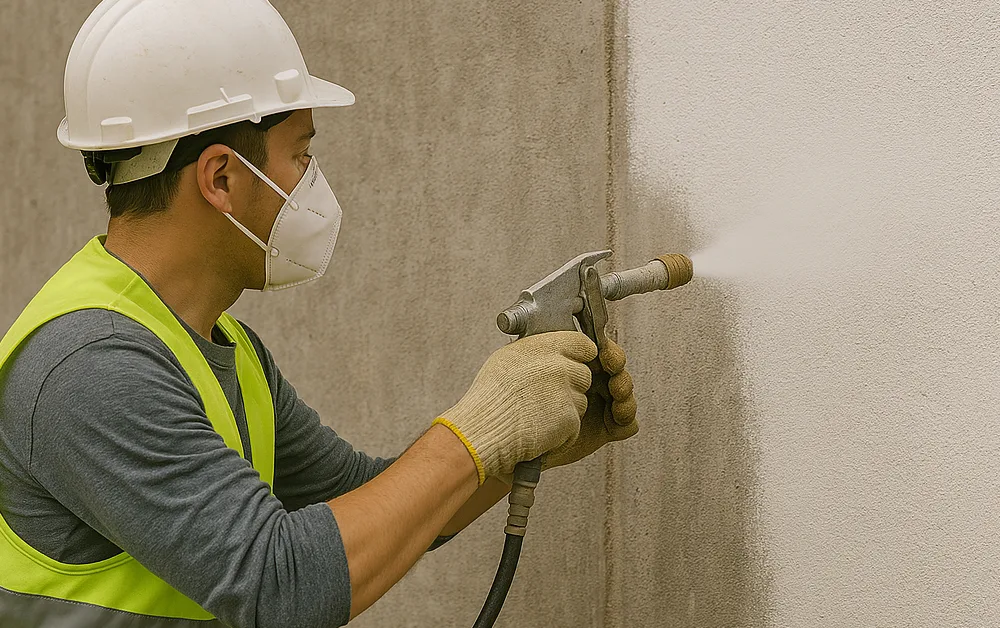
Watched your exterior wall paint peel and bubble within a single monsoon season, even though you paid decent money for it? That’s a frustratingly common story, and it usually comes down to picking the wrong product rather than bad luck. A proper waterproof exterior paint guide matters because the difference between products isn’t just marketing, it genuinely affects how long your walls stay protected.
I repainted my own house exterior two years ago after the previous job failed within eighteen months. Turns out the earlier contractor used a basic emulsion paint marketed loosely as “weather-resistant,” which isn’t the same thing as genuinely waterproof. Here’s what to actually look for so you don’t repeat that mistake.
Understand What “Waterproof” Actually Means in Paint
Quick answer: True waterproof exterior paint contains elastomeric or acrylic-based waterproofing additives that create a flexible, water-resistant film over the wall surface, unlike standard weather-resistant paints that merely reduce water absorption without fully sealing the surface.
This distinction trips up a lot of buyers. Standard exterior emulsion paints often get marketed with words like “weatherproof” or “weather shield,” but these aren’t the same as genuinely waterproof formulations designed to handle sustained water exposure and prevent seepage into the wall itself.
Check the product specification sheet specifically for waterproofing claims backed by actual test data, not just marketing language on the tin.
Elastomeric Waterproof Paint: The Strongest Option
Quick answer: Elastomeric waterproof paints form a thick, flexible, rubber-like coating that stretches and contracts with the wall’s temperature-driven expansion, offering superior crack-bridging ability and water resistance compared to standard acrylic exterior paints.
This is genuinely the top-tier option for serious waterproofing needs, especially for walls prone to hairline cracking from temperature swings.
- Cost: ₹90-180 per litre, higher than standard exterior paints
- Coverage: typically covers less area per litre due to thicker application
- Best for: walls with existing minor cracks, or areas with heavy monsoon exposure
I’ve noticed contractors don’t always recommend this by default since it costs more and requires slightly different application technique. Worth specifically asking for it if your walls have a history of seepage issues.
Acrylic Exterior Emulsion With Waterproofing Additives
Most mid-range exterior paints today include some waterproofing technology built into standard acrylic emulsion formulations.
- Cost: ₹40-90 per litre for decent quality options
- Provides reasonable water resistance for standard weather exposure, though less crack-bridging capacity than elastomeric options
- Suitable for most residential exteriors without significant existing crack issues
Picture a small business owner in Jaipur running a small retail shop who chose a mid-range acrylic waterproof paint for the shop’s exterior, mainly because the walls were in decent condition without major cracks. Three years later, still holding up well, proving this tier works fine when the underlying wall condition doesn’t demand elastomeric-level protection.
Checking Water Resistance Ratings and Test Certifications
Don’t just trust the can’s front label. Reputable manufacturers provide actual test data for water resistance performance.
Quick answer: Look for paints tested against standards like water beading performance, alkali resistance, and crack-bridging capacity (measured in percentage elongation), since these figures indicate genuine waterproofing performance rather than relying on marketing claims alone.
Ask your paint dealer or contractor for the technical data sheet, which most established brands provide on request. If they can’t produce one, that’s worth treating as a small red flag.
Surface Preparation Matters More Than Paint Choice Alone
Even the best waterproof paint fails if applied over poorly prepared walls. This is where I’ve noticed the biggest gap between a good paint job and a genuinely long-lasting one.
- Clean and remove all loose or flaking old paint before applying new coats
- Fill hairline cracks with appropriate filler before painting, not just painting over them
- Apply a proper primer coat, especially waterproofing-specific primers designed to work with the topcoat
Has this ever happened to you — a fresh paint job looking great initially, only to start peeling within a year? That’s often a prep issue, not necessarily a paint quality problem. [link to related guide on exterior wall crack repair here]
Number of Coats and Application Technique
Waterproof exterior paints typically need at least two coats, sometimes three for older walls with more absorption or existing damage.
Skimping on coats to save cost is probably the most common corner-cutting mistake in exterior painting jobs. A properly applied two-coat system with correct drying time between applications genuinely outperforms a rushed three-coat job done without adequate drying intervals. [link to related guide on hiring a reliable painting contractor here]
Choosing Based on Your Climate and Wall Exposure
Coastal properties, high-rainfall regions, and west-facing walls with intense sun exposure all need slightly different considerations. Coastal areas specifically benefit from paints with added salt-resistance, while high-sun-exposure walls benefit more from UV-resistant formulations alongside waterproofing.
FAQ: Waterproof Exterior Paint Guide
Q: How long does waterproof exterior paint typically last? Generally 5-8 years for quality elastomeric options, and 4-6 years for standard acrylic waterproof paints, depending on climate exposure and maintenance.
Q: Is elastomeric paint worth the extra cost over regular exterior paint? For walls with existing cracks or heavy monsoon exposure, yes, its flexibility and crack-bridging ability justify the higher price for most homeowners.
Q: Can I apply waterproof paint over old, peeling paint? No, proper surface preparation removing loose paint is essential first, otherwise the new coat won’t adhere properly and will likely fail early.
Q: How many coats of waterproof paint are needed for exteriors? Typically two coats minimum, sometimes three for older or more absorbent wall surfaces, with adequate drying time between each.
Q: Does waterproof exterior paint also prevent seepage inside the house? It significantly reduces seepage risk by sealing the exterior surface, though existing structural cracks may still need separate waterproofing treatment for complete protection.
Q: What’s the best time of year to apply exterior waterproof paint? Post-monsoon or pre-monsoon dry periods work best, giving the paint adequate time to cure fully before facing heavy rain exposure again.
Wrapping Up
Choosing the right waterproof exterior paint comes down to matching the product tier to your wall’s actual condition, checking for genuine test-backed waterproofing claims, and never skimping on surface preparation or the number of coats. Elastomeric options suit crack-prone or heavy-exposure walls, while quality acrylic waterproof paints handle standard conditions well.
Before your next exterior paint job, ask your contractor directly for the technical data sheet and confirm how many coats they’re planning. That conversation alone often reveals whether you’re getting a genuinely waterproof job or just a paint job that looks fine until the next monsoon.