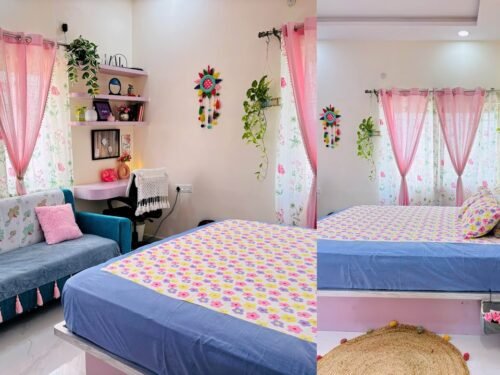
Wall Art Home Decor Ideas to Transform Any Room
Stare at a blank wall long enough and it starts to feel like an accusation. You know it needs something, but every…
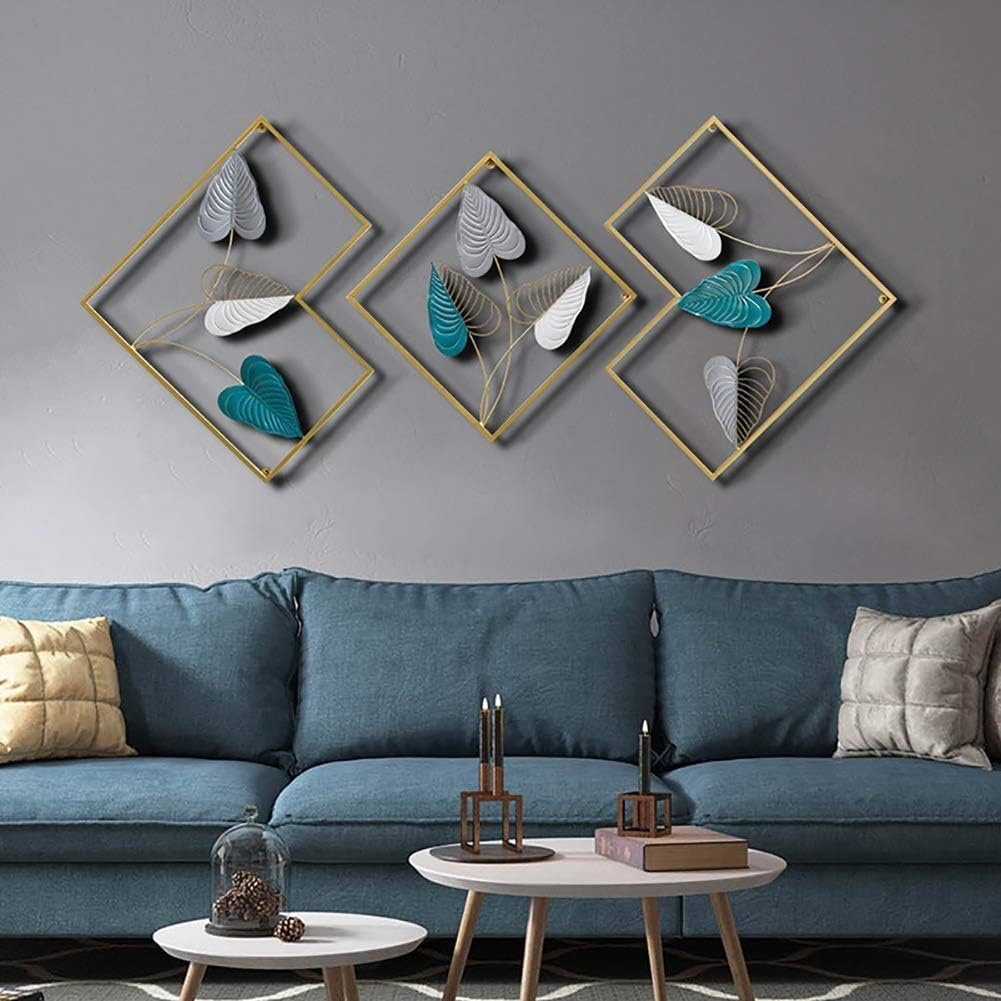
Stare at a blank wall long enough and it starts to feel like an accusation. You know it needs something, but every time you’re at a home store, nothing quite fits. That’s usually where wall art home decor ideas come in handy — not as an afterthought, but as the thing that actually finishes a room. I’ve redone three different rented flats over the years, and honestly, the walls made more difference than the furniture did. In 2026, with so many affordable print and framing options around, there’s really no excuse for a wall that just sits there doing nothing. Let’s get into what actually works.
Why Wall Art Matters More Than You Think
Wall art home decor ideas aren’t just decoration — they set the emotional tone of a room, guide the eye, and make a space feel finished in a way furniture alone can’t.
A sofa and a coffee table give you function. They don’t give you personality. That comes from what’s on the walls.
I’ve noticed that guests almost always comment on wall art before they mention anything else in the room — a framed print, a gallery wall, even a single bold poster. It’s the first thing that registers, probably because walls take up more visual real estate than anything else.
There’s also a psychological angle worth mentioning. Bare walls can make a room feel unfinished or even a bit cold, no matter how nice your furniture is. Add a few frames, and suddenly the same room feels lived-in and warm.
Building a Gallery Wall That Doesn’t Look Chaotic
Gallery walls get a bad reputation because they’re easy to mess up. Too many frames, no rhythm to the spacing, and suddenly it looks like a cluttered noticeboard instead of curated art.
Here’s what actually works: pick one thing to keep consistent, whether that’s frame color, mat width, or a loose color palette across the prints. Everything else can vary.
- Start with your largest piece and anchor it slightly off-center, not dead in the middle
- Lay the arrangement out on the floor first — trust me, this saves a lot of unnecessary nail holes
- Leave 5-7 cm of breathing room between frames; anything tighter starts to feel cramped
- Mix in one non-frame item, like a small mirror or a woven wall hanging, to break the monotony
Picture a small business owner in Jaipur decorating her new apartment. She had a stack of old travel postcards she never knew what to do with. A ₹1,200 set of thrifted frames later, and that stack became the most complimented wall in her living room.
Choosing Frames That Match Your Home’s Style
Frame choice should follow your existing decor style — thin black metal for modern interiors, warm wood tones for traditional or rustic spaces, and mixed metallics for eclectic rooms.
This is where a lot of people go wrong. They pick frames they like individually, without considering the room around them.
If your home leans modern and minimal, thin metal frames in black or brushed brass keep things clean. For a more traditional Indian home with wooden furniture, teak or sheesham-toned frames blend in far better than stark white ones would.
Don’t feel like every frame needs to match exactly, though. A mix of two or three complementary tones — say, black and warm wood — usually looks more intentional than one uniform set bought straight off a shelf.
Budget-Friendly Wall Art Ideas
You really don’t need original paintings to make a wall look good. Some of the best-looking walls I’ve seen cost next to nothing.
Printed photographs from your own phone gallery are an obvious starting point — a local print shop will usually do this for ₹10-20 a print. Fabric off-cuts, old maps, even pages torn from a coffee table book can be framed and hung with surprising results.
A few more ideas worth trying:
- Botanical prints — pressed leaves or flowers framed behind glass
- Typography art with a quote that actually means something to you, not a generic Pinterest line
- Kids’ artwork, framed properly instead of stuck to the fridge
- Vintage postcards or stamps grouped in a small cluster
Is expensive art nice? Sure. But it’s not necessary, and I’d argue a wall full of things that actually mean something beats a pricier print every time.
Mixing Wall Art with Other Decor Elements
Wall art doesn’t exist in isolation — it needs to talk to the rest of the room. A gallery wall above a cluttered shelf just competes with itself.
Try echoing a color from your art in a cushion or a throw nearby. It ties the whole room together without looking too matched or showroom-like. Shelving with small plants or books beneath a framed piece also softens the look, so it doesn’t feel like a museum wall.
Where to Place Wall Art for Maximum Impact
Placement matters as much as the art itself. The general rule is to hang pieces at eye level, roughly 145-150 cm from the floor to the center of the frame — though this bends a bit depending on ceiling height and furniture below it.
Above a sofa or bed, keep the art two-thirds the width of the furniture below it for proportion. Too small, and it looks lost; too large, and it overwhelms the piece it’s meant to complement.
Frequently Asked Questions
How high should I hang wall art? Center of the frame at eye level, usually around 145-150 cm from the floor, works for most rooms. Above furniture, adjust based on the piece’s height rather than sticking rigidly to the number.
What’s the cheapest way to decorate walls with art? Printed photos, thrifted frames, and framed fabric scraps are the most budget-friendly options, often costing under ₹1,500 for a full small gallery wall.
Should all my frames match? Not necessarily. A mix of two or three complementary tones usually looks more curated than an exact matching set.
How many pieces do I need for a gallery wall? Anywhere from 5 to 9 pieces works well for most walls — fewer can feel sparse, and much more starts crowding the space.
Can I hang wall art without drilling holes? Yes, adhesive hooks and strips rated for frame weight work fine for lighter pieces, which is especially useful for renters.
Conclusion
Wall art home decor doesn’t need a big budget or a perfect eye — it needs intention. Pick pieces that actually mean something to you, pay attention to spacing and frame style, and don’t be afraid to mix things up a little. Next time you’re staring at that blank wall, don’t reach for whatever’s on sale — grab a few of your own photos, a couple of thrifted frames, and just start arranging.