Termite Prevention Tips: Protect Your Home in 2026
Found a thin mud tube running up your wall recently, or noticed wooden furniture that sounds hollow when you tap it? That’s…
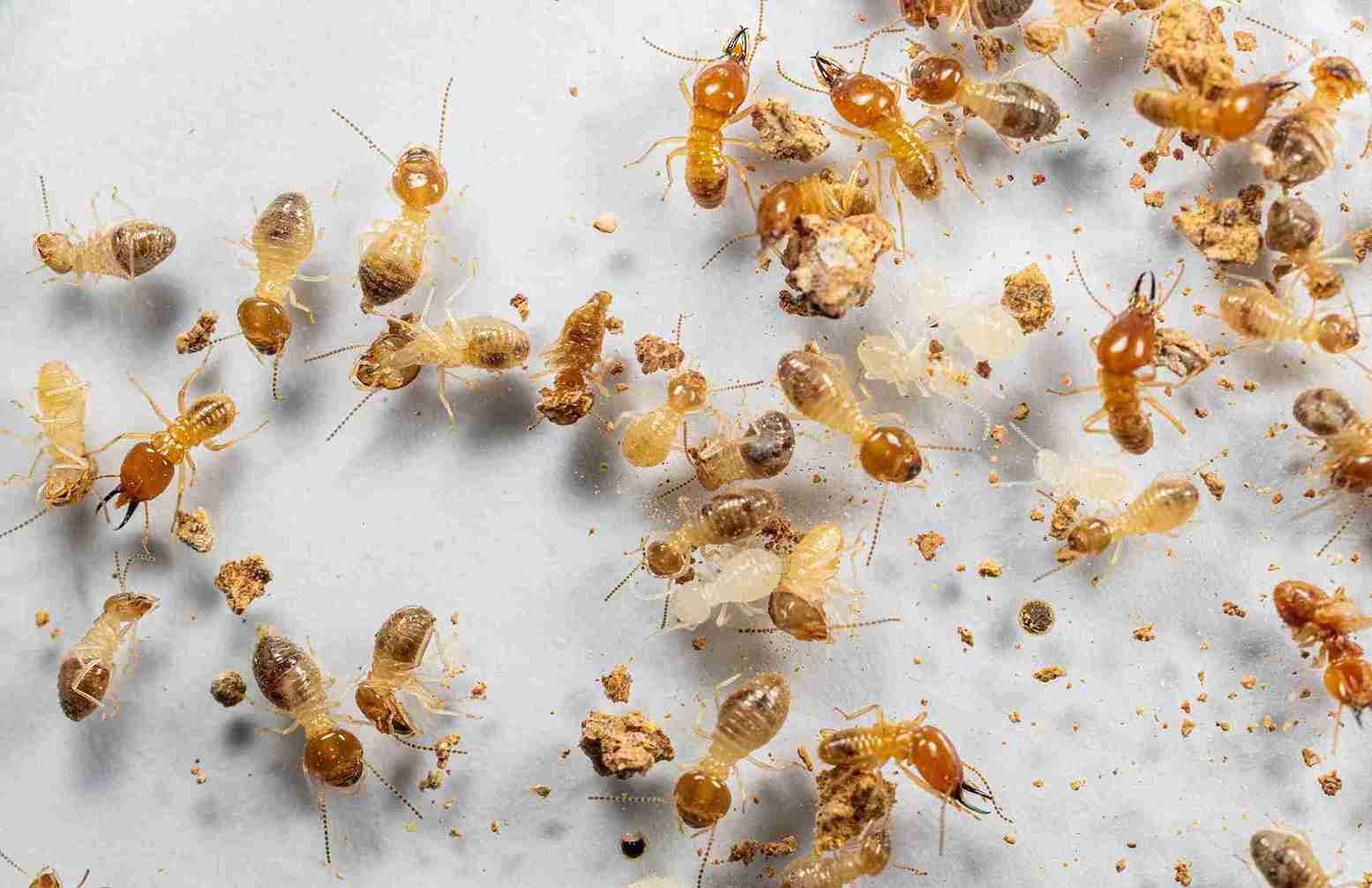
Found a thin mud tube running up your wall recently, or noticed wooden furniture that sounds hollow when you tap it? That’s usually the first sign people notice, and by then, termites have already been at work for a while. Good termite prevention tips exist precisely because catching this early saves an enormous amount of money and heartbreak.
I’ve seen termite damage go from “small patch on a door frame” to “entire wooden almirah collapsed” in about eight months. It’s genuinely faster than people expect. The good news is prevention isn’t complicated, and most of it doesn’t need a professional. Let’s get into what actually works.
Understand What Attracts Termites in the First Place
Quick answer: Termites are drawn to moisture, untreated wood, and direct wood-to-soil contact. Homes with poor drainage, leaking pipes, or wooden structures touching the ground are at significantly higher risk of infestation.
Termites need three things to thrive: moisture, cellulose (wood, paper, cardboard), and access — usually through cracks in the foundation or direct soil contact. Fix any one of these and you cut the risk substantially.
I’ve noticed a lot of older homes in India have wooden door frames installed directly against soil or concrete without any barrier. That’s basically an open invitation.
Fix Moisture Problems Around the House
This is the single biggest thing you can control, and yet it’s the most ignored.
- Repair leaking pipes and taps immediately, even small drips
- Improve drainage around the foundation so water doesn’t pool near walls
- Keep gutters clear so rainwater doesn’t seep down exterior walls
- Ventilate bathrooms and kitchens properly to reduce indoor humidity
Has this ever happened to you — a small leak under the kitchen sink that you kept meaning to fix? That’s exactly the kind of thing termites and subterranean pests look for.
Keep Wood Away From Direct Soil Contact
Wooden furniture, door frames, and structural beams touching soil directly create an easy entry point. Even firewood or wooden crates stacked against an exterior wall count.
Quick answer: Maintaining at least 6 inches of clearance between wooden structures and soil, along with using concrete or metal barriers where wood meets the ground, significantly reduces termite entry points into a home.
Picture a small business owner in Jaipur storing wooden furniture stock directly on a warehouse floor touching an exterior wall. Within a year, an inspection found termite activity spreading from the wall into the stock itself — a loss that could’ve been avoided with simple raised platforms.
Get Pre-Construction Termite Treatment (If Building New)
If you’re constructing a new home, this is the cheapest and most effective prevention step available, full stop. Pre-construction soil treatment creates a chemical barrier before the foundation even goes in.
Most contractors offer this as part of the construction package, typically costing ₹15,000-40,000 depending on plot size. Skipping it to save money upfront almost always costs more later in remedial treatment.
Schedule Regular Professional Inspections
Quick answer: Annual termite inspections by a licensed pest control professional catch early-stage infestations before they cause structural damage, and most companies offer this as a low-cost add-on to existing treatment contracts.
Even without visible signs, an annual check is worth it, especially for homes with wooden furniture, flooring, or roof structures. Inspectors know what to look for — subtle mud tubes, hollow-sounding wood, discarded wings near windowsills — that most homeowners miss entirely.
- Check wooden furniture and flooring for hollow sounds when tapped
- Look for mud tubes along walls, especially in damp or shaded corners
- Watch for discarded termite wings near windows after monsoon season
Use Termite-Resistant Materials Where Possible
If you’re renovating or building, choosing termite-resistant materials for high-risk areas (like door frames touching walls, or ground-floor flooring) pays off long-term. Treated wood, steel frames, or composite materials cost more upfront but eliminate a recurring risk entirely. [link to related guide on choosing renovation materials here]
Don’t Ignore Small Warning Signs
I’ll admit, this is where I disagree with a lot of general advice out there. People wait for major visible damage before calling a pest control service, but by then you’re looking at structural repair, not just treatment.
Small signs worth acting on immediately:
- Faint hollow sound when tapping wooden furniture or frames
- Tiny mud tunnels along baseboards or exterior walls
- Discarded wings scattered near windows, usually post-monsoon
- Soft or crumbling wood at door frame edges
Catching any of these early usually means a localized treatment costing a few thousand rupees, instead of full furniture or structural replacement. [link to related guide on pre-monsoon home maintenance here]
FAQ: Termite Prevention Tips
Q: How often should I get my house inspected for termites? Once a year is generally sufficient for most homes, though older properties or homes with a history of infestation might benefit from checks every 6 months.
Q: Can I prevent termites without chemical treatment? Partially, yes. Fixing moisture issues and eliminating wood-to-soil contact reduces risk significantly, though chemical soil treatment remains the most effective long-term barrier.
Q: Is termite damage covered under home insurance? Usually not. Most standard home insurance policies in India treat termite damage as a maintenance issue rather than a covered peril, so prevention really is the better investment.
Q: How much does professional termite treatment typically cost? For an existing home, treatment usually ranges from ₹8,000-25,000 depending on the property size and severity of infestation.
Q: What time of year are termites most active? Right after monsoon and during humid months, since moisture drives their activity and reproduction cycles.
Q: Can termites damage concrete or only wood? Termites target wood, paper, and cellulose-based materials directly, but they can travel through tiny cracks in concrete to reach wooden structures inside.
Wrapping Up
Termite prevention really comes down to controlling moisture, avoiding wood-to-soil contact, and not waiting for major damage before acting on small warning signs. Whether you’re dealing with an existing home or planning new construction, the earlier you address these basics, the less you’ll spend down the line.
Walk around your house this weekend and check the spots mentioned here — door frames, damp corners, wooden furniture against walls. Catching something small now beats discovering a bigger problem next monsoon.