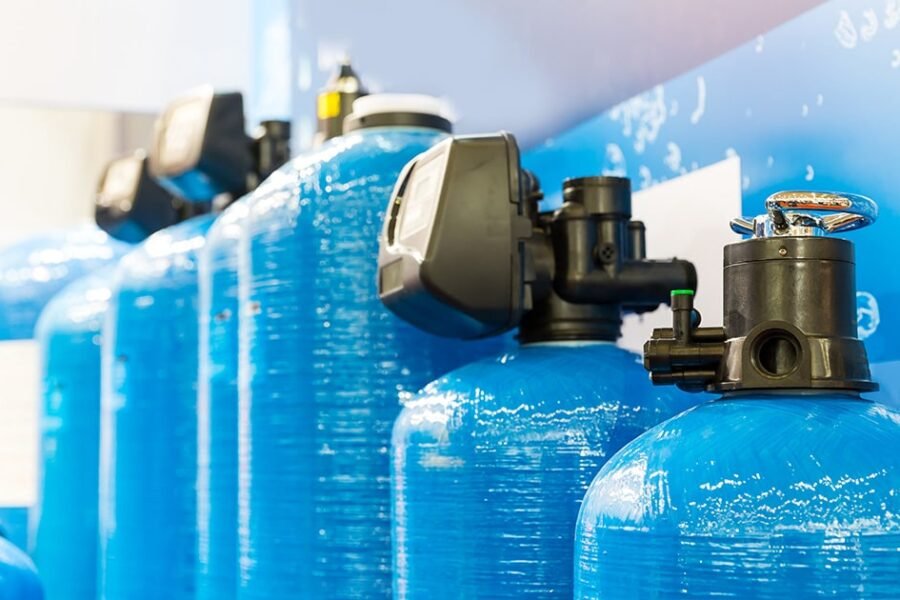
Tag: well water treatment

  • Making Well Water Better for Everyday Living

    Making Well Water Better for Everyday Living

    There’s something reassuring about having your own well. You’re not relying on a municipal supply, and in many homes, that independence is a big part of the appeal. But private well water comes with its own responsibilities. Unlike city water, it isn’t routinely managed by a public utility after it reaches your property. What’s in that water can vary with local geology, weather, groundwater conditions, and even changes happening around your land.

    Sometimes the signs are obvious. Maybe the water has a metallic smell, leaves orange marks in the sink, or looks slightly cloudy in a glass. Other times, the issue is much quieter. You may simply notice that coffee doesn’t taste quite right or that your fixtures seem to collect buildup faster than they used to.

    That’s where thoughtful well water treatment can make a meaningful difference. The goal isn’t to treat every well as if it has a serious problem. It’s to understand what’s actually in your water and choose a solution that matches your home.

    Start With Testing, Not Guesswork

    It’s tempting to buy a filter based on a symptom. Brownish water? Try an iron filter. Strange smell? Add a carbon system. Hard water? Install a softener. Sometimes that approach works. Sometimes it doesn’t.

    Water testing gives you a clearer starting point.

    A proper test can identify concerns such as hardness, iron, manganese, pH, sulfur-related compounds, nitrates, and other characteristics that affect water quality. Microbiological testing may also be important for private wells, especially when there are concerns about bacteria.

    The point is simple: different water problems need different treatment methods. Testing helps prevent you from spending money on equipment that solves the wrong problem.

    Hard Water Is More Than an Annoyance

    Hard water is one of the most common concerns for well owners. It happens when groundwater picks up minerals such as calcium and magnesium as it moves through rock and soil.

    You might notice spots on shower doors, a chalky film around faucets, or soap that seems reluctant to lather. Over time, mineral deposits can also accumulate inside plumbing, appliances, water heaters, and fixtures.

    Installing a softener can reduce these effects by exchanging hardness minerals for sodium or potassium ions, depending on the system. That can make cleaning easier and help reduce scale throughout the home.

    Still, not every well needs the same level of softening. Water hardness should be measured first, and the system should be sized according to actual household demand. A family of two using water differently from a family of six shouldn’t necessarily have identical equipment.

    Iron and Manganese Can Change the Look of Your Water

    Iron is another familiar issue with private wells. Even relatively small amounts can create rusty stains around sinks, toilets, and tubs. Higher concentrations may give water a metallic taste or cause discoloration.

    Manganese can produce dark staining and may affect taste as well. These minerals aren’t always handled effectively by a basic cartridge filter. Depending on their concentration and the chemistry of the water, specialized filtration or oxidation-based treatment may be more appropriate.

    This is one reason professional water analysis matters. Treatment equipment works best when it’s selected around the chemistry of the water rather than the appearance of the symptoms alone.

    Think About What You Actually Want From Your Drinking Water

    Whole-home treatment and drinking-water treatment don’t always have to be the same thing.

    A household may want conditioned water for showers, laundry, and appliances while also wanting an additional level of filtration at the kitchen sink. Depending on the water test, options can include activated carbon filtration, sediment filtration, reverse osmosis, or other specialty systems.

    For many people, the difference is noticeable in everyday routines. Water used for coffee, cooking, ice, and drinking becomes more appealing when unwanted tastes and odors are reduced. In other words, great tasting water isn’t just about drinking more glasses because someone told you to. It’s about making the water in your own kitchen something you actually enjoy using.

    That small change can add up. Better-tasting water can mean fewer bottled-water purchases and more confidence when filling a glass straight from the tap.

    Don’t Ignore pH and Corrosion

    Water chemistry is a little more complicated than hardness alone. pH plays an important role in how water interacts with plumbing and fixtures.

    If well water is too acidic, it may contribute to corrosion in certain plumbing systems. In homes with copper pipes, for example, corrosive water can sometimes be associated with blue-green staining around fixtures.

    A water test can reveal whether pH adjustment may be necessary. Depending on the results, a neutralizing filter or another conditioning approach may help bring the water closer to a balanced range.

    The important thing is not to chase a single number without understanding the bigger picture. pH, alkalinity, hardness, and other water characteristics can interact, so treatment decisions should consider the complete test rather than one isolated measurement.

    What About Sulfur Smells?

    That familiar rotten-egg smell is one of the quickest ways a homeowner knows something is different about their well water.

    Hydrogen sulfide can create an unpleasant odor, sometimes even at very low concentrations. Treatment depends on the cause and concentration. Aeration, oxidation, activated carbon, or other systems may be considered depending on the situation.

    There’s no universal fix. A system that works beautifully for one well might be poorly suited to another. Again, water chemistry is the deciding factor.

    Choose Equipment for the Long Haul

    A treatment system shouldn’t feel like another appliance you constantly have to think about. Before buying anything, consider maintenance requirements, filter replacement schedules, regeneration cycles, installation space, water usage, and operating costs.

    The cheapest equipment upfront isn’t automatically the least expensive over several years. Likewise, the most complicated system isn’t necessarily the right one.

    Good treatment is usually about balance. You want enough capacity to handle your household comfortably without paying for features you don’t need.

    That’s especially true for growing families. Water use changes as children get older, guests stay over, or a home gains another bathroom. Thinking a little ahead can make the system more practical.

    Better Water Starts With Knowing Your Well

    There’s no single definition of “good” well water. Every well has its own personality, in a way. The surrounding geology, depth, plumbing, seasonal conditions, and household usage all play a part.

    The best approach is therefore straightforward: test the water, understand the results, identify the problems that actually matter, and choose treatment around those findings.

    For households dealing with hardness, mineral staining, unpleasant odors, or questionable taste, soft water can make daily life noticeably easier. But the real benefit goes beyond cleaner fixtures or better showers. It’s the confidence of knowing what’s coming through your taps and having a system designed to handle it.

    Well ownership comes with responsibility, sure. But it doesn’t have to come with endless frustration. With the right information and appropriately selected treatment, your well can provide dependable water for drinking, cooking, cleaning, and everything else that happens under your roof. Sometimes, better water starts with something as simple as taking a closer look at what you already have.

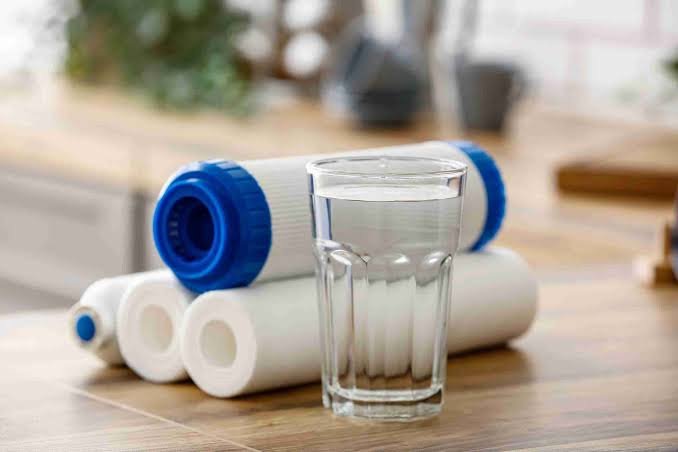
  • Making Sense of Your Water: Practical Solutions for Homes and Businesses

    Making Sense of Your Water: Practical Solutions for Homes and Businesses

    Water is easy to take for granted. You turn on the kitchen faucet, fill a glass, start the washing machine, and move on with your day. It’s only when the water tastes strange, leaves stains behind, or starts creating problems with appliances that you begin wondering what’s actually happening inside the pipes.

    And that’s a fair question.

    Water quality can vary considerably from one property to another. Even homes in the same neighborhood may have noticeably different experiences, especially when they rely on private wells. Businesses face their own challenges, too, because water quality can affect equipment, operations, customer experiences, and maintenance costs.

    The good news is that you don’t have to guess your way through it. A little testing, some practical monitoring, and the right treatment approach can go a long way.

    Start by Understanding Your Water

    Before choosing any treatment equipment, find out what you’re dealing with. It sounds obvious, but people often start shopping for a solution before they know the actual problem.

    Water testing can provide useful information about hardness, pH, iron, manganese, sediment, dissolved solids, bacteria, and other potential concerns. The right testing panel depends on the water source and how the water is being used.

    Municipal water generally has a treatment and distribution process behind it, while private wells place more responsibility on the property owner. That difference matters. A well can pick up minerals and other substances from the surrounding geology, and those characteristics can change over time.

    Why Well Water Needs Special Attention

    Private wells can provide an excellent water supply, but they don’t come with the same centralized treatment infrastructure as city water. The condition of the well, surrounding soil, groundwater characteristics, and plumbing can all influence quality.

    Homeowners sometimes notice rusty-colored stains, sulfur-like odors, cloudy water, or scale buildup. Other issues may not be visible at all.

    A properly planned well water treatment system starts with testing rather than assumptions. Depending on the results, treatment might involve sediment filtration, iron removal, odor control, water softening, disinfection, or another specialized technology.

    There isn’t one magic filter for every well. That’s actually good news, because it means treatment can be tailored to the specific water rather than relying on a generic setup.

    Pay Attention to Changes

    One useful habit is simply noticing when something changes.

    If the water suddenly develops a metallic taste, pressure drops, an odor appears, or fixtures begin staining more quickly, don’t brush it off. It doesn’t necessarily mean there’s a serious problem, but it does mean something has changed.

    This is particularly important with private wells. Seasonal groundwater changes, heavy rainfall, flooding, nearby construction, or changes in well conditions can sometimes influence water quality.

    Keeping occasional records of water testing results can make these changes easier to spot. You don’t need a complicated spreadsheet unless that’s your thing. Even a simple file with dates and test results can be helpful.

    Technology Can Make Monitoring Easier

    Modern water treatment isn’t only about filters and tanks anymore. Monitoring technology is becoming more useful for homeowners who want to understand what’s happening between service visits.

    Smart water monitoring can provide information about water usage, leaks, pressure, or selected water-quality measurements, depending on the device. Some systems can send alerts when unusual activity is detected.

    Imagine leaving home for the weekend and receiving an alert that water has been running continuously. That’s the kind of information that can prevent a small leak from turning into a very expensive surprise.

    Monitoring doesn’t replace professional testing, and it shouldn’t be treated as a substitute for proper treatment equipment. Think of it more like having an extra set of eyes on the plumbing.

    Water Quality Matters in Commercial Properties

    Businesses have a different set of priorities. A restaurant, hotel, manufacturing facility, office building, healthcare environment, or apartment complex may use thousands of gallons of water every day.

    Water quality can affect boilers, cooling equipment, production processes, kitchens, laundry systems, fixtures, and other equipment. Hardness and scale, for example, can become expensive problems when they’re allowed to build up over time.

    This is where commercial water systems need to be designed around the property’s actual demands. Flow rates, peak usage, incoming water quality, equipment requirements, and available installation space all have to be considered.

    A small office and a busy food-service operation shouldn’t necessarily receive the same treatment setup. Capacity matters, but so does the purpose of the water.

    Think About Water as Part of Operating Costs

    It’s easy to think of water treatment as another maintenance expense. But properly managed water can sometimes help control costs elsewhere.

    Scale buildup can reduce the efficiency of certain water-using equipment. Excessive sediment can clog components. Poorly treated water may increase cleaning requirements or shorten the useful life of appliances and fixtures.

    For commercial properties, these effects can multiply because equipment is used so frequently.

    That doesn’t mean every business needs an elaborate treatment plant. It means water quality deserves a place in maintenance planning, rather than being addressed only after equipment starts acting up.

    Maintenance Isn’t Optional

    Even excellent equipment needs attention.

    Filters need replacement. Tanks and valves may require inspection. Sensors need to remain functional. Some treatment systems require periodic cleaning or sanitization. Commercial installations may also need more frequent service because of their heavier workload.

    Ignoring maintenance is a bit like buying a good car and never changing its oil. The equipment may continue working for a while, but eventually the consequences show up.

    Keep service records and know the manufacturer’s recommended maintenance intervals. If water quality changes noticeably between scheduled visits, have it checked rather than waiting for the next appointment.

    Don’t Over-Treat Your Water

    More treatment isn’t automatically better.

    This is an important point because homeowners and businesses can easily end up paying for equipment they don’t actually need. If testing shows that a particular contaminant isn’t present, there’s little reason to install expensive equipment specifically designed to remove it.

    The goal should be appropriate treatment, not maximum treatment.

    A qualified water professional can help interpret test results and explain which technologies are relevant. Ask what a system removes, what it doesn’t remove, how much maintenance it requires, and what the expected operating costs will be.

    Clear answers are worth more than a flashy sales pitch.

    Plan for the Future

    Water needs can change. A household might grow. A business might expand. New appliances may be added. A property could switch from one water source to another.

    When selecting equipment, consider not only today’s demand but also reasonable future requirements. At the same time, avoid dramatically oversizing a system simply because you think bigger must be better.

    Good planning finds the middle ground.

    For commercial properties especially, expansion should be discussed during system design. It may be easier to accommodate future demand during the original installation than to rebuild everything later.

    Better Water Starts With Better Decisions

    There’s no single water treatment solution that makes sense for every property. The right answer depends on the source, the water chemistry, the way the water is used, and the problems you’re actually trying to solve.

    For a private well, testing and targeted treatment can provide confidence that the water is being managed appropriately. For a home or business, monitoring can help identify unusual usage and potential leaks before they become costly. And for commercial facilities, properly sized treatment equipment can support both daily operations and long-term equipment care.

    The smartest approach is usually the least complicated one that genuinely solves the problem.

    Start with information. Test the water. Understand the results. Choose treatment around those findings, then maintain the equipment properly.

    Water may seem ordinary, but it touches almost every corner of a property. Getting it right isn’t about chasing perfect water. It’s about creating a system that works reliably, makes sense financially, and gives you one less thing to worry about.

  • When Your Well Water Changes, Start by Finding Out Why

    When Your Well Water Changes, Start by Finding Out Why

    There’s something comforting about having your own well. You’re not depending on a municipal water line, and in many homes, that private water source has been doing its job quietly for years. Then one morning the water tastes different. Maybe it smells slightly metallic, leaves a stain in the sink, or looks cloudy for a few seconds after the tap is turned on. It’s easy to shrug it off. Water is water, right?

    Not quite.

    Private wells can be remarkably reliable, but the quality of their water can change with the seasons, groundwater conditions, plumbing, or even activity happening nearby. The important thing is not to panic — and not to guess. Understanding what is actually in the water is the first step toward fixing the problem.

    Your Well Water Has Its Own Personality

    Unlike treated municipal water, private well water isn’t managed by a local utility on a day-to-day basis. What comes out of the faucet reflects the groundwater beneath your property and the condition of your well and plumbing system.

    That can mean considerable variation. One home may have naturally hard water loaded with calcium and magnesium. Another may struggle with iron that creates orange stains around fixtures. Some wells develop sulfur odors, while others may have elevated levels of minerals or other contaminants that aren’t obvious from taste or appearance.

    This is why well water treatment isn’t a one-size-fits-all job. A system that works beautifully for your neighbor might do very little for your water. The treatment has to match the actual issue.

    And sometimes, what looks like a water problem isn’t really a water problem at all. A failing pressure tank, old plumbing, or damaged well component can create symptoms that deserve attention.

    Don’t Judge Water by Its Appearance

    Clear water can still contain substances you don’t want in your drinking supply. On the other hand, water that looks slightly cloudy isn’t automatically dangerous.

    That’s why relying on sight, smell, or taste alone can be misleading.

    For example, iron may produce obvious reddish stains, but other concerns aren’t visible at all. Bacteria and certain dissolved substances can be present without changing the water’s appearance. You can’t reliably identify those issues by filling a glass and holding it up to the light.

    Regular testing gives you something much more useful than guesswork: information.

    Testing Is the Smart Starting Point

    For homeowners with private wells, in-home water testing can provide a convenient way to understand basic water-quality concerns. Testing can help identify factors such as pH, hardness, iron, manganese, bacteria, nitrates, and other substances depending on the type of test being performed.

    The important detail is choosing appropriate testing rather than ordering a random kit and assuming it covers everything. Different water sources have different risks, and local conditions can influence what should be checked.

    It’s also wise to test after certain events, such as flooding, changes in taste or odor, well repairs, or other circumstances that could affect the water supply. If someone in the household becomes unexpectedly ill, professional guidance and appropriate laboratory testing are especially important rather than relying on a basic home kit.

    Think of testing as a health check for your water system. You’re not testing because something must be wrong. You’re testing because knowing is better than wondering.

    Hard Water Can Wear You Down

    Hard water is one of those problems that usually announces itself slowly. At first, you notice spots on glasses. Then soap seems harder to rinse away. Eventually, mineral scale starts appearing around faucets and inside appliances.

    The primary culprits are calcium and magnesium. They aren’t necessarily a serious drinking-water concern at ordinary levels, but they can be tough on plumbing and household equipment.

    A properly sized softener can reduce these minerals and make everyday cleaning easier. But don’t assume softness is always the answer. If your water contains iron, sulfur, sediment, or other contaminants, additional treatment may be necessary.

    The right approach depends on what the testing shows.

    Some Problems Need Specialized Treatment

    Water treatment becomes more complicated when several issues occur at once. Imagine water that is hard, contains iron, and has a noticeable sulfur smell. Installing a basic softener and hoping for the best probably isn’t the ideal plan.

    Specialized problem water treatment is designed for situations where ordinary filtration or softening doesn’t address the underlying issue. Depending on the water chemistry, treatment may involve oxidation, filtration media, carbon filtration, ultraviolet disinfection, reverse osmosis, or combinations of technologies.

    The sequence matters, too. A sediment filter might be installed before another treatment stage to protect downstream equipment. Iron removal may need to happen before softening. Drinking water may receive additional treatment at a kitchen faucet.

    It’s less about buying more equipment and more about putting the right equipment in the right place.

    Don’t Forget the Well Itself

    Homeowners sometimes focus entirely on the water and overlook the structure supplying it.

    A well should be inspected periodically, particularly if you’ve noticed sudden changes in water quality. The well cap, casing, surrounding ground, pressure equipment, and other components all play a role in protecting the water supply.

    Keep potential contamination sources away from the well area where possible. Poor drainage, flooding, damaged components, and nearby activities can create pathways for unwanted substances to enter the system.

    If water quality changes suddenly, don’t automatically assume you simply need a stronger filter. Find out whether something changed upstream.

    Maintenance Is Part of the Solution

    A water-treatment system isn’t a set-it-and-forget-it appliance.

    Filters eventually become loaded with sediment. Treatment media can require replacement or regeneration. Ultraviolet systems need appropriate lamp maintenance. Reverse osmosis membranes don’t last forever. Even a well-designed system can perform poorly if routine service is ignored.

    Keeping records helps. Write down when filters were replaced, when the water was tested, and when equipment was serviced. It sounds a little obsessive, perhaps, but six months later you’ll be glad you did.

    Regular maintenance also makes it easier to spot patterns. If iron levels suddenly rise or filters become clogged much faster than usual, that information can point toward a developing problem.

    The Best Treatment Is Based on Evidence

    There’s a temptation to search for the “best” well filter or the strongest treatment system and call it done. But water doesn’t work that way.

    The best solution is the one that addresses your specific water chemistry, household needs, and equipment setup. Testing provides the evidence. A professional evaluation can then turn that information into a sensible treatment plan.

    And remember, more filtration isn’t automatically better. Over-treating water can add unnecessary expense, maintenance, and complexity. Good water treatment is usually targeted, not excessive.

    Your well has probably been serving your home quietly for years. Give it the same thoughtful attention you’d give any other important part of the house. If the water changes, investigate. If you’re unsure, test it. And if a real problem turns up, deal with the cause rather than simply masking the symptoms.

    Clean, dependable water shouldn’t be something you have to think about every morning. With the right information and a little regular care, it can go back to being exactly that — something you simply turn on and trust.