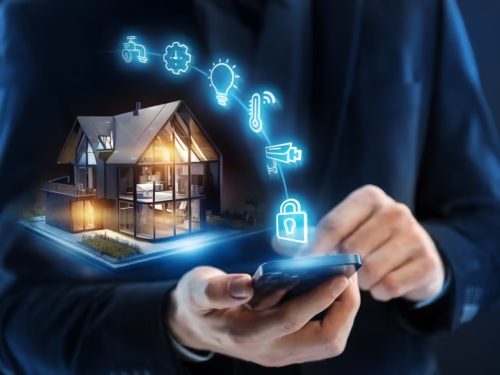
Smart Door Lock vs Traditional Lock: Which Wins in 2026?
Standing in a hardware store, keys jingling in one hand and a smart lock brochure in the other — has this been…
Standing in a hardware store, keys jingling in one hand and a smart lock brochure in the other — has this been you recently? A lot of homeowners hit this exact moment when they’re renovating the front door or just tired of losing keys. The smart door lock vs traditional lock question comes up more often now that prices have dropped and options have multiplied.
I’ll say this upfront: neither option is universally “better.” It depends heavily on your household, your building’s setup, and honestly, your patience for occasional tech glitches. In 2026, smart locks have gotten a lot more reliable than they were even three years ago, but traditional locks still win in certain situations. Let’s break down where each one actually makes sense.
What Makes a Lock “Smart” Anyway?
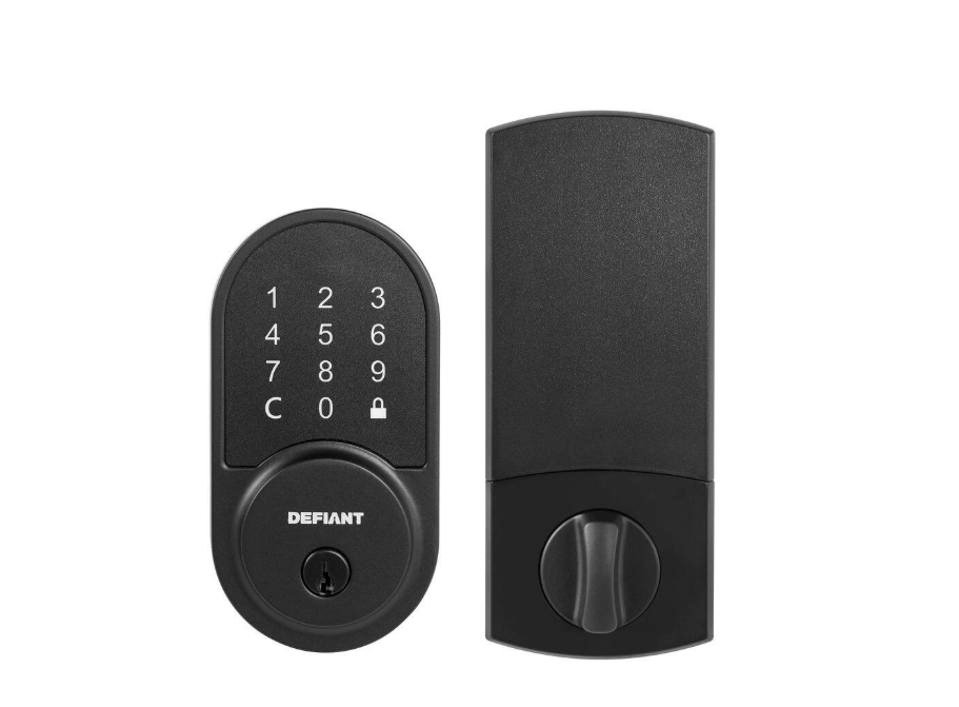
Quick answer: A smart door lock uses electronic mechanisms — PIN codes, fingerprint scanners, mobile app control, or RFID cards — instead of a traditional key, often adding remote access and activity logs as extra features.
Most smart locks fall into a few categories: PIN-based keypads, fingerprint locks, app-controlled locks via Bluetooth or Wi-Fi, and card-based systems similar to hotel locks. Some combine two or three of these methods, which honestly makes sense for backup access if one method fails.
Prices in India for a decent smart lock typically range from ₹8,000 to ₹35,000, depending on brand and features. Godrej, Yale, and a few newer Indian brands have gotten fairly competitive on pricing lately.
Security Comparison: Which Actually Protects Better?
This is where opinions get heated, and I’ll admit I’ve gone back and forth on this myself.
Quick answer: Traditional locks are vulnerable to physical picking and key duplication, while smart locks eliminate those risks but introduce new ones like battery failure, hacking attempts, or app malfunctions — neither is inherently more secure across the board.
A traditional deadbolt with good build quality is genuinely hard to pick without specialized tools and time. But keys get duplicated without your knowledge, and that’s a real risk, especially in shared buildings or homes with domestic help turnover.
Smart locks solve the duplication problem entirely, since access codes can be changed or revoked instantly. But they introduce different concerns:
- Battery drain leaving you locked out at an inconvenient time
- Wi-Fi based models being theoretically vulnerable to hacking, though this risk is often overstated for home use
- App or firmware bugs causing occasional connectivity issues
Cost Comparison Over Time
Upfront cost tells only part of the story here.
A quality traditional lock costs ₹1,500-5,000 for a solid brand, installation included. Smart locks run considerably higher upfront, ₹8,000-35,000, plus occasional battery replacement (usually every 6-12 months) and potential subscription fees for cloud features on some models.
Picture a small business owner in Jaipur managing a rental property with frequent tenant turnover. Re-keying a traditional lock between tenants costs money and hassle every single time. A smart lock with changeable access codes eliminates that recurring cost entirely after the initial investment — this is genuinely where smart locks win, hands down.
Convenience and Daily Use
Has this ever happened to you — hands full of grocery bags, fumbling for keys at the door? That’s the exact scenario smart locks solve well.
- No physical keys to lose, forget, or fumble with
- Remote access lets you let in family or guests even when you’re not home
- Activity logs show exactly who entered and when, useful for households with domestic staff or elderly parents living alone
Traditional locks, though, need zero tech literacy. My grandmother would’ve struggled with a PIN pad; a regular key, never an issue.
Installation and Maintenance Considerations
Traditional locks are simple — any local locksmith installs one in under 30 minutes, and repairs are cheap and widely available across pretty much every city and town.
Smart locks need slightly more planning. Check door thickness and material compatibility before buying, since not every smart lock fits every door type. Installation sometimes needs a technician from the brand itself, and repairs can take longer if parts aren’t locally stocked. [link to related guide on home security upgrades here]
Which One Should You Actually Choose?
Genuinely, this depends on your situation more than any universal recommendation.
Go traditional if you want zero maintenance, lower upfront cost, and don’t mind managing physical keys. Go smart if you deal with frequent guests, rental turnover, elderly family members who might benefit from remote monitoring, or you just want to ditch keys entirely. [link to related guide on best home security systems here]
I lean smart lock myself for the main entrance, but I still keep a traditional deadbolt as backup on that same door. Belt and suspenders, basically.
FAQ: Smart Door Lock vs Traditional Lock
Q: Are smart locks safe during power outages? Yes, most run on battery power independent of home electricity, though it’s worth checking battery life specs before buying.
Q: Can smart locks be hacked easily? Not easily for most home use cases. Reputable brands use encryption, and the realistic risk is lower than commonly assumed, though no system is completely immune.
Q: Do smart locks work with existing doors? Most do, but door thickness and material matter. Always check compatibility specs before purchasing.
Q: What happens if a smart lock’s battery dies? Most models alert you well before battery depletion and include a backup physical key or USB emergency power option.
Q: Are traditional locks becoming outdated? Not really. They remain reliable, affordable, and require no tech knowledge, which keeps them relevant for many households.
Q: Which is better for rental properties? Smart locks generally work better here since access codes can be changed between tenants without re-keying the entire lock.
Wrapping Up
There’s no single right answer in the smart door lock vs traditional lock debate. Traditional locks win on simplicity and low cost. Smart locks win on convenience, remote access, and situations with frequent turnover like rentals.
If you’re still unsure, consider your specific household needs rather than following trends. Test a smart lock on a secondary door first if you’re hesitant — that way you’ll know if it fits your daily routine before committing on your main entrance.