Kitchen Chimney Cleaning Guide: Stove Included
Noticed your kitchen chimney making more noise than usual, or smoke lingering longer after cooking than it used to? That’s usually the…
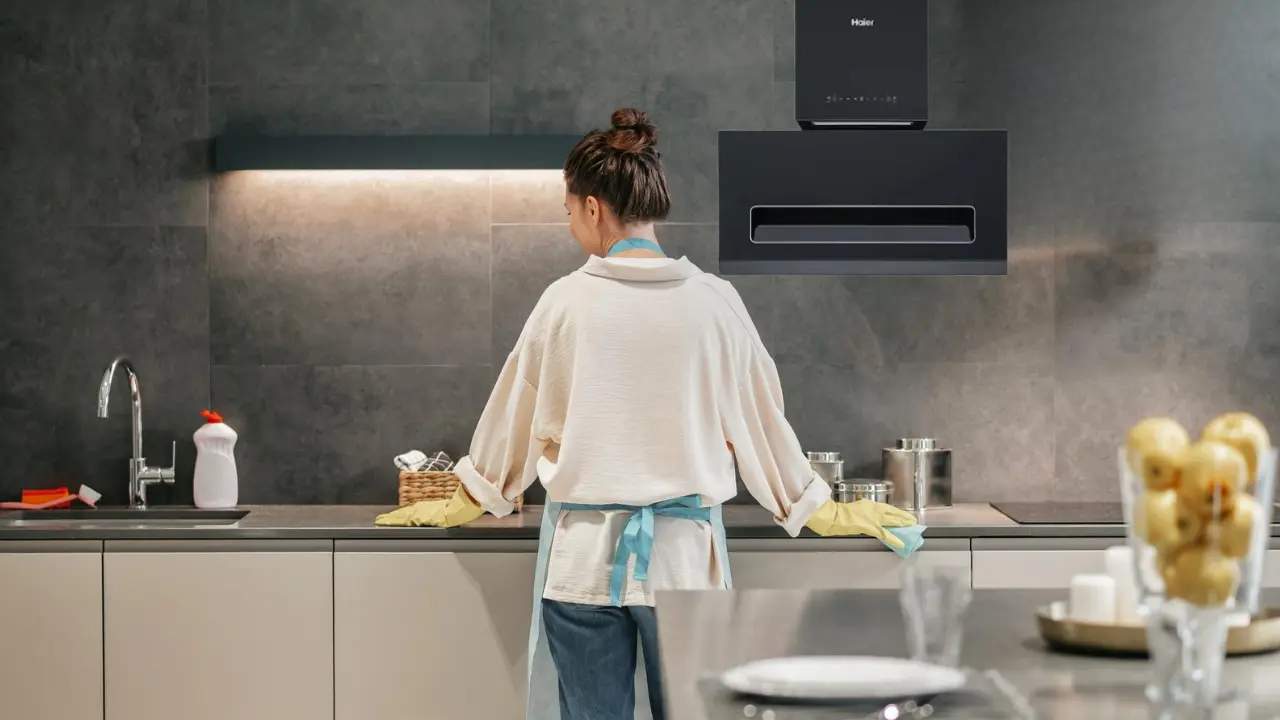
Noticed your kitchen chimney making more noise than usual, or smoke lingering longer after cooking than it used to? That’s usually the first sign the filters need attention. A proper kitchen chimney cleaning guide matters more than people realize, because a clogged chimney doesn’t just smell — it strains the motor and eventually costs you a repair bill.
I’ll admit, I ignored my own chimney filter for almost eight months once, mostly out of laziness. The grease buildup was honestly disgusting by the time I got to it, and the suction had dropped noticeably. Don’t be like me. Here’s exactly how to keep both your chimney and stovetop properly maintained in 2026, without calling a technician every time.
Why Chimney Cleaning Matters More Than You Think
Quick answer: A dirty chimney filter reduces suction efficiency by trapping grease and dust, forcing the motor to work harder, which increases electricity consumption and shortens the chimney’s overall lifespan over time.
Most people notice weak suction and assume the chimney itself is failing. Nine times out of ten, it’s just a clogged filter. Grease builds up gradually, especially with regular Indian cooking involving oil-heavy tempering and frying.
Ignoring this long enough eventually damages the motor, and that repair costs considerably more than routine filter cleaning ever would.
How Often Should You Clean Your Kitchen Chimney?
This depends heavily on how much you cook, and specifically, how much frying or oil-heavy cooking happens daily.
Quick answer: Baffle filter chimneys need cleaning every 15-20 days with regular use, while mesh filter chimneys need cleaning weekly since they trap grease less efficiently and clog faster.
- Heavy daily cooking with frying: clean filters every 15 days
- Moderate cooking, mostly light meals: every 3-4 weeks
- Auto-clean chimneys: still need manual filter check every 2 months, despite the “auto-clean” label
Cleaning Baffle Filters (Most Common Type)
Baffle filters are the curved metal filters found in most modern chimneys, and they’re honestly easier to clean than people expect.
- Remove the filters carefully, usually just a slide-out mechanism
- Soak in hot water mixed with dish soap for 20-30 minutes
- Scrub gently with a soft brush, focusing on grease-heavy corners
- Rinse thoroughly and let air dry before reinstalling
For stubborn grease, adding a tablespoon of baking soda to the soapy water helps break it down faster. I’ve noticed vinegar works too, though it takes a bit longer than baking soda for really thick buildup.
Cleaning Mesh Filters
Mesh filters clog faster since grease gets trapped in the fine mesh weave rather than sliding off like it does on baffle filters. These need more frequent attention.
Quick answer: Mesh filters should be soaked in hot soapy water weekly and scrubbed with an old toothbrush to reach the fine mesh gaps, since grease buildup here reduces airflow faster than in baffle-style filters.
Picture a small business owner in Jaipur running a home tiffin service, frying items daily for lunch orders. Her mesh filter chimney needed cleaning every 4-5 days just to keep up — a good example of how usage intensity changes the maintenance schedule completely.
Deep Cleaning the Chimney Body and Motor Area
Beyond the filters, the outer body and motor housing collect dust and light grease over time too. Wipe the exterior with a damp cloth and mild degreaser monthly. Never spray liquid directly into the motor area — this is where people accidentally cause real damage.
For the motor itself, avoid DIY disassembly unless you know what you’re doing. [link to related guide on kitchen appliance maintenance here] A professional deep clean once a year, usually costing ₹500-1,500, handles the internal parts safely.
Cleaning Your Gas Stove Alongside the Chimney
Since chimney maintenance usually happens alongside stove cleaning, might as well cover both together.
- Remove burner caps and soak in warm soapy water for 15-20 minutes
- Clean burner heads with a toothpick or thin wire to clear blocked gas holes
- Wipe the stovetop surface daily to prevent hardened grease buildup
- Check gas knob areas for grease seepage, a spot people often skip entirely
Has this ever happened to you — a burner flame turning yellow or uneven instead of blue? That’s usually blocked burner holes from dried grease, an easy fix once you know what’s causing it.
Common Chimney Maintenance Mistakes to Avoid
I’ve seen a few recurring mistakes that shorten chimney lifespan unnecessarily.
- Using harsh chemical cleaners that damage the filter’s protective coating over time
- Skipping filter cleaning because the chimney “still seems to be working fine”
- Not checking the exhaust duct for blockages, especially in older installations
- Running the chimney on low speed for heavy frying, when it should be on high
FAQ: Kitchen Chimney Cleaning Guide
Q: How often should chimney filters be cleaned? Baffle filters every 15-20 days with regular cooking, mesh filters weekly, since they clog faster due to their finer weave.
Q: Can I use a dishwasher to clean chimney filters? Some baffle filters are dishwasher-safe, but check the manufacturer’s manual first since not all filter coatings handle dishwasher detergent well.
Q: Why does my chimney make a rattling noise? Usually loose filter panels or grease buildup affecting the fan blades, both fixable with a proper cleaning session.
Q: Is auto-clean technology worth the extra cost? It reduces manual cleaning frequency but doesn’t eliminate it entirely, so factor that into whether the added cost makes sense for your cooking habits.
Q: What’s the best homemade solution for grease removal? Hot water with dish soap and a bit of baking soda handles most grease buildup effectively without needing commercial degreasers.
Q: How do I know if my chimney motor needs professional repair? If suction stays weak even after cleaning filters thoroughly, or if you notice unusual burning smells, get a technician to check the motor.
Wrapping Up
A proper kitchen chimney cleaning routine, paired with regular stove maintenance, keeps both running efficiently and saves you from an unexpected repair bill down the line. Baffle filters every couple weeks, mesh filters weekly, and a yearly professional deep clean covers most of what your kitchen setup needs.
Set a reminder on your phone for filter cleaning this week if it’s been a while. Trust me, once you fall behind like I did, catching up feels like a much bigger chore than it needed to be.