Creating a Home That Feels Comfortable From Morning to Night
A home doesn’t become comfortable simply because the furniture is expensive or the walls have been painted in the latest colour. Comfort…
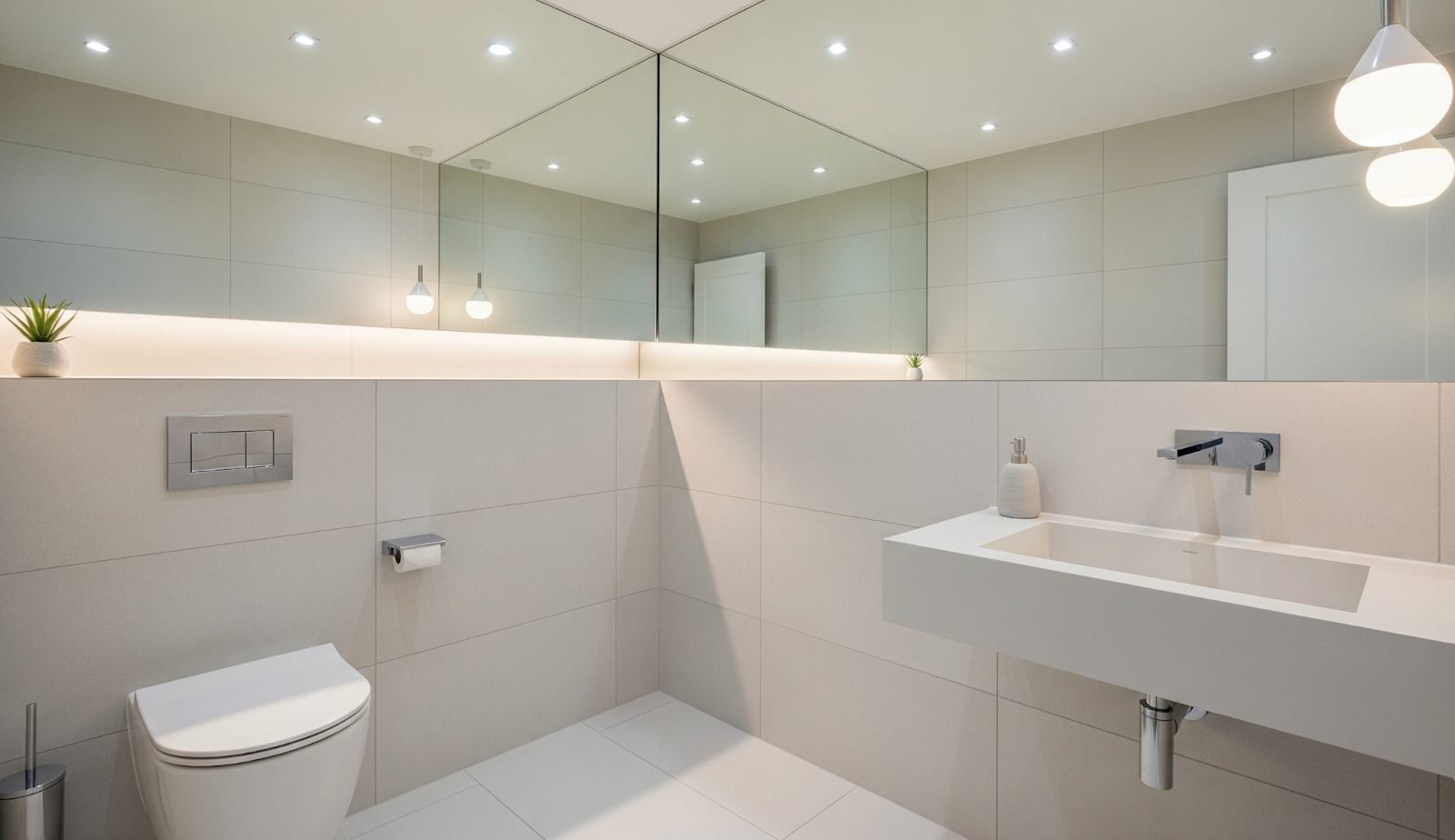
A home doesn’t become comfortable simply because the furniture is expensive or the walls have been painted in the latest colour. Comfort comes from the little things working together. The morning light landing in the right place. A kitchen counter with enough room to actually prepare dinner. A bedroom that feels quiet at the end of a long day. Even a bathroom can make a difference when it’s designed with thought rather than squeezed into whatever space was left.
Good residential design is really about paying attention to how people live. Every household has its own routines, habits and odd little preferences. Some people need a peaceful corner for reading. Others want a large gathering space where everyone can talk over one another. The best homes leave room for both.
Begin With the Way You Live
Before choosing finishes, furniture or decorative details, consider what happens inside the home every day.
Where do people usually enter? Where do coats, shoes and bags end up? Does everyone gather around the kitchen island, or does the living room become the main social hub? Are mornings rushed, with several people getting ready at once?
These aren’t glamorous questions, but they’re useful ones.
A design that responds to real routines tends to remain practical long after the initial excitement of a renovation has disappeared. Storage should be where things are actually used. Walkways should feel natural. Furniture shouldn’t make people squeeze sideways just to get across a room.
It sounds obvious. Yet these details are surprisingly easy to overlook.
Bedrooms Deserve More Attention
Bedrooms are often treated as secondary spaces because guests don’t spend much time there. That misses the point. You spend a significant portion of your life in your bedroom, so comfort should be a priority.
Well-planned primary suites & bedrooms can offer more than a place to sleep. They can provide a quiet retreat from the busier parts of the house. Think about natural light, privacy, bedside storage, wardrobe space and how the room feels at night.
A bedroom doesn’t need to be enormous to feel luxurious. A comfortable mattress, useful lighting, soft textiles and sensible storage can accomplish a lot. If space allows, a small reading chair or bench can create a separate little moment within the room.
And don’t underestimate darkness and sound. Blackout curtains, appropriate window treatments and thoughtful insulation can make a noticeable difference to sleep and everyday comfort.
Bathrooms Should Feel Effortless
Bathrooms are among the most frequently used rooms in any house, but they’re sometimes designed almost as an afterthought.
That’s a shame because a well-planned bathroom can make daily routines smoother. Good ventilation helps manage moisture. Adequate lighting makes grooming easier. Storage keeps counters clear. Properly positioned fixtures improve movement through the room.
When planning powder rooms & bath rooms, consider who will use each space and when. A guest powder room may benefit from a compact layout and a little personality, while a family bathroom needs durable materials, generous storage and easy cleaning.
The smallest bathroom can still have character. Interesting tile, a distinctive mirror or carefully chosen hardware can add personality without taking over the room.
The Kitchen Is Where Design Gets Tested
Few rooms experience as much activity as the kitchen. Cooking, homework, quick breakfasts, conversations, grocery unloading — somehow it all happens there.
That’s why kitchens need to balance appearance with practicality. Counter space matters. So does the relationship between the refrigerator, sink and cooking area. Frequently used items should be accessible without requiring unnecessary movement.
If several people cook together, a little extra space can prevent the familiar dance of “sorry, coming through.” An island can provide preparation space and casual seating, but it shouldn’t be so large that it blocks circulation.
Storage also deserves careful planning. Deep drawers can be easier to access than low cupboards, while tall cabinets can make use of otherwise wasted vertical space.
Think About Light Throughout the Day
Lighting isn’t just a finishing touch. It influences how a room feels and functions.
Natural light should be considered from the beginning of a project. Window placement, orientation and shading can affect everything from comfort to energy use.
Artificial lighting needs layers. General lighting provides overall visibility, while task lighting helps with activities such as cooking, reading or grooming. Accent lighting can add warmth and highlight artwork, architectural details or interesting textures.
A room with only one bright ceiling light can feel strangely flat at night. Several softer sources usually create a more relaxed atmosphere.
Make Storage Part of the Architecture
Clutter isn’t necessarily a sign of bad housekeeping. Sometimes there simply isn’t enough practical storage.
Instead of adding storage as an afterthought, incorporate it into the design. Built-in wardrobes, recessed shelves, under-stair cupboards and window seats with hidden compartments can all help.
Entryways deserve special attention because they’re natural clutter magnets. A combination of hooks, drawers, shelving and a bench can keep daily essentials organised without making the entrance feel overly formal.
In bedrooms, storage should match the way clothes and personal belongings are actually used. In kitchens, drawers and cabinets should be organised around cooking habits. Good storage isn’t about hiding everything. It’s about making everyday objects easier to manage.
Don’t Forget the Small Spaces
Some of the most memorable parts of a home are not necessarily the largest rooms.
A narrow hallway can become a gallery for family photographs. A small landing can hold a reading chair. A compact powder room can have a bold wall treatment. A quiet corner beside a window might become someone’s favourite place to drink coffee.
These spaces are opportunities.
Instead of asking how much furniture can fit, ask what experience the space could provide. Sometimes one carefully chosen element does more than five decorative objects.
Choose Materials for Real Life
Beautiful materials are appealing, but they also need to survive daily use.
Consider maintenance before making a decision. A delicate surface may look wonderful in a showroom but become frustrating in a busy household. Easy-to-clean finishes can be especially valuable in kitchens and bathrooms.
This doesn’t mean choosing only practical, plain materials. Texture, pattern and colour can still bring plenty of personality.
The sweet spot is where beauty and usefulness meet.
Design for Today, But Leave Room for Tomorrow
Homes change. Children grow. Work arrangements shift. Families get larger, smaller or simply different.
A flexible design can adapt without requiring another major renovation every few years. Movable furniture, adaptable rooms, generous storage and durable finishes provide useful flexibility.
A spare bedroom might become a home office today and a guest room again later. A large island can serve as a breakfast counter, workspace and gathering point.
Good design has some elasticity to it.
Let the Home Tell Your Story
There is no universal formula for a perfect home. What feels peaceful to one person might feel too quiet to another. What seems beautifully minimal to one family might feel empty to someone else.
That’s perfectly fine.
The most successful interiors usually contain traces of real life: books that are actually read, photographs with slightly mismatched frames, furniture that has been passed down, and objects picked up simply because they mean something.
A home shouldn’t look like nobody lives there.
Ultimately, thoughtful design is less about impressing visitors and more about supporting the people who wake up there every morning. When rooms are planned around comfort, movement, storage, light and genuine habits, beauty tends to follow naturally.
And years from now, when trends have changed and paint colours have been forgotten, it’s those everyday details that will still make the house feel like home.