
Metal Roofing Pros and Cons: An Honest Breakdown
Thinking about swapping your old asbestos or concrete roof for something metal, but not quite sure if it’s worth the switch? Metal…
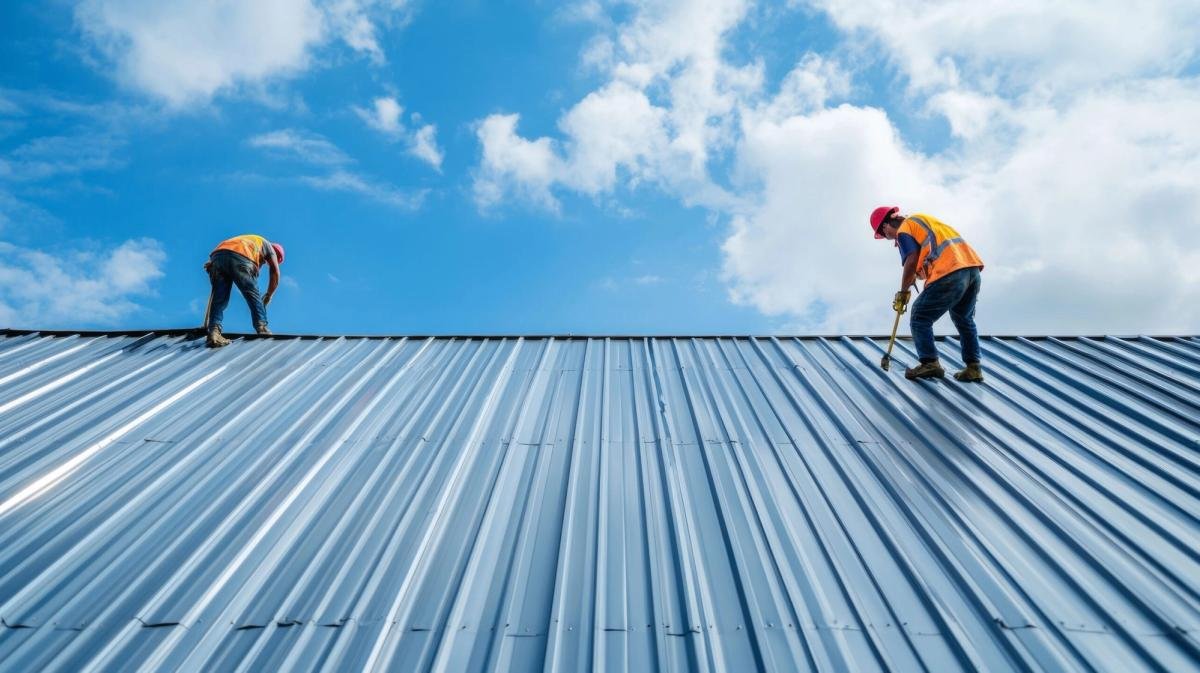
Thinking about swapping your old asbestos or concrete roof for something metal, but not quite sure if it’s worth the switch? Metal roofing pros and cons come up a lot in renovation conversations these days, especially for farmhouses, warehouses, and increasingly, regular homes too.
I helped a relative pick a metal roof for their farmhouse extension last year, and honestly, the decision came down to a handful of trade-offs that don’t get discussed enough online. Heat, noise, and long-term cost all matter more than the shiny marketing photos suggest. Let’s get into the real picture.
Durability: Where Metal Roofing Genuinely Wins
Quick answer: Metal roofs typically last 40-70 years depending on material quality, significantly outlasting asphalt shingles or concrete tiles, while also resisting cracking, pest damage, and rot far better than traditional roofing materials.
This is genuinely the strongest argument for metal roofing. Galvanized steel or aluminum sheets don’t crack under temperature stress the way concrete tiles sometimes do, and they’re immune to termite or rot issues entirely, unlike wood-based roofing options.
- Lifespan: 40-70 years for quality installations
- Resists cracking from temperature swings far better than concrete or asbestos
- No pest vulnerability, unlike wood shingles or certain composite materials
I’ve noticed people underestimate just how much long-term maintenance savings this durability translates into. Fewer repairs over decades adds up considerably compared to materials needing periodic patching.
Cost: Higher Upfront, Debatable Long-Term Value
Metal roofing costs more initially than most conventional options, and this is where the pros and cons genuinely start to compete with each other.
Quick answer: Metal roofing installation typically costs ₹150-350 per square foot in India depending on material and gauge thickness, considerably higher upfront than asphalt or concrete tile options, though lower long-term maintenance can offset this over 15-20 years.
Basic galvanized corrugated sheets sit at the lower end, while premium standing-seam or color-coated steel roofing runs considerably higher. Whether this upfront cost makes sense depends heavily on how long you plan to stay in the property.
Heat Management: A Genuine Concern in Indian Climates
This is where I’ll push back a little against blanket praise for metal roofing. Bare metal roofing without proper insulation absorbs and radiates heat aggressively, a real problem across most of India’s climate zones.
- Uninsulated metal roofs can make top-floor rooms noticeably hotter during peak summer
- Reflective or coated metal options reduce heat absorption significantly compared to plain galvanized sheets
- Proper insulation layer underneath, though it adds cost, makes a substantial difference in indoor comfort
Picture a small business owner in Jaipur who installed an uninsulated metal roof over a workshop extension, only to find the space nearly unusable by early afternoon during summer months. Adding a polyurethane insulation layer afterward solved it, but that’s an avoidable extra cost if planned for upfront.
Noise During Rain: Worth Considering Seriously
Quick answer: Metal roofs amplify rainfall noise considerably more than concrete or asphalt roofing unless a proper insulation or underlayment layer is installed, which can make heavy monsoon rain noticeably louder indoors.
This surprises a lot of first-time metal roof owners. During heavy monsoon downpours, an uninsulated metal roof can genuinely feel like sitting inside a drum. A foam or fiberglass underlayment significantly dampens this, so factor that cost into your budget rather than treating it as optional.
Weight and Structural Advantages
Metal roofing weighs considerably less than concrete or clay tile options, which actually opens up some structural advantages worth considering.
- Reduces load on existing structural supports, useful for extensions or older buildings
- Easier and faster installation compared to heavier traditional materials
- Better suited for larger spans without requiring extensive additional support beams
This lightweight nature makes metal roofing particularly popular for warehouse extensions, farmhouses, and prefab structures where speed and structural simplicity matter. [link to related guide on choosing roofing materials for extensions here]
Rust and Corrosion: Manageable, Not Eliminated
Modern galvanized or color-coated metal roofing resists corrosion well, but it’s not entirely immune, especially in coastal areas with high salt exposure.
Quality coating and proper drainage design prevent most corrosion issues for 20-30 years, though coastal properties should specifically ask about marine-grade coating options rather than standard galvanized sheets. [link to related guide on roofing maintenance in coastal climates here]
Aesthetic Considerations and Resale Value
Metal roofing has shifted from a purely industrial look to genuinely stylish options, including standing-seam designs and various color-coated finishes that suit residential aesthetics well now.
That said, resale value perception still varies by region. Some buyers see metal roofing as premium and modern; others, particularly in areas where it’s less common residentially, might view it with unfamiliarity. Worth considering your specific local market before assuming it’s a universal value-add.
FAQ: Metal Roofing Pros and Cons
Q: Is metal roofing worth the higher upfront cost? For long-term homeowners, generally yes, given the extended lifespan and lower maintenance costs, though short-term owners might not recoup the cost difference.
Q: Does metal roofing make homes hotter? Uninsulated metal roofing can, yes, though proper insulation and reflective coatings largely solve this issue for most climate conditions.
Q: How loud is rain on a metal roof really? Noticeably louder than concrete or asphalt without proper underlayment, though insulation significantly reduces this to a manageable level.
Q: How long does metal roofing typically last? Generally 40-70 years depending on material quality and maintenance, substantially longer than most traditional roofing options.
Q: Is metal roofing suitable for coastal homes? Yes, but marine-grade coatings are recommended over standard galvanized sheets to properly resist salt-induced corrosion.
Q: Does metal roofing affect home insurance or resale value? It can positively affect insurance in some cases due to fire resistance, though resale perception varies by region and local buyer familiarity.
Wrapping Up
Metal roofing pros and cons really come down to a trade-off between excellent durability and higher upfront investment, balanced against real concerns around heat and noise that need proper insulation to manage well. For long-term homeowners in most Indian climates, the durability case is strong, provided you budget for insulation and quality coating upfront.
If you’re seriously considering this switch, get quotes that specifically include insulation and underlayment costs, not just the bare metal sheet pricing. That’s where budgets often go wrong after installation’s already underway.