What Your Water Is Telling You: A Practical Guide to Better Water Quality at Home
Water is one of those things we rarely think about until something seems off. A strange taste in your morning coffee, white…
Water is one of those things we rarely think about until something seems off. A strange taste in your morning coffee, white spots on the shower door, dry skin after a bath, or an odd smell from the kitchen tap can all make you wonder what’s really coming through your pipes.
The truth is, clear water isn’t always the same thing as high-quality water. Depending on where you live and whether your home relies on municipal or well water, it may contain minerals, sediment, chlorine, metals, or other unwanted substances. That doesn’t automatically mean your water is unsafe. But it does mean testing is worth taking seriously.
And you don’t necessarily have to make a complicated project out of it. A free in-home water test can be a practical first step toward understanding what’s actually happening in your home rather than guessing based on taste or appearance.
Why Testing Your Water Matters
Many water problems are subtle. You may not notice them at all until they begin affecting plumbing fixtures, appliances, or your everyday routine.
Hard water is a common example. Calcium and magnesium can leave scale inside pipes and appliances, while soap may struggle to lather properly. Over time, mineral buildup can reduce efficiency and create more maintenance headaches.
Other concerns are less visible. Depending on the local source, water may contain chlorine, sediment, iron, lead, or other contaminants. Some can affect taste and odor, while others require more careful evaluation.
Testing gives you actual information. Instead of buying a filtration system because a neighbor recommended one, you can determine which treatment approach makes sense for your particular water.
That distinction matters. Water treatment isn’t one-size-fits-all.
What a Home Water Test Can Tell You
A professional water assessment may look at several characteristics, depending on your location and water source.
Common measurements can include:
- Hardness levels
- pH
- Chlorine
- Iron and manganese
- Sediment
- Total dissolved solids
- Certain metals or other contaminants
- Water odor and taste concerns
For households using private wells, testing can be especially important because well water isn’t treated and monitored in exactly the same way as public municipal supplies.
It’s also useful to remember that a basic test and a comprehensive laboratory analysis aren’t necessarily the same thing. A basic assessment can identify common treatment issues, while laboratory testing may be appropriate when there are specific health or contamination concerns.
In other words, the right test depends on the question you’re trying to answer.
Whole-Home Filtration vs. Point-of-Use Treatment
Once you know what’s in your water, the next question is where treatment should happen.
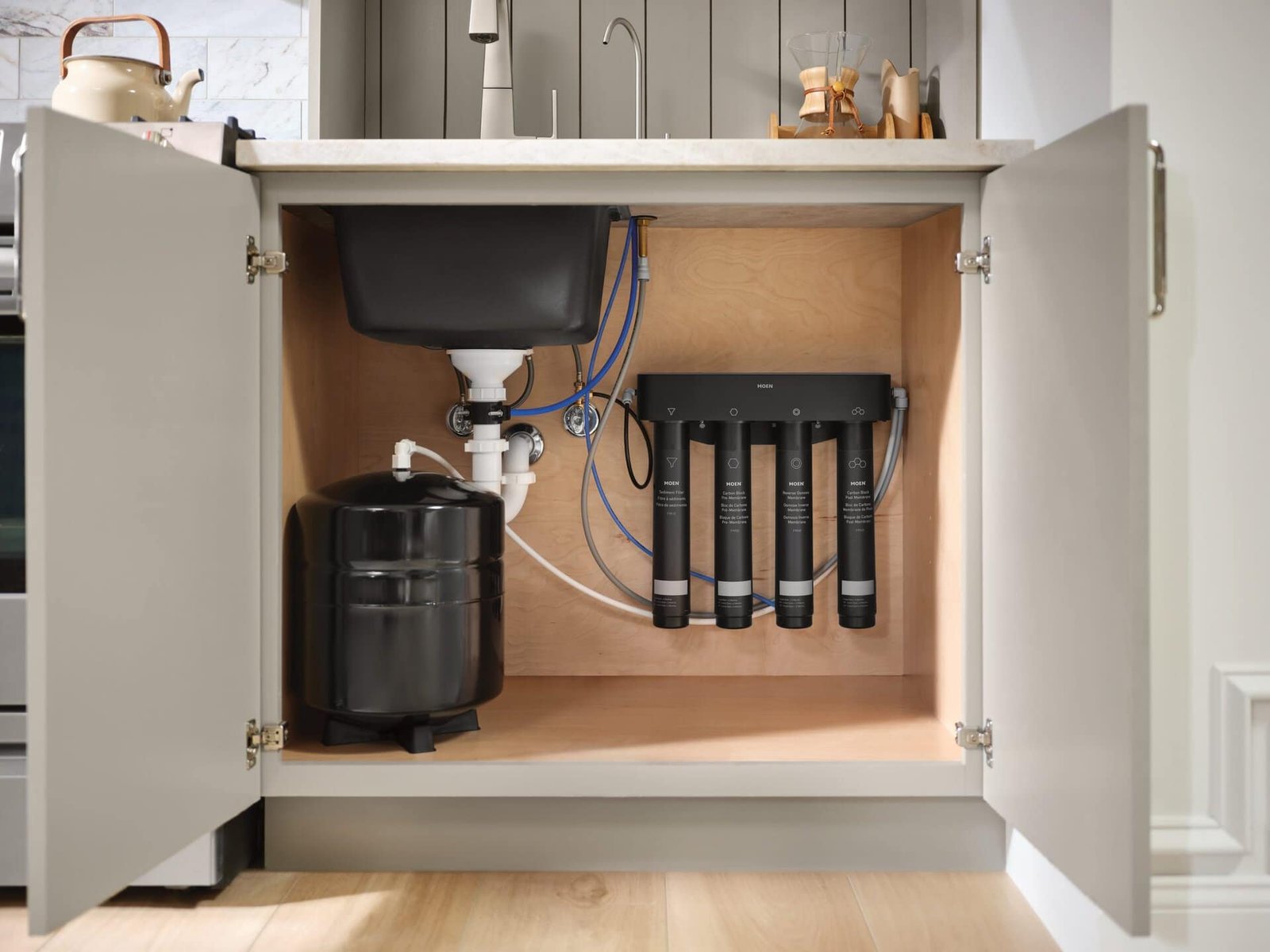
Point-of-use systems, such as under-sink filters, focus on water used for drinking and cooking. They can be a sensible option when your main concern is what you consume.
But what if the water problem affects the entire house?
That’s where whole-home ro systems and other whole-house treatment approaches can become relevant. A whole-home system treats water before it reaches multiple fixtures, meaning the water coming through showers, sinks, washing machines, and other outlets can receive treatment.
Still, reverse osmosis isn’t automatically the best answer for every household. RO systems are designed for specific filtration needs and can remove many dissolved substances, but they also produce wastewater and typically require appropriate pre-treatment and maintenance.
Sometimes a carbon filter, softener, sediment filter, iron filter, or a combination of technologies may make more sense.
The goal shouldn’t be to install the most complicated system available. It should be to install the right system for the actual problem.
Signs Your Water May Need Attention
You don’t need to wait for a serious issue before checking your water.
Some everyday clues deserve a closer look:
White scale: Chalky deposits around faucets, showerheads, and appliances often point toward hard water.
Unusual smell: A chlorine-like odor may come from disinfectants, while rotten-egg odors can sometimes be associated with hydrogen sulfide in certain water sources.
Staining: Orange or brown marks around sinks and toilets can be related to iron or manganese.
Cloudiness: Temporary cloudiness may have a harmless cause, but persistent changes should be investigated.
Strange taste: A metallic, salty, bitter, or chemical taste is worth discussing with a qualified water professional.
None of these signs alone tells you exactly what’s wrong. They’re clues, not diagnoses. Testing is what turns those clues into useful information.
Protecting Appliances Is Part of the Picture
Water quality isn’t only about drinking water.
Your washing machine, dishwasher, water heater, coffee maker, and plumbing system interact with your water every day. Hard water can contribute to scale buildup, while sediment and certain minerals can create additional wear or maintenance issues.
Think about your water heater. It spends hours heating the same water that flows through your home. If that water carries substantial mineral content, deposits can accumulate inside the tank over time.
Likewise, fixtures can lose efficiency when mineral deposits restrict small openings. A showerhead that once had strong pressure may gradually feel weaker, even though the plumbing itself hasn’t changed.
Good water treatment can therefore be about comfort and maintenance as much as taste.
Choosing a Treatment System Without Overspending
The water-treatment market can get confusing quickly. There are softeners, carbon filters, RO units, UV systems, sediment filters, iron filters, conditioners, and combinations that sound like they belong in a science laboratory.
Before purchasing anything, ask a few simple questions:
- What problem am I actually trying to solve?
- Has my water been tested?
- Do I need drinking-water treatment or whole-house treatment?
- What maintenance will the system require?
- How often do filters or membranes need replacement?
- Is the system appropriately sized for my household?
Be cautious about anyone who recommends a system before understanding your water. A good recommendation should connect the treatment technology to a specific water-quality issue.
Price matters, but so does long-term practicality. A cheaper system that requires frequent replacement may cost more over several years than a properly selected system with predictable maintenance.
Better Water Starts With Better Information
There’s something reassuring about knowing what’s actually in your home’s water. Instead of wondering why your faucets stain, why your skin feels dry, or why your coffee tastes different, you can start working with facts.
The bigger lesson is simple: water quality deserves attention before a small nuisance turns into an expensive household problem.
Testing is the starting point. From there, the right solution might be surprisingly simple—or it might involve several treatment stages. Either way, the smartest approach is to diagnose first and choose technology second.
Your home’s water should work for you, not quietly create problems in the background. A little information today can make your plumbing, appliances, and everyday routines easier to manage tomorrow.